


A Simple Guide to Choosing Between Crowns and Bridges
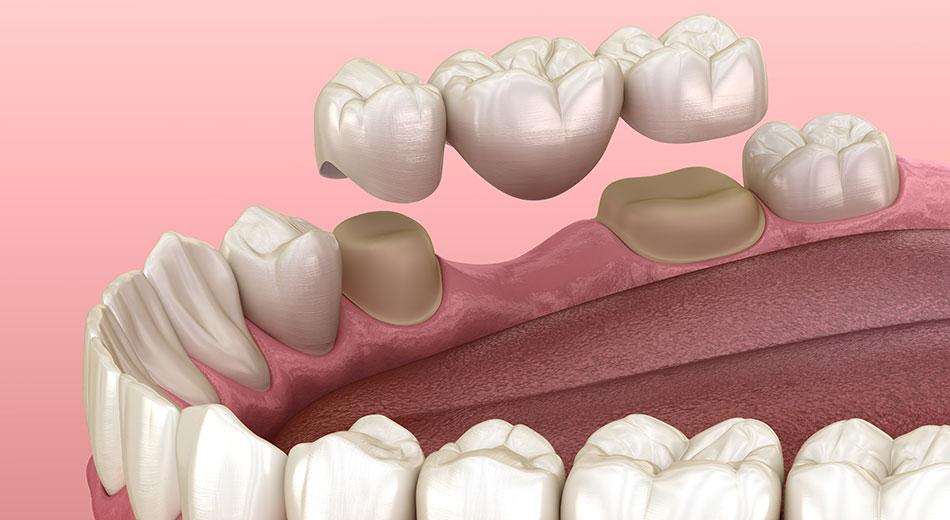
When it comes to dental restorations, two of the most common treatments that people may require are crowns and bridges. Both are effective solutions for restoring damaged or missing teeth, but choosing the right one depends on various factors. This simple guide will help you understand the differences between crowns and bridges, and how to choose the best option for your oral health needs.
What Are Crowns?
A crown is a tooth-shaped cap that is placed over a damaged or weakened tooth. Crowns are typically used when a tooth is extensively decayed, cracked, or broken and cannot be restored with a simple filling. The crown covers the entire tooth, providing strength and a natural appearance, restoring the tooth’s function. Crowns are made from various materials, including porcelain, metal, or a combination of both, depending on the location of the tooth and aesthetic needs.
Reasons for Choosing a Crown:
-
Tooth Protection: Crowns are ideal when a tooth is too damaged to support a filling. They help protect the tooth from further decay and breakage.
-
Aesthetic Improvement: If the tooth is visible, such as in the front of your mouth, a porcelain crown can restore its natural look.
-
Post-Root Canal Treatment: After a root canal procedure, a crown is often necessary to protect the treated tooth from damage.
-
Restoring Function: Crowns can restore a tooth’s strength and function, allowing you to chew, bite, and speak comfortably.
What Are Bridges?
A dental bridge is a restoration used to replace one or more missing teeth. It consists of one or more artificial teeth (called pontics) anchored to the adjacent natural teeth, which are known as abutment teeth. The pontics fill the gap where the teeth are missing, while the abutments support the bridge. Bridges can be made from porcelain, metal, or a combination of both, and are designed to blend in with the surrounding natural teeth.
Reasons for Choosing a Bridge:
-
Replacing Missing Teeth: Bridges are ideal for replacing one or more missing teeth, providing both function and aesthetics.
-
Preserving Adjacent Teeth: Bridges can restore the gap without the need for multiple implants, preserving the adjacent natural teeth.
-
Improved Speech and Function: A bridge restores your ability to speak and chew effectively, which may be compromised due to missing teeth.
-
Preventing Teeth from Shifting: A missing tooth can cause the surrounding teeth to shift and misalign. A bridge fills the gap and prevents this from happening.
Key Differences Between Crowns and Bridges
While crowns and bridges may seem similar, they serve different purposes and are used in different scenarios. Here are some key differences:
-
Purpose:
-
A crown is used to restore a damaged or decayed tooth by covering it entirely.
-
A bridge is used to replace one or more missing teeth by connecting artificial teeth to adjacent natural teeth.
-
-
Procedure:
-
Crowns require the reshaping of the damaged tooth to ensure the cap fits securely over it. This typically involves two visits to the Dentist Corio.
-
Bridges require the preparation of adjacent teeth (abutments) to support the artificial teeth. The procedure also usually takes two visits for impressions and fitting.
-
-
Materials:
-
Crowns can be made from porcelain, ceramic, metal, or a combination. Porcelain crowns are often used for front teeth because they mimic the natural appearance of teeth.
-
Bridges are made from similar materials, but they need to be strong enough to replace missing teeth. They often use porcelain for aesthetics and metal for strength.
-
-
Cost:
-
Crowns tend to be more affordable than bridges, especially if you only need a single restoration.
-
Bridges may be more expensive since they replace multiple teeth, but they can also save on the cost of individual implants.
-
Factors to Consider When Choosing Between a Crown and a Bridge
Deciding whether you need a crown or a bridge involves evaluating several factors:
-
The Extent of Damage or Missing Teeth
-
If you have a damaged tooth that needs protection, a crown may be the best option.
-
If you have one or more missing teeth, a bridge may be necessary to restore your smile and function.
-
-
Condition of Adjacent Teeth
-
If the adjacent teeth are healthy and strong, a crown may be sufficient to restore the tooth.
-
If the adjacent teeth are also damaged or need some support, a bridge can help restore multiple teeth at once.
-
-
Long-Term Oral Health
-
A crown is ideal for long-term preservation of a tooth that is at risk of further decay or damage.
-
A bridge is best when you need to replace missing teeth to maintain proper alignment and avoid shifting of remaining teeth.
-
-
Aesthetic Considerations
-
If you need a restoration for a visible tooth, you may prefer a porcelain crown for its natural appearance.
-
Similarly, a porcelain bridge can be designed to blend seamlessly with your natural teeth, offering a comfortable and aesthetic solution.
-
-
Budget and Insurance Coverage
-
Crowns are often more affordable, but the cost will vary depending on the material used and the complexity of the procedure.
-
Bridges, due to their more involved procedure, may cost more, but they offer the advantage of replacing multiple teeth at once.
-
-
Longevity
-
Crowns typically last 10 to 15 years or longer with proper care.
-
Bridges can last 5 to 10 years but may need to be replaced sooner if the abutment teeth become weakened or decayed over time.
-
How to Choose the Right Option for You
Choosing between crowns and bridges ultimately comes down to your specific dental needs. It’s essential to consult with a qualified Corio dentist who can assess the condition of your teeth and recommend the best course of action. Your dentist will consider factors like the location of the issue, the condition of the surrounding teeth, your budget, and your aesthetic preferences to guide you in making the right choice.
Conclusion
Both crowns and bridges are excellent restorative dental treatments, but the decision to choose one over the other depends on the specific dental issue you are facing. Crowns are best for protecting damaged or decayed teeth, while bridges are ideal for replacing missing teeth. Regardless of which option you choose, preventive care and regular visits to your Dentist Corio will help you maintain your restored smile for years to come. If you’re unsure whether a crown or bridge is the right option for you, consult with your dentist to ensure the best treatment for your dental health needs.

 English
 Arabic
 French
 Spanish
 Portuguese
 Deutsch
 Turkish
 Dutch
Dutch
 Italiano
 Romaian
 Portuguese (Brazil)
 Greek
Greek