


Maximize Your Kitchen Flow: IKEA Planning Strategies That Work
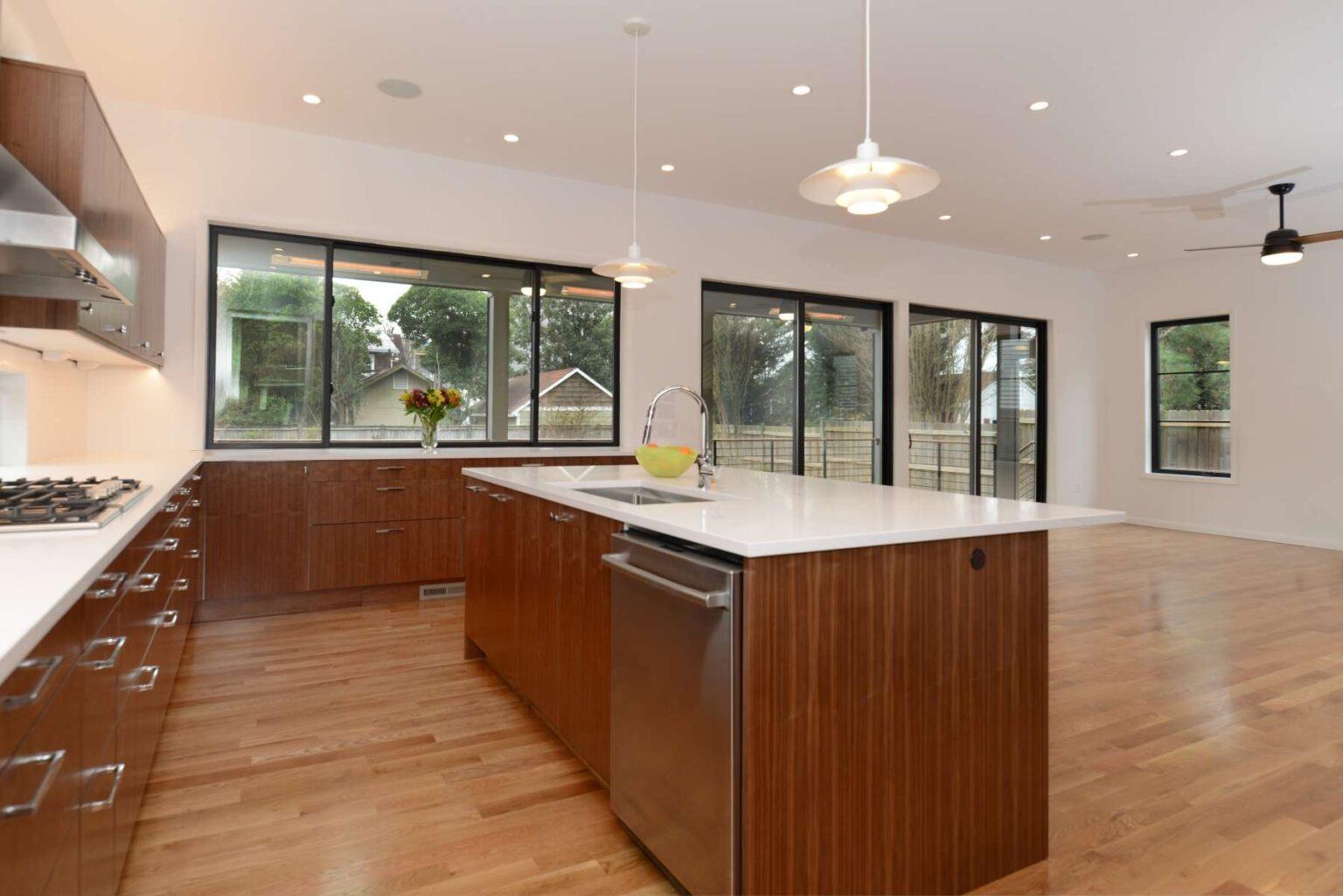
In the world of kitchen design, "flow" isn't just a buzzword—it’s the difference between a choreographed dance and a bumper-car rally. Because IKEA kitchens are modular, you have the unique power to dictate exactly how your space moves.
In 2026, the trend has shifted from purely open-concept layouts to "Zoned Living." Here is how to use IKEA’s SEKTION system to maximize your kitchen’s efficiency and flow.
1. The "Zone" Defense Strategy
The traditional "Work Triangle" (IKEA Kitchen Planning) is still the gold standard, but modern kitchens handle more than just cooking. To maximize flow, divide your IKEA plan into five distinct zones:
-
The Consumables Zone: Your refrigerator and pantry (using TALLAVRE or MAXIMERA high cabinets). Place this near the kitchen entrance for easy grocery unloading.
-
The Non-Consumables Zone: Storage for plates, cutlery, and glasses. Ideally, this should be right next to the dishwasher to minimize steps during cleanup.
-
The Cleaning Zone: The sink, dishwasher, and waste sorting. Use the HÅLLBAR bins to keep recycling tucked away but accessible.
-
The Preparation Zone: Your main stretch of countertop (at least 36 inches). Keep your knives and mixing bowls in drawers directly beneath this surface.
-
The Cooking Zone: The stovetop, oven, and microwave. Keep pots, pans, and spices within arm's reach here.
2. Leverage the "Drawer-First" Philosophy
One of the biggest flow-killers is "Cabinet Crouching"—the act of kneeling to find a Tupperware lid at the back of a dark shelf.
-
Go Full Extension: Opt for MAXIMERA drawers for almost all base cabinets. They pull out 100%, bringing the contents to you.
-
Tiered Storage: Use "drawers within drawers." A deep drawer can hold large pots, while a hidden internal drawer above it holds the lids.
-
Corner Flow: Don't let corners become "dead zones." Use the UTRUSTA pull-out corner protein or a carousel to ensure items in the back don't disappear forever.
3. Creating "Secondary Traffic" Paths
Flow isn't just about the chef; it’s about the people trying to get a glass of water while the chef is working.
-
The Coffee/Beverage Station: Set up a dedicated area with your coffee maker and mugs away from the main cooking triangle. This prevents "traffic jams" during busy mornings.
-
Island Overhangs: If you’re adding an island, ensure there is at least 42 inches of clearance between the island and the perimeter cabinets. If two people cook together, aim for 48 inches.
-
The Landing Strip: Ensure there is a 15-inch "landing" space next to the microwave and oven so you aren't walking across the room with a hot plate.
4. Lighting as a Flow Guide
Lighting does more than just illuminate; it directs the eye and the workflow. IKEA’s MITTLED and SKYDRAG series can be programmed via the IKEA Home Smart app to support different "flows":
| Mode | Lighting Focus | Flow Goal |
| Prep Mode | Bright under-cabinet LEDs | High visibility for chopping and measuring. |
| Social Mode | Dimmed pendant & plinth lights | Guides guests toward the island/seating, away from the stove. |
| Night Mode | Low-level toe-kick lighting | Safe passage to the fridge without waking the house. |
5. The "Vertical Flow" Hack
Don't forget the space above your head. In smaller kitchens, taking cabinets all the way to the ceiling creates a seamless visual flow and provides "seasonal storage" for items you only use once a year (like that holiday turkey platter).
Expert Tip: Use glass-front UPPLÖV or AXSTAD doors for upper cabinets to make a narrow kitchen feel wider and more "airy," improving the psychological flow of the room.

 English
 Arabic
 French
 Spanish
 Portuguese
 Turkish
 Dutch
Dutch
 Italiano
 Russian
 Romaian
 Portuguese (Brazil)
 Greek
Greek