


ShiJingTools: Advantages of the Iron Base Plate Manual Tile Cutter in Practice
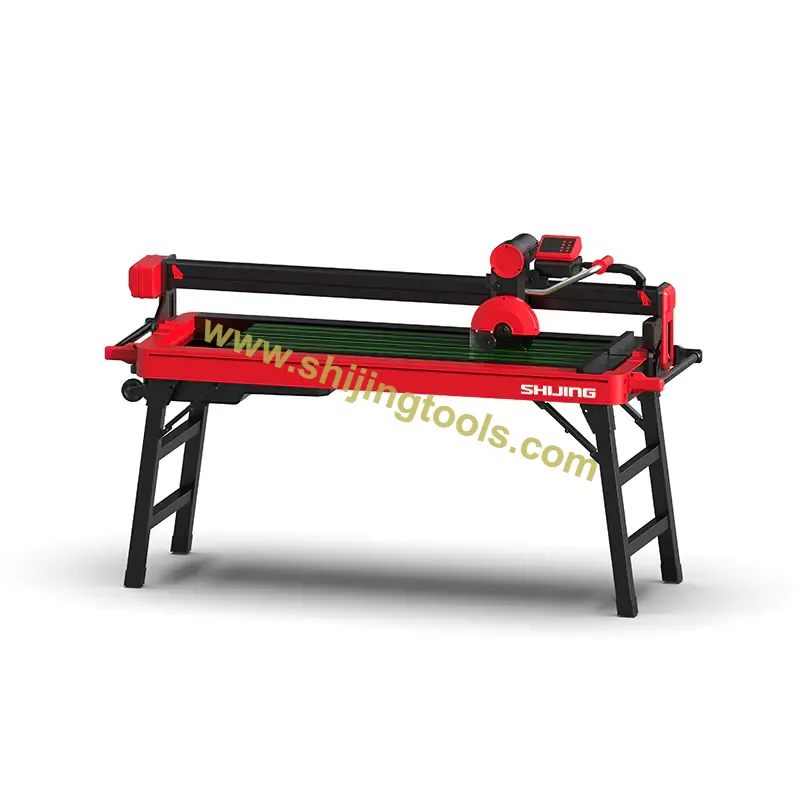
The modern tiling professional faces an abundance of cutting equipment options, each promising efficiency and accuracy. Among these choices, the electric wet saw commands significant attention with its continuous cutting action and ability to handle dense materials. Yet, experienced installers recognize that power tools do not universally replace manual alternatives in every workplace scenario. The decision between an electric saw and a manual cutter often determines workflow efficiency, material utilization, and overall project profitability. ShiJingTools manufactures equipment that addresses this specific decision point. The Iron Base Plate Manual Tile Cutter from this manufacturer presents a compelling case for certain cutting operations. Does your current tool arsenal include this strategic alternative for situations where power saws introduce unnecessary complexity?
The portable nature of manual tile cutters provides immediate advantages on multi-story job sites. Electric saws require water supply, electrical connections, and substantial setup time. These requirements become logistical burdens when working in finished spaces, upper floors, or locations with limited service access. The manual cutter operates independently of external utilities, enabling immediate deployment upon arrival. ShiJingtools recognizes this operational reality, engineering tools that transition seamlessly between work areas without infrastructure dependencies.
Precision straight-line cutting represents the manual cutter's primary strength. The scoring and snapping mechanism produces exceptionally clean edges on ceramic and porcelain tiles, often matching or exceeding the cut quality of wet saws. This performance proves particularly valuable when working with glazed surfaces, where water exposure sometimes affects the finished appearance. The controlled fracture line follows the scored path precisely, eliminating the chipping that occasionally occurs with power equipment. Skilled operators achieve consistent results quickly, maintaining production speed without sacrificing quality.
The financial considerations of equipment ownership influence professional tool selection significantly. Electric wet saws represent substantial capital investments, with ongoing costs for blade replacement, pump maintenance, and water management. Manual cutters require minimal operational expenses beyond periodic wheel changes. ShiJingtools offers a cost-effective entry point for professionals who do not perform sufficient wet cutting to justify power saw ownership. This economic efficiency extends to job costing, where equipment depreciation and maintenance overhead directly affect bid competitiveness.
Dust creation represents another crucial distinction between the two cutting methods. Wet saws generate slurry that requires containment and disposal, creating housekeeping challenges on finished projects. Manual cutting produces dry dust, which can be managed through simple ventilation or vacuum attachment. This difference becomes particularly significant in occupied spaces such as hospitals, schools, or residential renovations where water management complicates the work environment. The dry cutting process also eliminates the drying time required before grouting, accelerating project completion.
The learning curve for manual cutter proficiency proves relatively shallow. New operators achieve acceptable results after brief instruction, while wet saw mastery demands more extensive practice. This accessibility makes the manual cutter suitable for training situations where skill development proceeds alongside production work. ShiJingtools designs user-friendly equipment that builds operator confidence through consistent performance. The straightforward scoring process reduces the intimidation factor associated with power equipment, allowing team members to contribute immediately to cutting tasks.
Noise considerations affect workspace selection and scheduling flexibility. Electric saws produce significant noise levels that may restrict operating hours in residential areas or create hearing protection requirements. Manual tile cutters operate with minimal acoustic disturbance, enabling work during noise-sensitive periods. This advantage allows scheduling flexibility that power tools cannot match. The quiet operation also facilitates communication among team members, improving coordination and safety awareness.
Material conservation through precise cutting reduces waste and project costs. Manual cutters excel at producing exact dimensions, minimizing the need for compensation cuts that consume additional tiles. The ability to make fine adjustments during scoring allows operators to match measurements precisely before committing to the final cut. This precision becomes particularly valuable when working with expensive decorative tiles or limited material quantities. ShiJingtools cutting guides and measurement markings support this accuracy, helping professionals maximize material utilization.
Maintenance requirements differ substantially between the two equipment types. Electric saws demand regular attention to water pumps, blade assemblies, and electrical components. Manual cutters require basic cleaning and occasional wheel replacement, keeping maintenance downtime to a minimum. This simplicity ensures that the tool remains available for use without unplanned service interruptions. The rugged construction of ShiJingtools manual cutters further extends service intervals, providing consistent performance with minimal attention.
The strategic selection of cutting equipment ultimately depends on matching tool capabilities to specific project requirements. When straight cuts dominate the workload, conditions are dry, and power access proves challenging, the manual cutter emerges as the preferred solution. ShiJingtools supports this decision through reliable product design and comprehensive technical information. Detailed specifications for the Iron Base Plate Manual Tile Cutter are available through https://www.shijingtools.com/product/, enabling professionals to evaluate its suitability for their particular applications. This resource assists decision-makers in building equipment inventories that address diverse cutting needs efficiently. Have you considered how an Iron Base Plate Manual Tile Cutter might streamline your workflow during those projects where electric saws create more challenges than solutions?

 English
 Arabic
 French
 Spanish
 Portuguese
 Deutsch
 Turkish
 Dutch
Dutch
 Italiano
 Russian
 Portuguese (Brazil)
 Greek
Greek