


Interesting Approaches Modern Architects Use to Transform Workplace Interiors
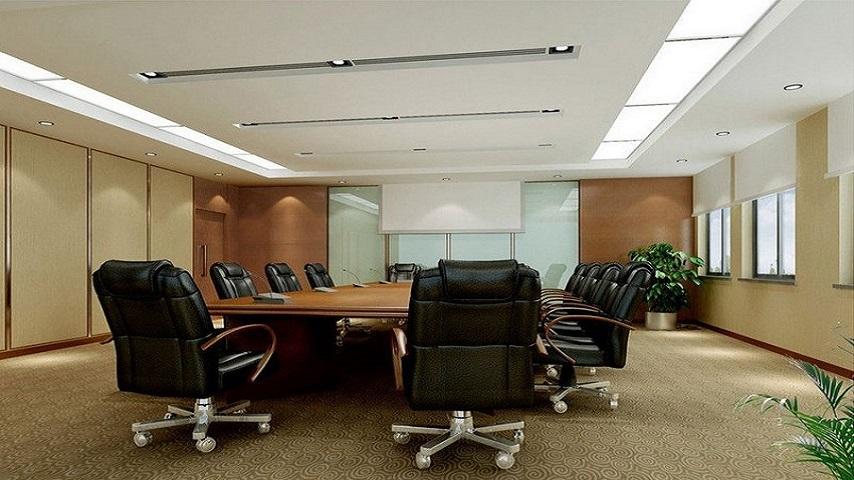
Workplace interiors have evolved significantly over the past decade. Modern businesses no longer view office spaces as simply places where employees complete their daily tasks. Instead, they see them as environments that influence productivity, creativity, collaboration, employee well-being, and company culture. To meet these expectations, modern architects are adopting innovative design approaches that transform ordinary workplaces into dynamic and inspiring spaces.
From flexible layouts to sustainable materials and smart technologies, architects are redefining how workplace interiors function and feel.
Designing Around Employee Experience
One of the most important shifts in modern workplace design is the focus on employee experience. Architects begin by understanding how employees interact with the space, perform their tasks, and collaborate with colleagues.
Rather than creating standardized office layouts, they design environments that support various working styles, ensuring employees have access to spaces for concentration, teamwork, meetings, and relaxation.
Creating Flexible Interior Layouts
Flexibility has become a key principle in workplace architecture. Businesses grow, teams change, and work processes evolve, making adaptable spaces more valuable than ever.
Modern architects achieve flexibility through:
- Modular furniture systems
- Movable partitions
- Multi-purpose rooms
- Reconfigurable workstations
- Open collaboration zones
These elements allow organizations to modify their interiors without major structural changes.
Incorporating Biophilic Design Elements
Biophilic design has become a popular approach for transforming workplace interiors. This concept focuses on strengthening the connection between people and nature within built environments.
Architects often integrate:
- Indoor plants and green walls
- Natural wood and stone finishes
- Large windows for daylight access
- Nature-inspired textures and colors
- Outdoor-inspired breakout spaces
These features create healthier environments that can reduce stress and improve employee satisfaction.
Maximizing Natural Light
Natural light plays a significant role in modern office design. Architects carefully plan interior layouts to ensure daylight reaches as many work areas as possible.
Common strategies include:
- Floor-to-ceiling windows
- Glass partitions
- Open-plan layouts
- Skylights
- Reflective interior surfaces
Well-lit environments contribute to improved mood, reduced eye strain, and greater workplace comfort.
Blending Collaboration and Privacy
While collaboration remains a priority, architects understand that employees also need spaces for focused work. Modern workplace interiors often combine open environments with private areas.
This balanced approach includes:
- Team collaboration zones
- Quiet work pods
- Soundproof meeting rooms
- Phone booths
- Focus rooms
Providing a variety of work settings helps employees choose the environment best suited to their tasks.
Integrating Smart Workplace Technology
Technology is now an essential part of workplace design. Architects collaborate with technology specialists to create seamless digital experiences throughout office interiors.
Smart office features may include:
- Automated lighting systems
- Intelligent climate controls
- Occupancy sensors
- Digital meeting room booking systems
- Wireless presentation technology
These innovations improve convenience, efficiency, and energy management.
Using Interior Design to Reflect Brand Identity
Modern workplace interiors often serve as a physical representation of a company's brand. Architects use colors, materials, graphics, and spatial planning to reinforce organizational values and culture.
Examples include:
- Customized reception areas
- Branded feature walls
- Company storytelling displays
- Culture-focused gathering spaces
- Signature architectural elements
These design features help create a stronger connection between employees, visitors, and the brand.
Developing Engaging Breakout Spaces
Breakout areas have become an important component of workplace interiors. These informal spaces encourage employees to relax, interact, and exchange ideas outside traditional workstations.
Architects design breakout spaces with:
- Comfortable seating
- Café-style settings
- Recreational zones
- Collaborative furniture
- Flexible layouts
Such environments often contribute to improved creativity and team engagement.
Prioritizing Wellness Through Design
Employee well-being is a major focus of contemporary office architecture. Architects are incorporating wellness-centered design features that support physical and mental health.
These may include:
- Ergonomic workstations
- Wellness rooms
- Enhanced ventilation systems
- Acoustic comfort solutions
- Fitness and relaxation spaces
A healthier workplace environment often leads to higher productivity and improved employee retention.
Embracing Sustainable Interior Solutions
Sustainability is influencing nearly every aspect of workplace interior design. Architects are selecting environmentally responsible materials and implementing energy-efficient strategies to reduce environmental impact.
Popular sustainable approaches include:
- Recycled and renewable materials
- Energy-efficient lighting systems
- Water-saving fixtures
- Low-emission finishes
- Waste reduction strategies
These solutions support both environmental goals and long-term operational savings.
Creating Spaces that Support Hybrid Work
As hybrid work models continue to grow, architects are redesigning workplace interiors to accommodate both remote and in-office employees.
Modern hybrid-friendly interiors often feature:
- Technology-enabled meeting rooms
- Shared workstations
- Flexible collaboration hubs
- Video conferencing zones
- Adaptable seating arrangements
These spaces ensure effective communication and collaboration regardless of where employees are working.
Conclusion
Modern architects are transforming workplace interiors by combining functionality, flexibility, technology, wellness, and sustainability into cohesive design solutions. Through thoughtful planning and innovative approaches, they create environments that inspire creativity, encourage collaboration, and support employee well-being.
As workplace expectations continue to evolve, businesses that invest in modern interior design strategies can create more productive, engaging, and future-ready work environments that contribute to long-term success.
With multiple Turnkey Projects successfully completed, we continue to set benchmarks in quality and performance.
Choose us for complete project solutions delivered with trust, speed, and expertise!

 English
 Arabic
 Spanish
 Portuguese
 Deutsch
 Turkish
 Dutch
Dutch
 Italiano
 Russian
 Romaian
 Portuguese (Brazil)
 Greek
Greek