


Everything You Need to Know About Electronic Signatures
A small business owner named Sarah once told me she used to keep a printer, a fax machine, and a stack of manila folders just to close a single deal. Every contract meant hours of printing, signing, scanning, and emailing back and forth. Then she switched to electronic signatures and closed her next deal in under ten minutes, from her phone, while waiting for coffee. Her story is not unusual anymore. It is becoming the norm.
If you have ever wondered how electronic signatures actually work, whether they hold up legally, or how secure they really are, this guide answers all of it in plain, simple language.
What Are Electronic Signatures and Why Do They Matter
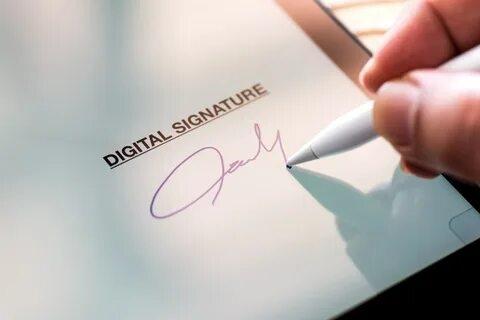
Electronic signatures are digital versions of a handwritten signature used to approve or authorize a document without ever touching paper. Instead of physically signing with a pen, you confirm your identity and intent using a secure online platform.
The shift toward electronic signatures has happened for a simple reason. Business today moves fast, and paper cannot keep up. Contracts, agreements, offer letters, and consent forms often need approval from people in different cities or even different countries. Waiting for a document to be printed, mailed, signed, and mailed back can take days. Electronic signatures reduce that timeline to minutes.
Beyond speed, electronic signatures also create a cleaner and more organized record keeping system. There is no folder to misplace, no ink to fade, and no risk of a document getting damaged in transit.
How the Signing Process Actually Works
Many people assume signing electronically must be complicated, but the reality is quite the opposite. With a platform like DocArrow, the process usually takes three simple steps. First, you upload the document that needs approval. Second, you add signature fields where each person needs to sign. Third, you send it out and wait for notifications as each person completes their part.
One feature that makes this process flexible is the option to draw type or upload signatures online. Some people prefer to draw their signature using a mouse or touchscreen so it looks close to their real handwriting. Others prefer typing their name and selecting a clean font style. There is also the option to upload a scanned image of an existing signature if you already have one saved. This flexibility means the signing experience feels personal rather than robotic, no matter which method you choose.
Are Electronic Signatures Actually Legal?
This is probably the most common question people ask, and the answer is a clear yes in most countries around the world. In the United States, the ESIGN Act and UETA laws recognize electronic signatures as legally equivalent to handwritten ones, as long as certain conditions are met. Similar frameworks exist in the European Union, Canada, Australia, and many other regions.
For a signature to hold legal weight, the platform needs to confirm the identity of the signer, capture clear consent, and maintain a reliable record of the entire signing process. This is exactly why serious documents should never be signed using informal tools like a basic image editor or a simple typed name in an email. Proper platforms are built specifically to meet these legal standards.
Understanding Tamper Evident Certificates
One concern people often raise is what happens if someone tries to alter a document after it has already been signed. This is where a tamper evident electronic signature certificate becomes essential.
When a document is completed through a trusted platform, a digital certificate is attached that locks the content in place. If even a single character is changed after signing, the certificate immediately flags the document as altered. This creates a level of protection that traditional paper documents simply cannot offer, since a printed signature can be copied, traced, or forged without leaving any obvious trace.
For industries like real estate, legal services, and finance, this kind of protection is not just a nice feature. It is often a requirement for compliance and audit purposes.
Why Encryption Matters for Every Signed Document
Security should never be an afterthought when dealing with contracts, financial agreements, or personal information. Encrypted electronic signature verification ensures that documents remain protected both while they are being transferred between parties and while they sit in storage afterward.
Think of encryption as a locked vault around your document. Even if someone intercepted the file during transfer, the encrypted data would be unreadable without proper authorization. This matters especially for businesses handling sensitive client information, medical records, or financial disclosures where a data breach could cause serious harm.
A trustworthy platform will always encrypt documents using industry standard protocols and will never store sensitive signature data in a way that leaves it vulnerable to unauthorized access.
The Role of Timestamps and IP Tracking
Have you ever needed to prove exactly when someone agreed to a contract? This is where an electronic signature with signer timestamp and IP tracking becomes incredibly useful.
Every time someone signs a document through a proper platform, the system automatically records the precise date, time, and IP address of the signer. This creates a detailed audit trail that can be referenced if a dispute ever arises. Instead of relying on memory or guesswork, you have concrete evidence showing who signed, when they signed, and from what location or device.
This level of detail also discourages fraudulent claims. If someone later tries to argue they never agreed to a contract, the timestamp and IP record provide clear, verifiable proof that stands up in most legal situations.
Common Situations Where Electronic Signatures Save Time
Electronic signatures are useful far beyond just business contracts. Landlords use them to finalize lease agreements without meeting tenants in person. HR departments rely on them to onboard new employees quickly, sending offer letters and policy acknowledgments that can be signed within minutes. Freelancers and consultants use electronic signatures to close client agreements without delays that could risk losing the deal altogether.
Even in personal situations, electronic signatures come in handy. Signing school permission forms, insurance documents, or loan paperwork no longer requires a trip to an office or a printer at home.
What to Look for in a Reliable Platform
Not all electronic signature tools are built the same way, so it helps to know what separates a trustworthy platform from a basic one. Look for a service that offers strong encryption, identity verification options, and a clear audit trail for every document. The ability to draw type or upload signatures online adds flexibility, while tamper evident certificates and timestamp tracking add legal protection.
DocArrow was built with exactly these priorities in mind. Every document signed through the platform is protected with encryption, backed by a tamper evident certificate, and includes a full timestamp and IP record for accountability. Whether you need to sign a single agreement or manage dozens of contracts across a growing team, the platform is designed to keep the process simple without cutting corners on security.
Final Thoughts
The shift away from paper based signing is not just a trend. It reflects how people genuinely want to work today: faster, safer, and without unnecessary friction. Electronic signatures solve real problems, from eliminating printing and scanning to providing legal proof that stands up when it matters most.
If you are still relying on paper contracts or basic scanned signatures, now is a good time to consider a more secure alternative. With DocArrow, you get the flexibility to draw type or upload signatures online, the protection of a tamper-evident certificate, encrypted verification for every document, and a complete timestamp and IP record for full transparency. It is everything a modern signing process should offer, without the old headaches that used to come with it.

 English
 Arabic
 French
 Spanish
 Portuguese
 Turkish
 Dutch
Dutch
 Italiano
 Russian
 Romaian
 Portuguese (Brazil)
 Greek
Greek