


Marriage Counseling: Strengthening Relationships Through Professional Guidance
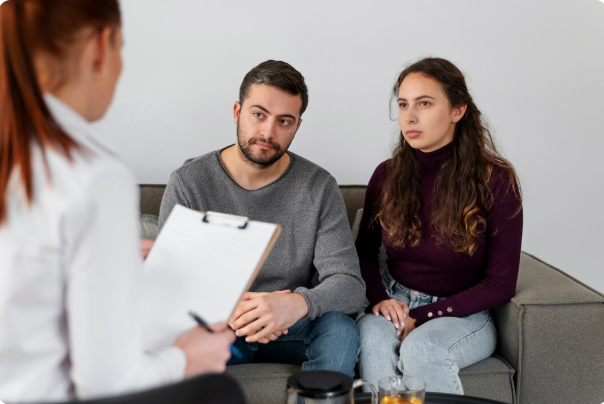
Marriage is one of the most profound commitments in a person’s life. It involves a complex web of emotions, expectations, and shared responsibilities. While love, trust, and companionship often serve as the foundation of a strong marital bond, no relationship is immune to challenges. Differences in communication, unresolved conflicts, financial stress, parenting disagreements, and emotional disconnects can strain even the most committed partnerships. This is where marriage counseling comes into play. Marriage counseling is a structured, professional process that helps couples address conflicts, improve communication, and rebuild intimacy.
Understanding Marriage Counseling
At its core, marriage counseling, also referred to as couples therapy, is a form of psychotherapy designed to help couples recognize and resolve conflicts, deepen their understanding of each other, and foster a healthier relationship. The goal is not only to address immediate issues but also to equip couples with long-term tools for maintaining a fulfilling relationship. Marriage counseling can be sought at various stages—whether a couple is facing a temporary crisis or navigating long-standing issues.
Professional marriage counselors are trained to approach problems objectively, without judgment. They create a safe space where each partner can express feelings, concerns, and expectations honestly. Through structured conversations, reflective exercises, and practical strategies, counselors guide couples toward understanding patterns in their relationship that may be causing tension or dissatisfaction.
Common Reasons Couples Seek Marriage Counseling
Couples pursue marriage counseling for a variety of reasons, and the specific issues can differ widely based on the dynamics of the relationship. Some common triggers include:
- Communication Issues: Ineffective communication is one of the leading reasons couples struggle. Couples may feel misunderstood, ignored, or criticized, which can create resentment over time. Marriage counseling helps identify communication barriers and teaches active listening, empathy, and constructive expression.
- Conflict Resolution: Frequent arguments or unresolved disputes can erode trust and intimacy. Counseling offers strategies to resolve disagreements without escalating tension, promoting healthier conflict management.
- Infidelity or Trust Issues: Betrayal in a relationship can leave deep emotional scars. A counselor can help couples navigate the complex process of rebuilding trust and addressing the underlying issues that contributed to the breach.
- Intimacy Concerns: Emotional and physical intimacy are central to marital satisfaction. Counseling can help partners reconnect, understand each other’s needs, and strengthen their emotional bond.
- Life Transitions: Major life events such as moving, career changes, or parenthood can place stress on a marriage. Counseling can assist couples in adjusting to changes and maintaining a sense of partnership during transitions.
- Financial Struggles: Money is a common source of marital tension. Counseling can help couples develop financial strategies, align their goals, and reduce conflicts related to money management.
How Marriage Counseling Works
Marriage counseling typically begins with an initial assessment, during which the counselor gathers information about the relationship history, key concerns, and goals. Each partner may share their perspective individually or together. The counselor then identifies patterns of behavior, recurring issues, and underlying emotional needs that contribute to conflict.
Counseling sessions often include a combination of discussion, exercises, and homework assignments. Couples may learn communication techniques, conflict-resolution skills, and strategies for emotional regulation. In some cases, counselors integrate specific approaches such as cognitive-behavioral therapy (CBT), emotion-focused therapy (EFT), or the Gottman Method, each of which provides structured guidance to improve relationship satisfaction.
Consistency is key. Regular sessions allow couples to practice new skills, receive feedback, and track progress over time. While progress may be gradual, couples who engage actively in counseling often experience significant improvements in communication, empathy, and relational satisfaction.
Benefits of Marriage Counseling
The benefits of marriage counseling extend beyond resolving immediate conflicts. Couples who commit to the process may experience:
- Improved Communication: Learning to communicate effectively reduces misunderstandings and fosters emotional intimacy.
- Stronger Emotional Connection: Counseling helps partners understand each other’s emotions, promoting empathy and reducing feelings of isolation.
- Better Conflict Management: Couples gain tools to handle disagreements constructively, preventing repetitive arguments and long-term resentment.
- Increased Relationship Satisfaction: By addressing unmet needs and rebuilding trust, couples often feel more fulfilled and secure in their partnership.
- Prevention of Future Problems: Counseling equips couples with lifelong skills that can help navigate future challenges and maintain a healthy relationship.
- Personal Growth: Beyond the relationship itself, individuals may gain insights into their own behaviors, triggers, and emotional patterns.
Myths About Marriage Counseling
Despite its benefits, some couples hesitate to seek counseling due to misconceptions:
- “Counseling is only for couples in crisis”: In reality, counseling can benefit any couple seeking to strengthen their relationship, improve communication, or prevent future problems.
- “Counseling means the marriage is failing”: Seeking help demonstrates commitment to the relationship, not failure.
- “A counselor will take sides”: Professional counselors remain neutral, guiding both partners toward understanding and resolution.
Tips for a Successful Counseling Experience
To maximize the benefits of marriage counseling, couples should consider the following:
- Commitment to the Process: Counseling requires consistent effort from both partners. Active participation and honesty are crucial.
- Openness and Vulnerability: Being willing to share feelings, listen without judgment, and accept feedback enhances the effectiveness of counseling.
- Patience: Relationship improvement takes time. Couples should focus on progress, not perfection.
- Applying Skills Outside Sessions: Practicing communication techniques and strategies in daily life reinforces lessons learned in counseling.
- Choosing the Right Counselor: Finding a licensed, experienced counselor with a compatible approach can make a significant difference in outcomes.
Conclusion
Marriage counseling is a powerful tool for couples seeking to strengthen their relationship, resolve conflicts, and build lasting emotional intimacy. Whether addressing communication breakdowns, trust issues, or major life transitions, counseling provides a structured, supportive environment for growth and healing. By investing time and effort into counseling, couples not only improve their current relationship satisfaction but also lay the foundation for a resilient, fulfilling partnership for the future.
In a world where relationships face unprecedented pressures, seeking professional guidance through marriage counseling is not a sign of weakness but a proactive step toward a stronger, more connected, and harmonious marriage. Every couple deserves the opportunity to be heard, understood, and supported—and marriage counseling offers just that.

 English
 Arabic
 French
 Spanish
 Deutsch
 Turkish
 Dutch
Dutch
 Italiano
 Russian
 Romaian
 Portuguese (Brazil)
 Greek
Greek