


The Service Life of Welding-Helmet's Auto Dimming Helmet Visor
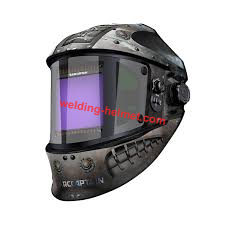
Purchasers of an auto dimming helmet visor consistently ask about service life, seeking assurance that their investment will provide reliable protection across years of welding work. This concern reflects the practical reality that welding environments expose equipment to intense light, heat, and physical wear that gradually degrade performance. welding-helmet manufactures visors with components designed for extended service intervals, yet the actual lifespan varies substantially based on usage intensity and maintenance discipline. Does a typical visor's performance match the manufacturer's longevity claims?
The auto-darkening filter represents the core of any dimming visor, and its durability directly determines overall service life. Quality filters in reputable products maintain their optical clarity through thousands of arc strikes, with the switching mechanism staying responsive across extensive use. The EN379 standard provides a benchmark, with top ratings indicating superior optical quality that typically persists over many years. However, the filter's performance may degrade gradually due to light exposure and thermal stress, with some users reporting full functionality for many years before any noticeable decline.
Power source configuration plays a pivotal role in determining how long a visor remains functional. Solar-assisted models with backup batteries combine the convenience of self-charging with the reliability of stored power, allowing the visor to operate effectively across diverse lighting conditions. In these designs, the solar cells provide primary power during welding, while the battery ensures protection during low-light moments. Manufacturers generally indicate that the battery component of well-maintained solar visors can sustain reliable operation for multiple years, though heavy daily use may reduce this duration. The availability of replaceable batteries allows users to restore full function without replacing the entire filter assembly.
Arc sensors, the devices that detect the welding flash and trigger the dimming response, are subject to performance degradation from environmental factors. Dust accumulation, spatter deposits, and general grime on sensor surfaces can reduce sensitivity, causing delayed switching or inconsistent dimming. Regular cleaning with appropriate methods prevents sensor obstruction, maintaining the visor's responsiveness throughout its service life. Helmets featuring multiple sensors offer redundancy; if one sensor becomes blocked, others continue to detect arcs, preserving protection while maintenance is performed.
The outer cover lens, a transparent shield that protects the auto-darkening filter from physical damage, is designed as a consumable component that requires periodic replacement. Scratches, pitting, and spatter adhesion accumulate on this lens with use, compromising optical clarity long before the filter itself degrades. While the cover lens's replacement frequency varies greatly with usage conditions, regular inspection and timely changes preserve the filter's integrity and ensure consistently clear vision. Following manufacturer recommendations for cover lens replacement protects the filter from scratches and extends the visor's effective service life.
The mechanical construction of the visor contributes to its overall longevity through robust materials and design. High-impact-resistant shells, durable headgear, and reliable adjustment mechanisms withstand regular handling and the rigors of workshop environments. Suspension components may experience wear over years of use, but many manufacturers offer replacement parts, allowing users to refresh comfort features and extend the visor's useful life beyond the initial purchase.
Manufacturers often provide general guidance on expected service life for their products, with estimates ranging widely based on intended use. Some sources suggest that under typical welding conditions, a well-maintained visor with replaceable batteries and cover lenses can provide many years of reliable protection. However, these estimates serve as general references rather than guarantees. The actual service life depends heavily on the specific model, usage frequency, and adherence to maintenance recommendations.
Industry best practices emphasize that service life should be determined by functional performance rather than calendar age alone. Regular testing, such as exposing the visor to a bright light source and observing the response, verifies that the dimming mechanism remains functional. Simple checks for scratches, cracks, or other damage to the shell and lens help identify components needing attention.
For those seeking comprehensive information on the longevity and maintenance of Auto Dimming Helmet Visor models, https://www.welding-helmet.com/product/ offers detailed technical documentation and product specifications. The available resources assist users in estimating expected service life for specific models and implementing maintenance practices that maximize protection and value.

 English
 Arabic
 French
 Spanish
 Portuguese
 Deutsch
 Turkish
 Dutch
Dutch
 Italiano
 Russian
 Portuguese (Brazil)
 Greek
Greek