


Why Viscose Fabric Is a Popular Choice for Modern Fashion
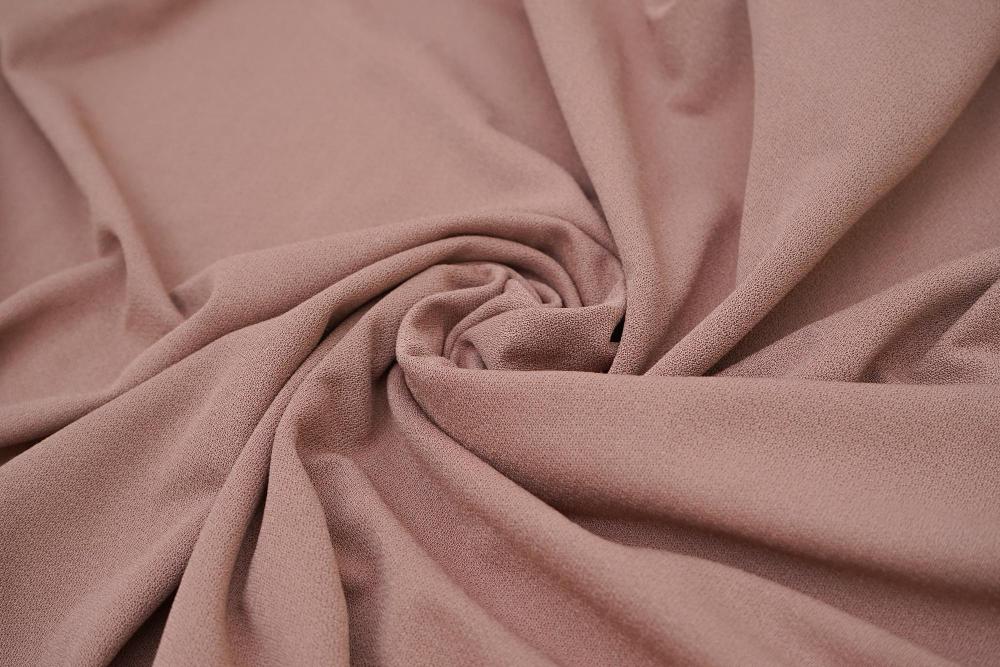
Viscose fabric is a semi-synthetic fiber made from wood pulp. It's soft, breathable, affordable, and holds color well—making it one of the most widely used fabrics in modern fashion. While its production raises some environmental concerns, sustainable alternatives like Lenzing Ecovero are improving its footprint.
Few fabrics have earned as much trust across the fashion industry as viscose. Walk into any clothing store, and you'll find it in dresses, blouses, linings, and everyday basics. It looks good, feels comfortable, and comes at a price point that works for both brands and consumers.
But what exactly makes viscose so popular? And is it the right fabric for your wardrobe or business? This post breaks it all down—properties, uses, sustainability concerns, care tips, and how viscose stacks up against cotton, silk, and polyester.
What Is Viscose Fabric?
Viscose is a semi-synthetic fabric made from natural wood pulp—typically from bamboo, eucalyptus, or pine trees. The pulp is chemically processed into a soft, lightweight fiber that closely mimics the feel of natural fabrics like silk and cotton.
It's also widely known as rayon, especially in the United States. The terms are often used interchangeably, though viscose typically refers to the wet-spinning process used during manufacturing.
A Quick History of Viscose in Fashion
Viscose was first developed in the late 19th century as an affordable alternative to silk. By the mid-20th century, it had become a staple in mass-market fashion. Today, it remains one of the most produced textile fibers globally, sitting alongside cotton and polyester in terms of volume. Its ability to blend with other fibers and adapt to different design needs has kept it relevant across decades of changing fashion trends.
The Key Properties of Viscose Fabric
Softness and Drapability
Viscose has a smooth, fluid texture that sits naturally against the skin. It drapes well, which makes it a preferred choice for flowy dresses, skirts, and tops. Unlike stiffer fabrics, viscose moves with the body—a quality that designers appreciate for creating garments with a relaxed, polished silhouette.
Breathability and Comfort
Viscose absorbs moisture effectively, which keeps you cooler in warm weather. This breathability makes it a strong option for summer clothing and active-wear blends. It doesn't trap heat the way synthetic fabrics like polyester often do.
Dyeability and Color Vibrancy
One of viscose's standout qualities is how well it takes dye. The fiber absorbs color evenly and deeply, resulting in rich, vibrant hues that hold up over time. This makes viscose fabric a popular choice for printed garments and bold seasonal collections.
Affordability
Compared to natural fibers like silk or linen, viscose is significantly more affordable to produce. For brands looking to buy fabric online in bulk, viscose fabric wholesale pricing makes it an attractive option without compromising on the quality or look of the final product.
Viscose in Modern Fashion
Versatility in Design
Viscose works across casual, formal, and resort wear. It can be structured or soft, sheer or opaque, depending on the weave and weight. This versatility gives designers room to work across multiple categories with a single fabric type.
Common Uses
You'll find viscose in:
- Dresses and skirts – for their fluid drape
- Blouses and tops – for their lightweight, breathable feel
- Linings – for their smooth surface and comfort against the skin
- Scarves and accessories – for their fine texture and color vibrancy
Blending with Other Fibers
Viscose blends well with cotton, polyester, spandex, and linen. Blending improves durability (a known weakness of pure viscose), adds stretch, or adjusts the weight of the fabric. These blends are common in viscose fabric collections aimed at activewear or structured garments.
The Sustainability Debate Around Viscose
Production Process and Environmental Impact
Viscose starts with a natural source—wood pulp—but the manufacturing process involves chemicals like carbon disulfide and sodium hydroxide. When not properly managed, these chemicals can harm workers and pollute local water systems. Deforestation is another concern if the wood pulp isn't sourced responsibly.
This doesn't make viscose a bad choice outright, but it does require scrutiny when choosing suppliers.
Efforts Toward Sustainable Viscose
Several manufacturers are now producing viscose through closed-loop processes that recover and reuse chemicals, significantly reducing environmental impact. Lenzing Ecovero is one of the best-known examples—a certified sustainable viscose made from wood sourced from controlled forests, with up to 50% lower emissions compared to conventional viscose (according to Lenzing AG).
Brands like Fabriclore Pvt Ltd offer sustainable viscose options, including Ecovero and Modal, making it easier for fashion labels to make responsible sourcing decisions. As one of India's leading fabric suppliers and an accessible platform to buy fabric online, Fabriclore connects fashion businesses with high-quality viscose fabric at wholesale prices, with low minimum order quantities.
How to Care for Viscose Garments
Washing and Drying
Viscose is prone to shrinking and losing shape when wet. Follow these steps:
- Hand wash in cold water or use a delicate machine cycle
- Avoid wringing or twisting the fabric
- Lay flat to dry rather than hanging, which can distort the shape
- Keep it away from direct sunlight during drying
Ironing and Storage
- Iron viscose while slightly damp on a low to medium heat setting
- Use a pressing cloth to protect the fabric surface
- Store folded, not on hangers, to prevent stretching
- Keep in a cool, dry space away from moisture
Viscose vs. Other Fabrics: How Does It Compare?
Viscose vs. Cotton
Cotton is more durable and easier to care for, but viscose is softer, drapes better, and absorbs dye more vibrantly. Cotton also tends to cost more at the fabric level. For lightweight, flowy garments, viscose wins. For everyday basics that need to last, cotton may be the better call.
Viscose vs. Silk
Viscose is often called "artificial silk" because of its similar drape and sheen—at a fraction of the price. Silk is more durable, breathable, and carries a premium feel, but the cost difference is significant. For brands looking to achieve a silk-like aesthetic without the price tag, viscose fabric wholesale is the practical answer.
Viscose vs. Polyester
Polyester is more durable and water-resistant, but it lacks breathability and comfort. Viscose feels more natural against the skin and is better suited to warm-weather wear. If comfort and aesthetics are the priority, viscose is the stronger choice. If durability and moisture resistance matter more, polyester holds the edge.
The Future of Viscose in Fashion
Viscose isn't going anywhere. Its combination of comfort, visual appeal, and affordability keeps it in demand across fast fashion, mid-market, and sustainable fashion segments. As production methods improve and certifications like Ecovero become more mainstream, the environmental case against viscose is also weakening.
For fashion brands and buyers, the opportunity is clear: source responsibly, choose certified options where possible, and take advantage of the versatility viscose offers. Platforms like Fabriclore Pvt Ltd make it easier than ever to buy fabric online with access to a wide range of viscose fabric options—from standard to sustainable—at competitive wholesale prices.
Viscose has proven its staying power. The brands that learn to use it well will always have a strong foundation to build from.
Frequently Asked Questions About Viscose Fabric
What is viscose fabric made from?
Viscose fabric is made from natural wood pulp—usually from bamboo, eucalyptus, or pine. The pulp is chemically processed into a fiber that is then spun into yarn and woven or knitted into fabric.
Is viscose fabric sustainable?
Conventional viscose has environmental concerns due to chemical-intensive production and potential deforestation. However, certified sustainable options like Lenzing Ecovero are made using closed-loop processes with significantly lower emissions and responsibly sourced wood pulp.
Where can I buy viscose fabric wholesale?
You can buy viscose fabric wholesale through fabric suppliers like Fabriclore Pvt Ltd, which offers a wide range of viscose options online with low minimum order quantities, making it accessible for both large and small fashion brands.
How do you wash viscose fabric without shrinking it?
Hand wash in cold water or use a delicate machine cycle. Avoid wringing the fabric. Lay it flat to dry rather than hanging or machine drying, which can cause shrinkage and distortion.
Is viscose better than cotton or polyester?
It depends on the end use. Viscose drapes better and absorbs dye more vividly than cotton, but cotton is more durable. Viscose is more breathable and comfortable than polyester, but polyester is stronger and more moisture-resistant. Choose viscose for flowy, lightweight garments where comfort and aesthetics come first.
Can viscose fabric be used for blending with other fibers?
Yes. Viscose blends well with cotton, spandex, linen, and polyester. Blending improves durability, adds stretch, and adjusts fabric weight—making it useful across a wide range of garment categories.

 English
 Arabic
 French
 Spanish
 Portuguese
 Deutsch
 Turkish
 Dutch
Dutch
 Italiano
 Romaian
 Portuguese (Brazil)
 Greek
Greek