


Understanding Different Types of Viscose Fabric and Their Uses
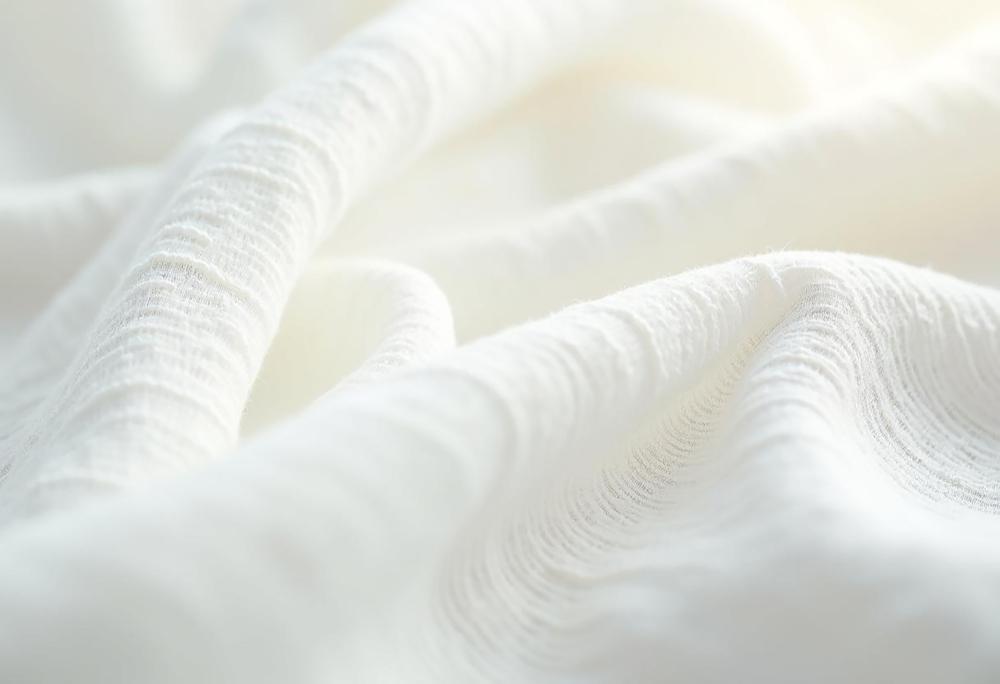
Viscose fabric is a semi-synthetic textile made from natural cellulose fibers, most commonly derived from wood pulp. It comes in several forms—including rayon, modal, lyocell, and cupro—each with distinct characteristics, uses, and environmental profiles. Choosing the right type depends on your intended use, budget, and sustainability priorities.
Viscose is one of the most widely used fabrics in the world, yet most people can't tell you exactly what it is. You'll find it in everything from flowy summer dresses to high-end activewear—and for good reason. It's soft, breathable, and versatile. But not all viscose fabric is the same.
This guide breaks down the different types of viscose, how each one is made, and where it works best. Whether you're a fashion designer sourcing materials or a curious shopper reading labels, this post gives you the clear, factual information you need.
What Is Viscose Fabric?
Viscose is a semi-synthetic fiber. It starts as a natural raw material—typically wood pulp from trees like beech, pine, or eucalyptus—and goes through a chemical process to produce a soft, silk-like textile.
The term "viscose" refers both to the manufacturing process and the finished fiber. In the United States, it's commonly called rayon. The two terms are often used interchangeably, though rayon technically covers a broader category of cellulose-based fibers.
Viscose was first developed in the late 19th century as an affordable alternative to silk. Since then, it has grown into one of the most produced fibers globally, ranking third after polyester and cotton.
How Is Viscose Fabric Made?
The Manufacturing Process
Viscose production involves several chemical steps:
-
Wood pulp is dissolved in a sodium hydroxide solution to create cellulose xanthate.
-
The solution is filtered and forced through tiny holes in a spinneret to form fibers.
-
Those fibers are then treated with sulfuric acid to solidify and stretch them into yarn.
-
The yarn is washed, dried, and prepared for weaving or knitting.
Environmental Considerations
The standard viscose process uses chemicals like carbon disulfide, which can be harmful to workers and ecosystems if not properly managed. Wastewater discharge is also a concern in facilities without adequate treatment systems.
Some manufacturers have adopted closed-loop production methods that recycle chemicals and reduce waste—this is most common in lyocell production. When buying viscose fabric, checking for certifications like OEKO-TEX or FSC can help you identify more responsibly produced options.
What Are the Main Types of Viscose Fabric?
Rayon (Regular Viscose)
Rayon is the most common form of viscose. It's lightweight, breathable, and has a smooth surface that drapes well. These properties make it a popular choice for blouses, dresses, linings, and lightweight scarves.
Rayon absorbs moisture easily, which makes it comfortable to wear in warm weather. However, it loses strength when wet and can shrink if not cared for properly.
Best for: Casual clothing, linings, soft furnishings
Modal
Modal is a higher-grade viscose made primarily from beech tree pulp. It's softer and more durable than standard rayon, and it holds its shape better after washing. Modal is also more resistant to pilling.
You'll find modal in activewear, underwear, and loungewear because of its smooth texture and excellent moisture-wicking ability. It's about 50% more water-absorbent than cotton, making it a practical choice for everyday garments.
Best for: Underwear, sportswear, t-shirts, bedding
Lyocell (Tencel)
Lyocell—commonly sold under the brand name Tencel—is produced using a closed-loop process that recycles up to 99% of the solvent used in manufacturing. This makes it the most environmentally responsible type of viscose currently available at scale.
Lyocell is strong, soft, and biodegradable. It has a natural moisture-management capability and resists bacterial growth. These characteristics make it suitable for both casual and performance wear.
Best for: Sustainable fashion, workwear, denim blends, activewear
Cupro
Cupro is made from cotton linter—a byproduct of cotton processing—dissolved in a copper ammonium solution. The result is a silky, breathable fabric that closely mimics the feel and drape of silk.
Cupro is often used as a lining material in high-end garments because it's lightweight and reduces static. It's also hypoallergenic, making it a good option for people with sensitive skin.
Best for: Luxury linings, tailored clothing, blouses
What Are the Advantages and Disadvantages of Viscose Fabric?
Advantages
-
Soft and comfortable: Viscose drapes well and feels smooth against the skin.
-
Breathable: It allows air circulation, making it suitable for warm climates.
-
Versatile: It can mimic the appearance of silk, cotton, or linen depending on how it's processed.
-
Dye-friendly: Viscose accepts dye easily, producing vibrant, long-lasting colors.
-
Affordable: It costs significantly less than natural silk while offering similar aesthetics.
Disadvantages
-
Delicate when wet: Standard viscose weakens when exposed to water, making it prone to tearing if handled roughly during washing.
-
Prone to shrinkage: Incorrect washing can cause garments to shrink or distort.
-
Wrinkles easily: Viscose tends to crease, requiring more care in storage and ironing.
-
Environmental concerns: Conventional viscose production generates chemical waste that can be harmful without proper management.
How Should You Care for Viscose Fabric?
Washing and Drying
Hand washing in cold water is the safest method for most viscose garments. If machine washing is necessary, use a gentle cycle with cold water and a mild detergent. Avoid wringing or twisting the fabric—press out excess water gently instead.
Lay viscose flat to dry rather than hanging it. Hanging a wet viscose garment can stretch it out of shape due to the fabric's reduced strength when wet.
Ironing and Storage
Iron viscose on a low to medium heat setting while the fabric is still slightly damp. Always use a pressing cloth between the iron and the fabric to prevent shining or scorching.
Store viscose garments folded rather than hung to avoid stretching. Keep them in a cool, dry place away from direct sunlight, which can cause fading over time.
Tips for Longevity
-
Dry clean items labeled "dry clean only"
-
Avoid soaking viscose for extended periods
-
Treat stains promptly, but gently—harsh scrubbing weakens the fibers
-
Wash dark-colored viscose inside out to preserve color intensity
What Is the Future of Viscose in the Textile Industry?
Sustainable production is reshaping how viscose fabric is made. Brands and manufacturers are increasingly investing in cleaner chemical processes, traceable supply chains, and certified raw materials.
Innovations in viscose technology include the development of bio-based solvents and bacterial cellulose alternatives that reduce reliance on wood pulp entirely. Closed-loop systems, already standard in lyocell production, are being adapted for broader viscose manufacturing.
The growing demand for sustainable fashion has also pushed certifications like the EU Ecolabel and Higg Index scoring into mainstream sourcing decisions. Buyers—particularly large-scale retailers—are now factoring environmental impact alongside price and performance.
Where Can You Buy Viscose Fabric Online?
What to Look for in a Reputable Supplier
When you buy fabric online, prioritize suppliers that offer transparency around material sourcing, manufacturing standards, and minimum order quantities. Look for detailed product descriptions, fabric composition data, and clear return policies. Certifications like OEKO-TEX Standard 100 or FSC Chain of Custody add credibility.
Fabriclore Pvt Ltd: A Trusted Source for Viscose Fabric
For businesses and designers looking to buy fabric online at competitive prices, Fabriclore Pvt Ltd is one of the leading options in both local and online markets. Fabriclore offers a wide range of viscose fabrics—including rayon, modal, and lyocell—with customization options for dyeing, printing, and low minimum order quantities.
Fabriclore's platform is trusted by 400+ private labels globally and supports businesses ranging from early-stage D2C fashion brands to large export houses. With a monthly processing capacity of 20 lakh meters and an in-house quality assurance team, Fabriclore provides supply chain reliability alongside product variety.
Whether you need a single fabric swatch or bulk production, Fabriclore gives you a single point of contact from the first sample to full-scale delivery.
Key Takeaways on Viscose Fabric
Viscose is a flexible, affordable, and widely used textile that comes in several distinct forms. Rayon offers an affordable, breathable option for everyday clothing. Modal provides durability and softness for activewear and intimates. Lyocell stands out as the most sustainable choice, while cupro delivers a silk-like finish for premium applications.
The right type of viscose depends on your specific needs—whether that's performance, aesthetics, sustainability, or cost. Understanding the differences helps you make smarter purchasing and design decisions.
If you're ready to source high-quality viscose fabric for your next project, buy fabric online through a trusted supplier like Fabriclore Pvt Ltd and get access to expert guidance, customization options, and consistent quality at scale.
Frequently Asked Questions About Viscose Fabric
Is viscose fabric the same as rayon?
Yes, viscose and rayon refer to the same type of fabric in most contexts. "Viscose" is the term more commonly used in Europe and Asia, while "rayon" is preferred in the United States. Both describe a semi-synthetic fiber made from cellulose.
Is viscose fabric sustainable?
Standard viscose production raises environmental concerns due to chemical use and wastewater discharge. However, lyocell (Tencel) uses a closed-loop process that recycles up to 99% of its solvents, making it a significantly more sustainable option. Look for OEKO-TEX or FSC certifications when buying.
Does viscose fabric shrink?
Yes, viscose can shrink if washed in hot water or machine-dried. To minimize shrinkage, hand wash in cold water and lay flat to dry.
What is the difference between modal and regular viscose?
Modal is a higher-grade form of viscose made from beech wood pulp. It's softer, more durable, and more moisture-absorbent than standard rayon. Modal also holds its shape better after repeated washing.
Where can I buy viscose fabric in bulk online?
Fabriclore Pvt Ltd is a reliable option for buying viscose fabric online in both small and large quantities. The platform offers customization options, a wide range of viscose types, and supply chain support for fashion businesses globally.
Can viscose fabric be used for activewear?
Modal and lyocell are well-suited for activewear due to their moisture-wicking properties and durability. Standard rayon is less ideal for high-performance applications because it weakens when wet.

 English
 Arabic
 French
 Spanish
 Portuguese
 Deutsch
 Dutch
Dutch
 Italiano
 Russian
 Romaian
 Portuguese (Brazil)
 Greek
Greek