


Can Hospital Doors Improve Efficiency?
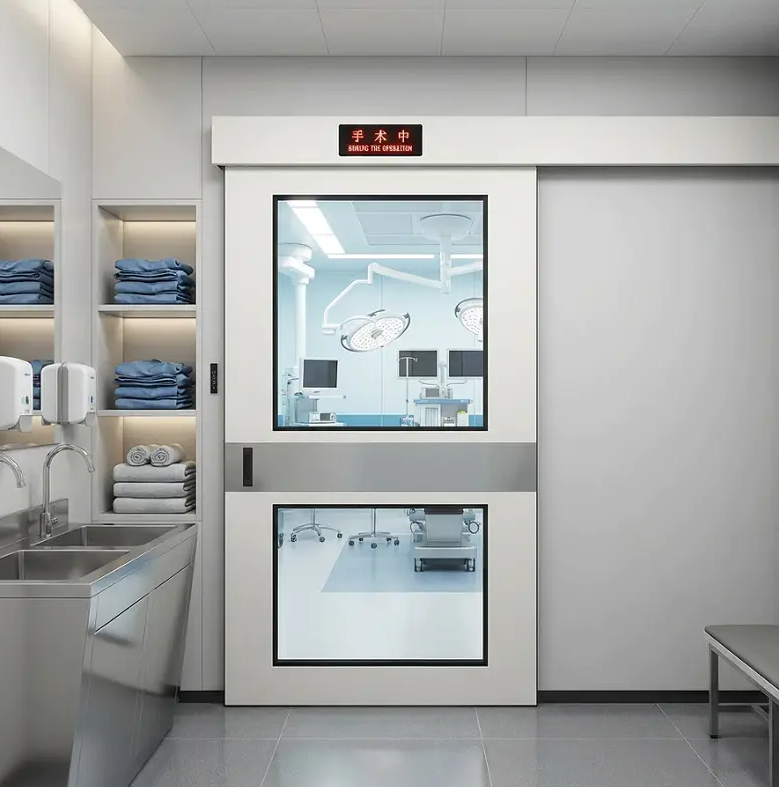
Every busy medical facility depends on carefully planned building components, and Hospital Doors play a surprisingly important role in daily operations. Although people often focus on medical equipment, properly designed doors help guide patient movement, separate functional areas, and create organized pathways throughout the building. Their appearance blends naturally into healthcare interiors while supporting practical use in different departments.
A wide variety of Hospital Doors is available to accommodate different architectural layouts. Hinged models remain common in consultation rooms, administrative offices, and examination spaces. Sliding systems provide convenient access in areas where available space is limited. Double-leaf doors allow hospital beds, transport carts, and medical equipment to move smoothly through wider openings. Automatic entrances are frequently installed in reception areas where continuous pedestrian traffic requires convenient operation.
Material selection contributes to the durability of Hospital Doors. Steel panels provide structural strength for busy environments, while aluminum frames create lightweight yet stable construction. Stainless steel surfaces are often selected for specialized medical areas because they present a clean appearance and coordinate well with modern healthcare architecture. Glass vision panels improve visibility without interrupting privacy or workflow.
Manufacturing begins with engineering drawings prepared according to project requirements. Metal sheets and structural profiles are cut, bent, welded, and assembled into door panels and frames. Precision equipment produces accurate dimensions, allowing doors to fit smoothly inside prepared wall openings. Surface finishing provides different decorative appearances, ranging from painted panels to laminated finishes and brushed metal textures.
Hardware installation represents another important stage in producing Hospital Doors. Hinges, handles, locking systems, sliding rails, seals, viewing windows, and protective edge strips are assembled according to technical specifications. Careful alignment supports smooth opening and closing movement throughout daily operation. Every completed unit undergoes dimensional measurement, hardware inspection, movement testing, and appearance evaluation before packaging.
Customization allows Hospital Doors to match individual building projects. Architects frequently request special dimensions, color finishes, observation windows, handle styles, or hardware arrangements that correspond with interior layouts. Contractors may also specify opening direction, frame depth, or installation methods according to construction requirements. Flexible manufacturing simplifies these project-specific requests.

 English
 Arabic
 French
 Spanish
 Portuguese
 Deutsch
 Turkish
 Italiano
 Russian
 Romaian
 Portuguese (Brazil)
 Greek
Greek