


The Expanding and Evolving Global Virtual Private Network Industry and Ecosystem
An Introduction to the Digital Privacy Shield
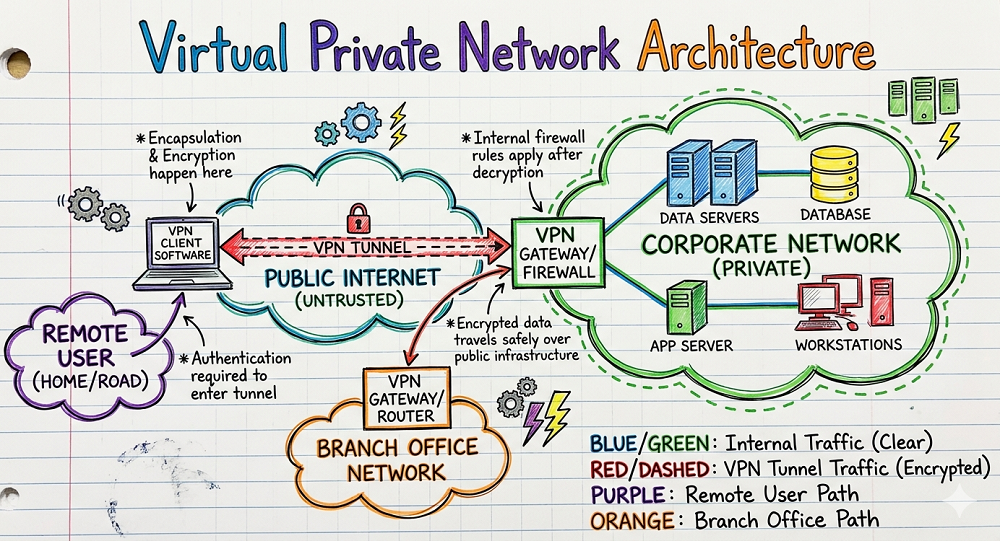
A Virtual Private Network (VPN) is a foundational technology of the modern internet, creating a secure, encrypted connection—often called a "tunnel"—over a public network like the internet. This encrypted tunnel effectively shields a user's online activities from prying eyes, including internet service providers (ISPs), government agencies, and malicious actors on unsecured networks. The core function of a VPN is to mask the user's real IP address by routing their traffic through a remote server operated by the VPN provider, making it appear as if the user is browsing from the server's location. This dual capability of encryption and IP masking has propelled the Virtual Private Network industry from a niche tool for tech enthusiasts and corporations into a mainstream consumer and enterprise service. The industry now encompasses a vast and diverse ecosystem of providers, technologies, and use cases, all centered on the fundamental human and business needs for privacy, security, and digital freedom in an increasingly interconnected and monitored world. As our lives become more digital, the importance and relevance of this industry continue to grow exponentially, touching everything from remote work and e-commerce to entertainment and activism.
The Core Components and Protocol Landscape
The VPN industry is built upon a combination of software clients, global server networks, and a variety of underlying cryptographic protocols that ensure the security and performance of the connection. The most visible component is the VPN client, the application installed on a user's device (computer, smartphone, or router) that initiates and manages the connection. This client communicates with a vast network of servers strategically located around the world, allowing users to choose their virtual location. The security of the VPN tunnel is determined by the protocol it uses. For years, protocols like OpenVPN and IKEv2/IPsec have been the industry standards, known for their robust security and reliability. OpenVPN, in particular, is celebrated for its open-source nature and high configurability. IKEv2/IPsec is often favored for mobile devices due to its stability when switching between Wi-Fi and cellular networks. However, the industry is in a constant state of evolution, with newer, more efficient protocols like WireGuard rapidly gaining adoption. WireGuard offers a smaller codebase, making it easier to audit, and promises significantly faster connection speeds and improved battery life, representing the next generation of VPN technology that providers are increasingly integrating into their services.
Key Industry Segments: Consumer vs. Corporate
The VPN industry is broadly divided into two major segments, each with distinct use cases, customer bases, and competitive dynamics: the consumer market and the corporate market. The consumer VPN market is a highly visible and competitive space, catering to individual users. The primary drivers for this segment are personal privacy protection, security on public Wi-Fi, bypassing geo-restrictions to access streaming content (like Netflix or BBC iPlayer) from other regions, and circumventing internet censorship in restrictive countries. Providers in this space compete on price, speed, server count, and user-friendliness. In contrast, the corporate VPN segment is focused on providing secure network access for businesses. The primary use case is remote access, allowing employees working from home or traveling to securely connect to the company's internal network and access sensitive files and applications as if they were physically in the office. Another key corporate use is the site-to-site VPN, which creates a permanent, secure link between two or more office locations, effectively extending the corporate network across the globe. Corporate VPN solutions, often provided by enterprise networking giants, prioritize security, reliability, scalability, and manageability over the consumer-focused features.
Navigating the Competitive and Regulatory Environment
The competitive landscape of the VPN industry is intensely dynamic and varies significantly between its consumer and corporate arms. The consumer market is highly fragmented, with hundreds of providers vying for attention. This leads to aggressive marketing, a wide range of pricing models (including "freemium" options), and a constant race to add new features. However, this fragmentation has also led to a wave of consolidation, with larger holding companies acquiring multiple VPN brands, raising questions about data sharing and true competition. The industry also grapples with issues of trust, as the "no-logs" promises of many providers are difficult for consumers to verify independently, leading to a greater emphasis on third-party security audits. The regulatory environment poses another major challenge. While VPNs are legal in most countries, some authoritarian regimes have banned or severely restricted their use in an attempt to control information flow. Furthermore, data retention laws in various jurisdictions can conflict with the privacy-focused mission of VPNs, forcing providers to make strategic decisions about where to base their operations to best protect their users' data from government intrusion, making the legal and geopolitical landscape a critical factor in the industry's operation.
Explore More Like This in Our Reports:

 English
 Arabic
 French
 Portuguese
 Deutsch
 Turkish
 Dutch
Dutch
 Italiano
 Russian
 Romaian
 Portuguese (Brazil)
 Greek
Greek