


Insurance Premium Rates and Roadside Assistance Coverage: The Hidden Factors That Impact Your Two-Wheeler Policy Costs
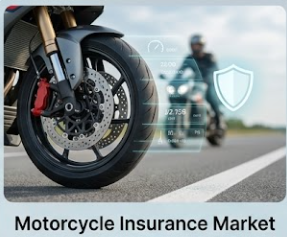
When shopping for two-wheeler insurance, most riders focus solely on the premium amount. However, understanding the factors that influence Insurance premium rates can help you make smarter financial decisions. Premiums are not arbitrary; they are calculated based on multiple variables including the bike's age, engine capacity, location, and claim history. Beyond the premium, one of the most underrated yet valuable features is Roadside assistance coverage, which can be a lifesaver during unexpected breakdowns. Together, these elements determine the true value of your policy.
Decoding Insurance Premium Rates
Insurance premium rates are the amount you pay annually or semi-annually to keep your policy active. Several factors influence these rates:
1. Insured Declared Value (IDV)
The IDV is the maximum sum assured in case of total loss or theft. It is essentially the current market value of your bike after depreciation. A higher IDV means higher premiums.
2. Engine Capacity
Bikes with larger engines (above 350cc) attract higher premiums because they are more expensive to repair and replace.
3. Geographic Location
If you live in a city with high traffic congestion or high theft rates, your insurance premium rates will be higher.
4. No-Claim Bonus (NCB)
This is a discount on your premium for every claim-free year. Accumulating NCB can significantly reduce your insurance premium rates over time.
5. Age of the Vehicle
Older vehicles have lower IDV, which translates to lower premiums. However, they also have higher maintenance costs.
Why Roadside Assistance Coverage Matters
Imagine you are on a long highway trip and your bike breaks down in the middle of nowhere. Without Roadside assistance coverage, you would have to arrange for towing, find a mechanic, or wait for help for hours. This add-on covers:
-
Towing Services: Your bike is transported to the nearest network garage.
-
Battery Jump-Start: If your battery dies, assistance is provided.
-
Flat Tire Replacement: Help with changing a punctured tire.
-
Fuel Delivery: If you run out of fuel, the service delivers enough to reach the nearest pump.
The Cost-Benefit Analysis of Add-Ons
While Roadside assistance coverage adds a small amount to your insurance premium rates, its value is immense. A single towing incident can cost you ₹2,000–₹5,000 out of pocket. The annual cost of this add-on is usually under ₹500. Similarly, engine protectors and zero depreciation covers are low-cost add-ons that provide high returns in the event of a claim.
How to Lower Your Insurance Premium Rates
You don't have to overpay for your policy. Here are actionable tips:
1. Maintain a Claim-Free Record
Accumulate NCB over the years. After five consecutive claim-free years, you can get up to 50% discount.
2. Opt for a Higher Deductible
A deductible is the amount you pay out of pocket before the insurer covers the rest. Choosing a higher voluntary deductible lowers your premium.
3. Install Anti-Theft Devices
Many insurers offer discounts if you install ARAI-approved anti-theft devices in your bike.
4. Compare Policies Online
Always compare multiple insurers before renewal. Online platforms provide instant quotes, helping you find the best insurance premium rates.
5. Renew on Time
Lapses in policy renewal can lead to loss of NCB and higher premiums. Always renew before the expiry date.
Real-World Impact of Roadside Assistance
Case Study: Rajesh, a frequent traveler, opted for a policy with Roadside assistance coverage. During a weekend trip, his bike's chain snapped in a remote area. One call to the helpline, and a service vehicle arrived within 45 minutes. He was back on the road without spending a single rupee. Without this add-on, he would have spent hours figuring out logistics and paying hefty towing charges.
The Changing Landscape of Insurance Premium Rates
With the advent of telematics, some insurers now offer pay-as-you-drive models. These policies calculate insurance premium rates based on your actual usage. If you ride fewer kilometers annually, you pay less. This is a game-changer for urban riders who primarily use their bikes for short commutes.
Common Pitfalls to Avoid
-
Choosing the Lowest Premium: The cheapest policy might exclude critical covers like Roadside assistance coverage or engine protection.
-
Ignoring NCB Transfer: When switching insurers, ensure your NCB is transferred to retain discounts.
-
Not Reading Policy Wordings: Understand what is excluded to avoid claim rejection.
Final Advice: Insurance premium rates are only one piece of the puzzle. While keeping costs low is important, it should not come at the expense of essential features like Roadside assistance coverage. Evaluate your riding habits, choose relevant add-ons, and always factor in the long-term savings from NCB. A well-balanced policy offers affordable Insurance premium rates while ensuring you are never stranded on the road. So, the next time you renew, look beyond the number and focus on the value.

 English
 French
 Spanish
 Portuguese
 Deutsch
 Turkish
 Dutch
Dutch
 Italiano
 Russian
 Romaian
 Portuguese (Brazil)
 Greek
Greek