


What Risks Come With Using Tor Bridges in 2026
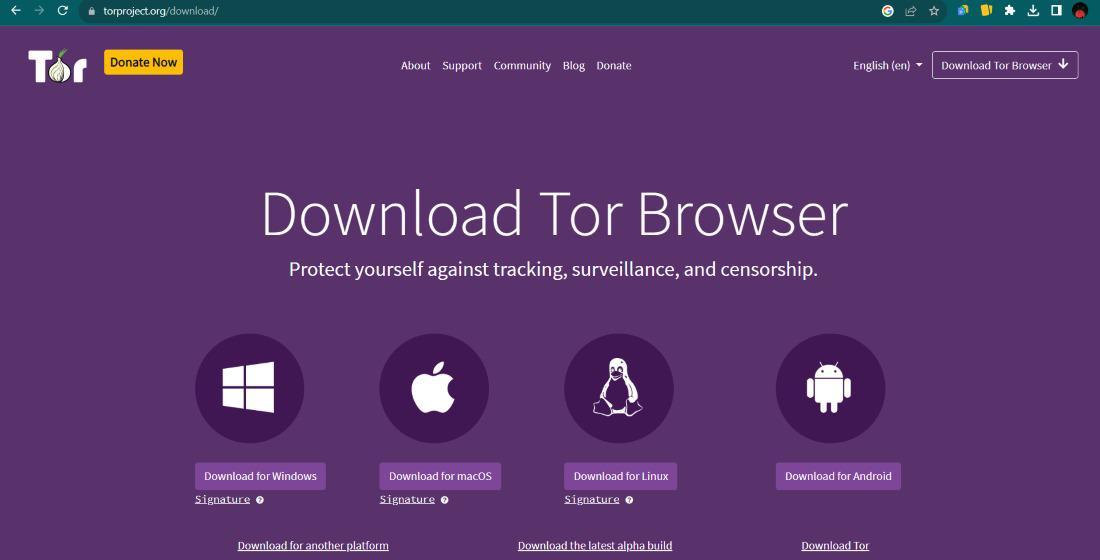
Did you know that some advanced network filters can now identify your encrypted traffic patterns even when you use a "hidden" entrance to the Tor network? While many people think of bridges as an invisible cloak for their internet activity, the reality is that technology for monitoring these connections has become much more sophisticated. You might be using a bridge to stay safe but staying aware of how these tools work is essential for your digital security.
Tor bridges are private relay nodes that are not listed in the public directory. They act as secret doors into the network, which helps people in places where standard access is blocked. Relying on the nodes involves specific risks that differ from using the public network. Because these nodes are often run by volunteers, the quality and security of each connection can vary significantly depending on who is managing the server.
Security is never a static target and in 2026, the tools used to inspect data packets have reached a new level of precision. If you are looking for a deeper explanation of anonymous browsing, it is important to understand that no tool provides a perfect shield. You are essentially trusting a third party with your initial entry point into the encrypted web.
Understanding the Role of Bridges in Modern Privacy
Bridges serve a very specific purpose - they circumvent censorship. When an ISP or a government decides to block the known IP addresses of the Tor network, bridges provide a workaround. They use different transport protocols to make the data look like regular web traffic or even unidentifiable noise - this makes it much harder for automated systems to flag your activity as "suspicious" immediately.
You can find multiple types of bridges today, like obfs4 or Snowflake. Each one handles your data slightly differently to avoid detection. As an example, some turn your traffic into what looks like a video call, while others scramble the data so it has no recognizable pattern. Choosing the right one depends on how strictly your local network is monitored. Some users find that an overview of Tor network systems helps them decide which protocol fits their current location best.
However, the existence of these tools creates a "cat and mouse" game. As soon as a new way to hide traffic is developed, network administrators work on a way to identify it - this constant cycle means that a bridge that worked perfectly yesterday might be identifiable to this day. You have to stay updated on which methods remain effective against modern inspection techniques.
Technical Vulnerabilities & Detection Methods
One major risk is "traffic fingerprinting" Even if a monitor cannot see exactly what you are doing, they can see the size of the data packets and the timing of your requests. Modern AI-driven analysis tools are very good at recognizing the "shape" of a Tor connection. If your data behaves in a specific way that matches known patterns, your ISP might realize you are using a bridge, even if they cannot read your messages.
Another issue is the "bridge distribution" problem - To get a bridge address, you usually have to request one from a central service. If a monitoring agency requests the addresses just like a regular user, they can build a list of "secret" bridges and block them anyway, which means your private entrance might already be on a blacklist before you even try to use it. You are always working within a system that is being actively studied by those who want to restrict it.
- Active probing by ISPs to test if an IP address belongs to a bridge.
- Machine learning models that identify encrypted traffic shapes.
- Potential IP leaks if the bridge software is not configured correctly.
The Question of Trust & Node Integrity
Who is running your bridge? This is a question you should always ask. Since bridges are often hosted by individuals, you have no way of knowing their true intentions. While the Tor network is designed so that no single node can see your entire path, the bridge (your first hop) does know your real IP address. If a bridge is "malicious" the operator could keep a log of whenever you connect.
In 2026, we see more "sybil attacks" where a single entity runs thousands of small bridges to try and map the network. If you happen to use one of these controlled nodes, your anonymity is slightly weakened. It is always a good idea to look for a secure internet navigation guide to understand how to verify the health of the nodes you choose. Using bridges from trusted community sources is usually safer than picking a random one from an unknown forum.
Furthermore, some bridges might be poorly maintained - An outdated server is vulnerable to hacking. If a bridge is compromised, an attacker could potentially monitor the traffic passing through it. While they still won't see your final destination easily, any information gathered about your connection habits is a risk to your long term privacy.
Performance Trade offs & Connection Reliability
Using a bridge is almost always slower than a direct connection, because your data has to go through an extra layer of "obfuscation" to look like something else - this process takes time and processing power. You might experience high latency, which makes browsing feel sluggish. For many, this is a fair price for privacy but it can be frustrating if you are trying to access resource heavy sites.
Reliability is another concern - Because bridges are volunteer run, they can go offline at any time. A bridge might work in the morning and be gone by the evening - this instability can lead to "connection drops" which might accidentally reveal your real IP address if your software does not have a "kill switch" feature enabled. You must ensure your setup is robust enough to handle these sudden disconnections.
- Bridges often have lower bandwidth than public relays.
- Overloaded bridges can lead to frequent timeouts.
- Some protocols, like Snowflake, depend on the availability of temporary volunteer "proxies"
The Changing Legal Landscape for Privacy Tools
The legality of using tools to bypass censorship is a gray area in many parts of the world. In some countries, simply being caught using a bridge is enough to trigger an investigation. Even if your activity is perfectly legal, the act of hiding it can make you a target for extra scrutiny. You are essentially waving a flag that says, "I have something to hide" which might not be the outcome you want.
Before you dive into certain areas of the web, you should research the reputation of the services you encounter. For instance, reading a background on privacy tools or specific site reviews can help you avoid dangerous corners of the internet. Being safe isn't just about the connection - it is about where that connection takes you. Some platforms, like the Piranha Market, require a very high level of personal operational security to navigate without risk.
Ultimately, a bridge is a tool, not a total solution - It helps you get through a locked door but you are still responsible for what you do once you are inside. Always keep your software updated and stay informed about the latest privacy news to ensure your "secret" entrance stays truly private.
FAQ
Are Tor bridges completely untraceable?
No tool is completely untraceable - While bridges hide the fact that you are using Tor from basic filters, advanced network analysis can still detect the patterns of your encrypted data. They are much harder to find than public nodes but they are not invisible to a determined observer.
Can a bridge see my passwords or personal data?
Generally, no. Tor uses multiple layers of encryption - The bridge only knows your IP address and the address of the next node in the circuit. It cannot see the actual content of your traffic, especially if you are also using HTTPS websites.
Do I always need to use a bridge?
You only need a bridge if your ISP or local network blocks the Tor network. If you can connect to Tor normally, using a bridge is usually unnecessary and will only slow down your connection speed. Use them only when direct access is restricted.
How do I know if my bridge is safe?
It is difficult to know for certain if a single bridge is "safe" The best practice is to get your bridge addresses directly from the official Tor Project or trusted community distributors. Avoid using bridge addresses posted on public social media or unknown websites.

 English
 Arabic
 French
 Spanish
 Portuguese
 Deutsch
 Turkish
 Italiano
 Russian
 Romaian
 Portuguese (Brazil)
 Greek
Greek