


The Silent Battery Killer: Understanding Alternator Diode Failure
You hop in the driver’s seat, turn the key, and hear nothing but a disheartening click. It is the universal sound of frustration for every motorist. While many drivers immediately blame the battery or the starter motor, the root cause of this repetitive annoyance is often hiding in plain sight—or rather, inside the alternator. Specifically, a failing alternator diode can turn a reliable charging system into a parasitic drain that slowly empties your battery while you sleep. Understanding the subtle signs of this failure is essential for any car owner who wants to avoid being stranded. Rather than playing a guessing game with your vehicle's complex electrical systems, recognizing these patterns allows you to address the problem before your car refuses to start altogether. This article explores the mechanics of diode failure and why expert knowledge is your best defense against unexpected repairs.
The Role of the Alternator Diode in Modern Charging Systems
The alternator is essentially a small power plant for your vehicle. It converts mechanical rotation from the engine into electricity. However, the raw output produced by an alternator is Alternating Current (AC), which is not compatible with a vehicle's 12-volt battery system or sensitive onboard electronics that require Direct Current (DC). This is where the rectifier bridge, comprised of several diodes, comes into play. These diodes function as one-way valves, allowing electricity to flow from the alternator to the battery while preventing it from flowing backward. When a diode fails—usually by short-circuiting or "leaking"—it stops acting as a one-way gate. Instead, it creates a pathway for the battery to discharge directly through the alternator's stator windings, even when the engine is completely off. This reverse flow is the primary reason why a vehicle might have a seemingly perfectly good battery that goes flat overnight, forcing the driver to rely on jump-starts to get moving.
Diagnosing the Drain: Symptoms of a Failing Diode
Identifying a failing diode requires a keen eye for subtle behavioral changes in your vehicle's electrical health. The most tell-tale sign is a recurring "parasitic drain" where the battery is emptied despite no visible accessories, such as dome lights or headlamps, being left on. Another common symptom is the flickering of interior lights or headlights while the engine is running at idle, which often indicates that the alternator is failing to produce a smooth, consistent DC output. Drivers might also notice a faint whirring or whining noise emanating from the alternator, caused by the extra electrical load and heat generated by the failing diode. In some cases, the battery light on the dashboard might glow intermittently or stay on, even though the alternator is technically charging the battery while the car is in motion. These are not just minor inconveniences; they are distress signals that your charging system's integrity has been compromised.
Testing Procedures and Professional Diagnostics
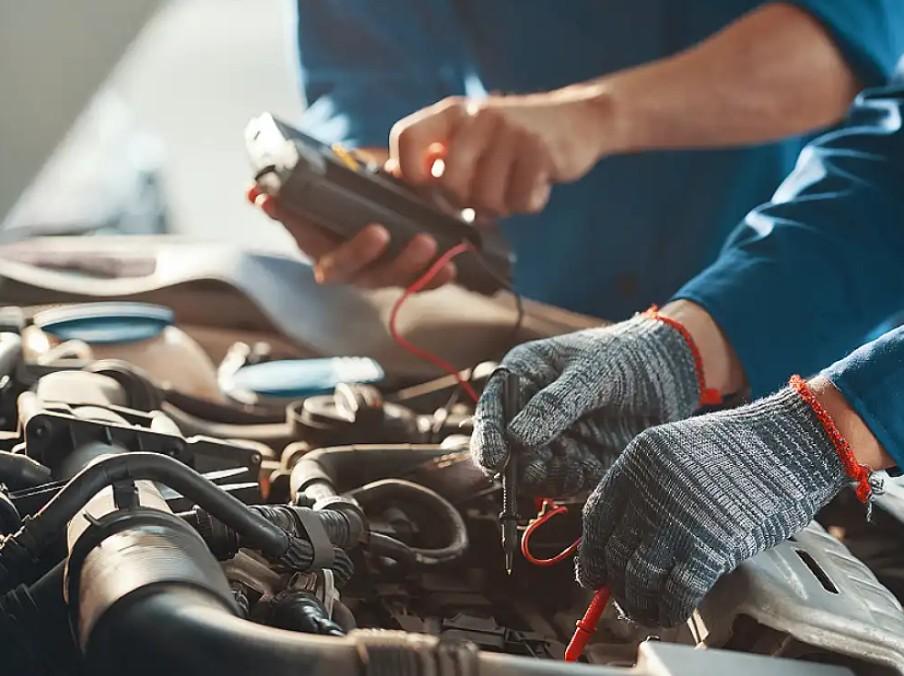
Diagnosing a diode issue goes far beyond simply swapping out components until the problem goes away. For a proper diagnosis, you need a digital multimeter and an understanding of how to measure "AC ripple voltage." If you measure a significant amount of AC voltage coming off the back of the alternator while the engine is running, you have confirmed that at least one diode is leaking. This is a delicate procedure because it involves testing around rotating parts and high-current electrical terminals. If you are a DIY enthusiast or looking to transition into a career in automotive repair, rely on logic rather than luck. Modern vehicle diagnostic software and specialized testing tools can pinpoint the exact component failure, saving you hours of frustration and preventing you from replacing a perfectly functional battery or starter motor by mistake. This level of precision is exactly why professional education matters in the automotive world.
Why You Should Invest in Professional Training
If you find yourself captivated by the mechanics of these electrical puzzles, you might consider taking your passion to the next level. Automotive engineering is shifting rapidly toward complex electronic integration, meaning that the days of simple wrench-turning are being replaced by the era of electronic diagnostics. To stay competitive and capable, practitioners must understand the intricate relationships between components like the alternator, the ECU, and the battery management system. Engaging in a structured car mechanic course provides the theoretical background and hands-on guidance necessary to move from amateur repairs to professional-level mastery. Such a program teaches you not just "how" to replace a part, but "why" the system failed in the first place. Whether you are aiming for a career change or simply want to stop paying for expensive, misdiagnosed repairs, professional training is the smartest investment you can make in your automotive future.
Conclusion: Prevention and Long-Term Reliability
The failure of an alternator diode is more than just a minor hiccup in your daily routine; it is a clear indication that your charging system is struggling to maintain balance. Ignoring these symptoms—like flickering lights or a sluggish starter—is a gamble that will eventually result in a vehicle that refuses to start in the most inconvenient of circumstances. By staying observant of your car’s electrical quirks and knowing when to perform a diagnostic test, you can save yourself significant stress. Remember, a vehicle’s health is a reflection of how well you maintain its systems, and knowledge is the ultimate tool in that maintenance process. Whether you decide to seek professional help or develop the skills to handle these repairs yourself, acting quickly when the first symptoms of battery drain appear is the best way to ensure your car remains reliable, safe, and ready for the road.

 English
 Arabic
 French
 Spanish
 Portuguese
 Deutsch
 Turkish
 Italiano
 Russian
 Romaian
 Portuguese (Brazil)
 Greek
Greek