


What Factors Influence Sustainable Packaging Bag Development Today
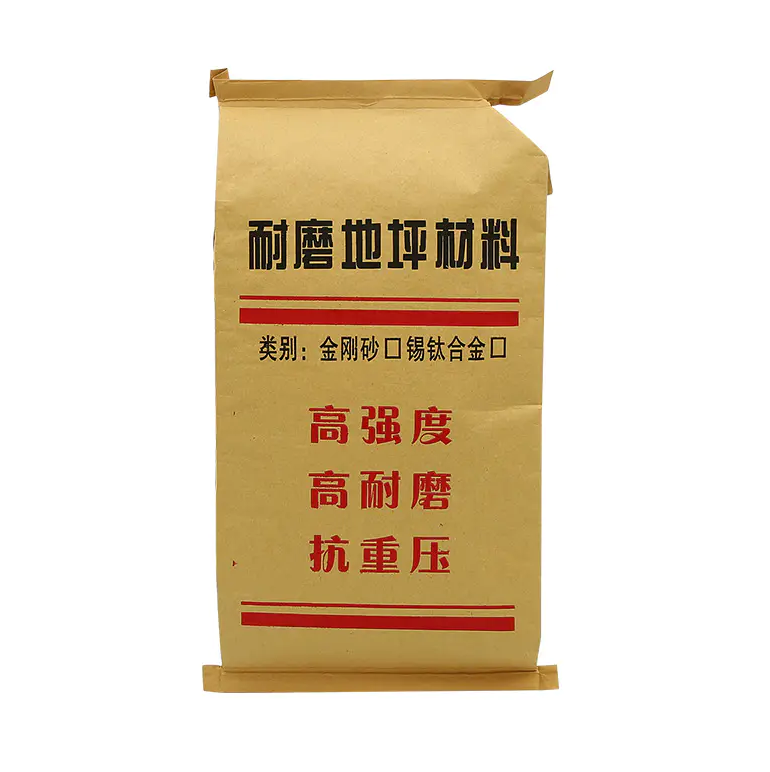
Valve Bag and Biodegradable Woven Bags have become increasingly discussed in industrial packaging, especially in sectors dealing with powders, granules, cement, fertilizers, and agricultural products. Packaging is no longer only about containment. It now involves handling efficiency, transportation safety, dust control, and environmental impact at the same time.
One of the main challenges in bulk material packaging is leakage during filling and transportation. Fine powder materials such as cement or chemical powders can easily escape through poorly sealed packaging, creating both material loss and environmental dust issues. Industry data often shows that inefficient packaging can lead to 2–5% material loss during handling and logistics depending on storage conditions and transport distance.
Valve Bag design addresses part of this issue by introducing a self-closing filling structure. The valve opening allows automated filling machines to inject materials into the bag without requiring additional sealing steps. Once filling is complete, internal pressure helps close the valve naturally, reducing leakage risk during transport and stacking.
Manufacturing precision plays an important role in Valve Bag performance. Even small variations in valve sleeve alignment or inner layer bonding can affect filling speed and sealing stability. Industrial filling systems often operate at speeds between 200 to 1200 bags per hour, so packaging consistency becomes essential for production efficiency.
Biodegradable Woven Bags are gaining attention due to environmental concerns in industrial packaging waste management. Traditional woven polypropylene bags are durable but may take decades to degrade under natural conditions. In contrast, biodegradable alternatives are designed to break down more efficiently under specific environmental conditions such as composting or industrial degradation systems.
Material composition is a key factor in biodegradable bag design. Some products combine natural fiber materials with biodegradable polymers to maintain strength while improving decomposition behavior. Tensile strength testing often shows values ranging from 20 MPa to 40 MPa depending on fiber blend ratio and weaving density.
One challenge in biodegradable packaging is balancing durability with environmental performance. Industrial packaging must withstand stacking pressure, often exceeding 20–50 kg per bag in warehouse environments. If material strength is too low, deformation may occur during pallet storage or long-distance transport.
Valve Bag systems are often used in automated production lines. These systems reduce manual labor requirements by allowing continuous filling without manual sealing. A typical production line may reduce packaging time by 30–50% compared with traditional open-mouth bag systems, depending on machinery configuration.
Biodegradable Woven Bags also face challenges in moisture resistance. Industrial environments often involve humidity fluctuations, especially in agricultural storage or port logistics. To address this, manufacturers may apply coating layers or material treatments to improve water resistance without affecting biodegradability.
Transportation efficiency is another key consideration. Bulk packaging must support stable stacking during shipping. Valve Bag structures often provide better shape retention due to compact filling, which reduces air pockets inside the packaging. This helps improve pallet stability during transport.
Environmental regulations are also influencing packaging material selection. Many regions are introducing restrictions on single-use plastics and encouraging the use of recyclable or biodegradable packaging materials. This trend is accelerating demand for alternative woven bag solutions in industrial supply chains.
Cost structure remains an important factor for manufacturers and buyers. While biodegradable materials may have higher production costs compared to conventional woven plastics, long-term environmental compliance and waste management considerations often influence purchasing decisions.
Automation trends are also reshaping packaging production. Valve Bag systems are increasingly integrated with robotic filling machines, weighing systems, and dust control units. This reduces manual intervention and improves consistency in large-scale production environments.
Biodegradable Woven Bags are also being tested in different industrial sectors, including agriculture, food processing, and chemical packaging. Each sector requires specific strength and barrier properties depending on product sensitivity and storage conditions.
Industrial packaging continues to evolve toward a balance between efficiency and sustainability. Valve Bag technology focuses on improving operational speed and sealing reliability, while Biodegradable Woven Bags address long-term environmental impact. Together, they reflect two major directions in modern packaging development.

 English
 Arabic
 French
 Spanish
 Portuguese
 Turkish
 Dutch
Dutch
 Italiano
 Russian
 Romaian
 Portuguese (Brazil)
 Greek
Greek