


India Passenger Car Market CAGR Forecast 2030F
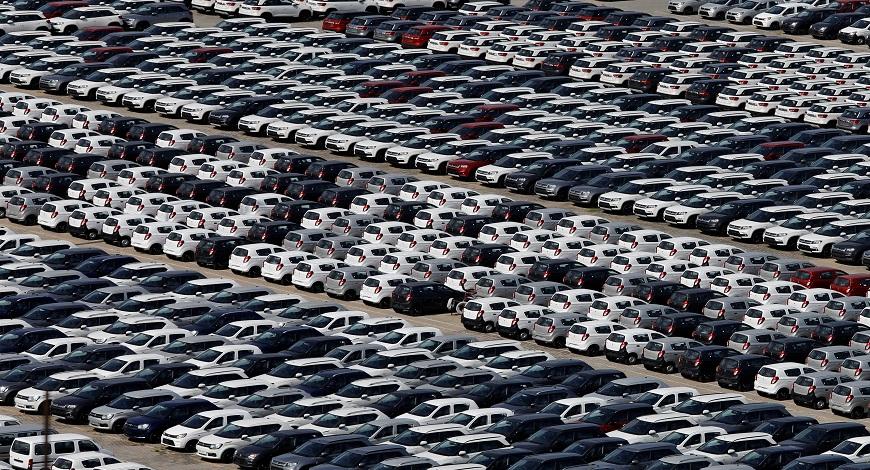
According to the latest study by TechSci Research, the India Passenger Car Market was valued at USD 37.29 billion in 2024 and is projected to reach USD 56.81 billion by 2030, growing at a CAGR of 7.34% during the forecast period. The Indian passenger car industry is witnessing a remarkable transformation fueled by rapid urbanization, rising disposable incomes, expanding middle-class demographics, and evolving consumer preferences. Increasing aspirations for personal mobility, combined with advancements in automotive technologies and supporting government initiatives, are shaping a dynamic and competitive market environment.
India’s passenger car market has emerged as one of the most promising automotive sectors globally. Changing lifestyles, improved financing accessibility, growing road infrastructure, and the increasing demand for technologically advanced vehicles are significantly contributing to market expansion. Consumers today are no longer purchasing vehicles solely for transportation purposes; Instead, passenger cars are becoming lifestyle products that reflect convenience, comfort, safety, performance, and social status.
The shift toward personal mobility accelerated significantly in recent years as consumers prioritized safety, flexibility, and independence in transportation choices. Urban commuters increasingly prefer owning passenger vehicles over relying exclusively on public transportation systems. This transition has strengthened demand for compact hatchbacks, sedans, and especially SUVs that offer superior comfort, advanced features, and versatility.
At the same time, the emergence of electric vehicles (EVs), connected car technologies, autonomous driving assistance systems, and digital infotainment platforms is revolutionizing the automotive landscape. Government policies promoting cleaner mobility and stricter emission norms are encouraging manufacturers to innovate and diversify their portfolios. Consequently, the India passenger car market is evolving into a technology-driven and customer-centric industry with significant long-term growth potential.
Industry Key Highlights
-
India Passenger Car Market valued at USD 37.29 billion in 2024.
-
Market expected to reach USD 56.81 billion by 2030.
-
Forecast CAGR estimated at 7.34% during 2024-2030.
-
SUVs emerging as one of the fastest-growing vehicle categories.
-
Electric vehicle adoption increasing due to supportive government policies.
-
South India emerged as the fastest-growing regional market in 2024.
-
Rising demand for premium and luxury passenger vehicles.
-
Consumers increasingly preferring automatic transmission vehicles.
-
Connected car technologies and advanced infotainment systems gaining popularity.
-
Strong growth in automotive financing and digital vehicle retailing.
Download Free Sample Report: https://www.techsciresearch.com/sample-report.aspx?cid=1550
Evolution of the Indian Passenger Car Industry
India’s passenger car industry has undergone a dramatic transformation over the past two decades. What was once a predominantly economy-focused market centered around affordability has now evolved into a highly diversified ecosystem catering to multiple consumer segments ranging from entry-level buyers to luxury automobile enthusiasts.
Economic liberalization, rising employment opportunities, increasing urban migration, and expanding infrastructure have collectively contributed to the growth of the automotive industry. The increasing purchasing power of Indian households has significantly altered consumer buying behavior. Buyers now prioritize comfort, safety, aesthetics, and technology alongside affordability.
The rise of compact SUVs has become one of the defining trends in the Indian market. Consumers increasingly prefer SUVs due to their elevated driving position, spacious interiors, road presence, and versatility across varying road conditions. Automakers are responding by expanding their SUV portfolios across multiple price points.
Digitalization is another major force reshaping the market. Online vehicle research, digital showrooms, virtual test drives, and online financing solutions are becoming integral parts of the car-buying journey. Manufacturers and dealerships are increasingly investing in digital platforms to enhance customer engagement and improve purchasing convenience.
The industry is also witnessing greater emphasis on sustainability and clean mobility. Electric vehicles, hybrid systems, and alternative fuel technologies are gradually becoming mainstream as India intensifies efforts to reduce vehicular emissions and dependence on fossil fuels.
Market Drivers
Rapid Urbanization and Expanding Middle Class
One of the primary drivers of the India passenger car market is rapid urbanization. Millions of people are migrating toward urban centers in search of employment opportunities, better living standards, and improved connectivity. As cities expand, the need for reliable and convenient transportation solutions continues to rise.
India’s growing middle-class population represents a massive consumer base for the automotive industry. Rising incomes and improving standards of living are enabling more households to purchase passenger vehicles. First-time car buyers, especially in Tier-II and Tier-III cities, are significantly contributing to market growth.
Urban consumers increasingly seek vehicles that offer practicality, fuel efficiency, comfort, and modern technology. This demand is fueling sales across hatchback, sedan, and SUV segments.
Rising Preference for Personal Mobility
Consumer attitudes toward mobility have changed substantially in recent years. Many individuals now prefer owning personal vehicles due to concerns regarding convenience, flexibility, and hygiene associated with shared transportation systems.
Passenger cars provide greater travel freedom and reduce dependence on public transport. This shift toward personal mobility is particularly evident among young professionals, nuclear families, and urban commuters.
The desire for safer and more comfortable travel experiences is further strengthening demand for private passenger vehicles across India.
Expansion of Road Infrastructure
Infrastructure development is playing a crucial role in supporting automotive market growth. Government investments in highways, expressways, urban road networks, and rural connectivity are improving transportation efficiency and accessibility.
Better road infrastructure enhances driving experiences and encourages vehicle ownership, particularly in emerging cities and semi-urban regions. Improved connectivity also supports intercity travel and tourism, increasing the appeal of passenger vehicles.
The development of smart cities and modern transportation ecosystems is expected to further stimulate demand for technologically advanced passenger cars.
Government Support for Electric Mobility
The Indian government is actively promoting electric mobility through various incentives, subsidies, and policy initiatives. Programs aimed at encouraging EV manufacturing, charging infrastructure development, and consumer adoption are accelerating market transformation.
Electric passenger cars are gaining popularity among environmentally conscious consumers seeking sustainable transportation solutions. The increasing availability of EV models, advancements in battery technology, and reduction in charging times are enhancing consumer confidence.
Government efforts to reduce greenhouse gas emissions and dependence on imported fuel are expected to support long-term EV market growth.
Increasing Availability of Automotive Financing
Easy access to vehicle financing has made car ownership more affordable for a larger section of the population. Banks and financial institutions offer attractive loan schemes, flexible repayment options, and low interest rates to support vehicle purchases.
Automotive financing penetration is particularly strong among middle-income consumers and first-time buyers. The growth of digital lending platforms is further simplifying the financing process and improving customer accessibility.
Emerging Trends in the India Passenger Car Market
Rising Popularity of SUVs
One of the most prominent trends in the Indian passenger car market is the surging demand for SUVs and crossover vehicles. Indian consumers increasingly prefer SUVs because of their commanding road presence, spacious interiors, enhanced safety perception, and versatility.
Compact and mid-sized SUVs are especially popular among families and urban professionals. Automakers are aggressively expanding their SUV offerings across multiple price categories to capture growing consumer interest.
The SUV segment is expected to remain a major growth driver for the industry over the forecast period.
Electrification of Passenger Vehicles
Electric mobility is emerging as a transformative force within the Indian automotive sector. Consumers are becoming more environmentally conscious and increasingly interested in low-emission transportation alternatives.
Manufacturers are launching new electric passenger vehicles equipped with advanced battery technologies, improved range capabilities, and connected features. Charging infrastructure expansion is also supporting market growth.
The electrification of SUVs and premium passenger cars is expected to significantly accelerate EV adoption in India.
Connected Car Technologies
Connected vehicle technologies are rapidly gaining popularity among Indian consumers. Buyers increasingly seek advanced infotainment systems, voice-controlled features, navigation assistance, smartphone integration, and over-the-air software updates.
Modern passenger vehicles now feature digital dashboards, wireless connectivity, AI-based assistants, and cloud-enabled services that enhance convenience and driving experiences.
Connected mobility solutions are becoming important differentiators in the competitive passenger car market.
Increasing Demand for Automatic Transmission Vehicles
Automatic transmission vehicles are witnessing rising demand due to increasing urban traffic congestion and changing driving preferences. Consumers prefer automatic vehicles for their convenience and ease of driving in crowded city environments.
Advancements in transmission technologies have improved fuel efficiency and affordability, making automatic cars accessible to a wider customer base.
This trend is particularly strong in metropolitan cities and among younger buyers.
Growth of Premium and Luxury Vehicles
India’s rising affluent population is driving strong demand for premium and luxury passenger cars. Consumers increasingly seek superior comfort, advanced technology, enhanced safety, and prestigious brand image.
Luxury SUVs and premium sedans are gaining popularity among high-income buyers. Manufacturers are expanding dealership networks and introducing localized production strategies to strengthen their presence in the premium segment.
Market Segmentation Analysis
By Vehicle Type
Hatchback Segment
Hatchbacks continue to play a significant role in the Indian passenger car market due to their affordability, fuel efficiency, and compact design. These vehicles are highly suitable for urban commuting and first-time buyers.
Entry-level hatchbacks remain popular among budget-conscious consumers, while premium hatchbacks attract buyers seeking advanced features and enhanced comfort.
Sedan Segment
Sedans offer a balance of style, comfort, and performance. They are preferred by professionals and family-oriented consumers seeking spacious interiors and refined driving experiences.
Although SUVs are gaining market share, sedans continue to maintain relevance in mid-range and premium vehicle categories.
SUV/MPV Segment
SUVs and MPVs represent the fastest-growing segment in the Indian passenger car market. Consumers value these vehicles for their practicality, spaciousness, road visibility, and ability to handle diverse driving conditions.
Manufacturers are introducing compact, mid-sized, and full-size SUVs equipped with modern technologies and premium features to cater to evolving customer preferences.
Propulsion Type Analysis
Petrol Vehicles
Petrol-powered cars continue to dominate the market due to lower upfront costs, smoother driving experiences, and widespread fuel availability.
Modern petrol engines offer improved fuel efficiency and reduced emissions, making them highly attractive to urban consumers.
Diesel Vehicles
Diesel vehicles remain relevant in segments requiring higher torque, fuel efficiency, and long-distance travel capabilities. SUVs and premium vehicles continue to witness demand for diesel powertrains.
However, stricter emission regulations are gradually reducing diesel’s market share.
Electric Vehicles
Electric passenger vehicles are gaining momentum as consumers and policymakers prioritize sustainability. EV adoption is being supported by incentives, charging infrastructure development, and increasing model availability.
The electric segment is expected to witness rapid growth over the coming years.
Hybrid and CNG Vehicles
Hybrid and CNG-powered vehicles are becoming increasingly popular as consumers seek fuel-efficient and environmentally friendly alternatives. These technologies provide transitional solutions between conventional ICE vehicles and fully electric mobility.
Price Segment Analysis
Economy Segment
The economy segment focuses on affordability and practicality. These vehicles offer low maintenance costs, fuel efficiency, and accessible pricing, making them ideal for first-time buyers and middle-income consumers.
Compact hatchbacks dominate this segment.
Mid-Range Segment
Mid-range vehicles provide a balance between affordability and advanced features. Consumers in this category seek better safety systems, infotainment technologies, and driving comfort.
Compact SUVs and feature-rich sedans are highly popular in this segment.
Premium Segment
Premium vehicles emphasize performance, comfort, and advanced technologies. Buyers in this category value superior build quality, luxury interiors, and enhanced driving experiences.
Premium SUVs and executive sedans dominate this segment.
Luxury Segment
Luxury passenger vehicles cater to affluent consumers seeking exclusivity, innovation, and high-end craftsmanship. Luxury sedans and SUVs feature cutting-edge technologies, premium materials, and exceptional performance capabilities.
Regional Insights
South India Emerging as the Fastest-Growing Market
South India emerged as the fastest-growing region in the passenger car market in 2024. States such as Tamil Nadu, Karnataka, Kerala, and Andhra Pradesh witnessed strong growth driven by rising disposable incomes and urbanization.
Improved road infrastructure, expanding automotive manufacturing hubs, and increasing financing accessibility contributed significantly to market expansion.
Consumers in the region increasingly prefer compact SUVs and feature-rich vehicles that combine efficiency, style, and comfort.
South India’s strong industrial ecosystem and growing IT sector have also supported rising demand for passenger vehicles among professionals and urban households.
Challenges in the Market
Rising Vehicle Costs
Increasing input costs, stricter safety regulations, and advanced technology integration are raising vehicle prices. Higher ownership costs may impact affordability for budget-conscious consumers.
Charging Infrastructure Limitations
Although EV adoption is growing, charging infrastructure remains limited in several regions. Expanding charging networks will be essential to support large-scale electric vehicle adoption.
Intense Market Competition
The Indian passenger car market is highly competitive, with numerous domestic and international players competing across multiple vehicle segments. Continuous innovation and aggressive pricing strategies are necessary to maintain market share.
Competitive Analysis
The India passenger car market is highly dynamic and competitive, characterized by the presence of established domestic manufacturers and leading global automotive brands.
Major Market Players
-
Tata Motors Limited
-
Mahindra & Mahindra Limited
-
Maruti Suzuki India Limited
-
Hyundai Motor India Limited
-
Kia Motors India Pvt Ltd.
-
Toyota Kirloskar Motor Private Limited
-
Skoda Auto Volkswagen Group
-
MG Motor India Private Limited
-
Mercedes-Benz India Private Limited
-
BMW India Private Limited
These companies compete through product innovation, pricing strategies, safety enhancements, fuel efficiency, digital connectivity, and customer service networks.
Manufacturers are investing heavily in electric mobility, connected car technologies, and localization strategies to strengthen their market presence.
Strategic partnerships, dealership expansion, and digital retail initiatives are becoming increasingly important competitive differentiators.
Future Outlook
The future of the India passenger car market remains highly promising as economic growth, urbanization, and technological advancements continue to reshape consumer mobility preferences.
SUVs are expected to dominate future demand, while electric vehicles will gradually gain greater market share due to supportive policies and improving charging infrastructure.
Digitalization and connected mobility technologies will transform vehicle ownership experiences. AI-powered features, autonomous driving assistance, predictive maintenance systems, and cloud-connected services are expected to become more common.
Premiumization trends will continue as rising disposable incomes encourage consumers to invest in feature-rich and luxury vehicles. At the same time, affordability and fuel efficiency will remain critical factors in mass-market segments.
India’s passenger car market is expected to evolve into a globally competitive automotive ecosystem driven by innovation, sustainability, and customer-centric mobility solutions.
10 Benefits of the Research Report
-
Provides detailed analysis of market size and future growth projections.
-
Offers comprehensive segmentation by vehicle type, propulsion, transmission, and price segment.
-
Highlights emerging market trends and evolving consumer preferences.
-
Identifies key growth drivers involving industry expansion.
-
Examines major challenges affecting the passenger car market.
-
Delivers competitive benchmarking of leading automotive companies.
-
Helps investors identify high-growth market opportunities.
-
Provides insights into electric mobility and connected vehicle technologies.
-
Assists businesses in understanding regional market dynamics.
-
Supports strategic planning and investment decisions with reliable market intelligence.
Contact Us
Mr. Ken Mathews
708 Third Avenue,
Manhattan, NY,
New York – 10017
Tel: +1-646-360-1656
Email: sales@techsciresearch.com
Website: www.techsciresearch.com

 English
 Arabic
 French
 Spanish
 Portuguese
 Deutsch
 Turkish
 Dutch
Dutch
 Russian
 Romaian
 Portuguese (Brazil)
 Greek
Greek