


What Factors Affect Optical Brightener for PVC Stability?
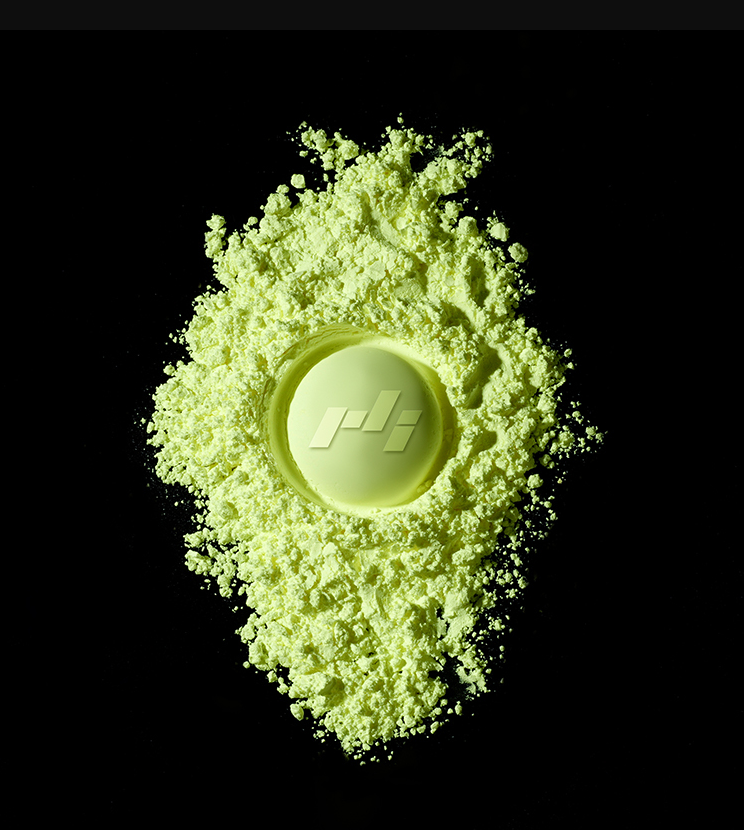
Manufacturers often notice that PVC products lose visual clarity after extrusion, molding, or long-term storage. Slight yellowing, uneven gloss, or dull surfaces may reduce the commercial value of pipes, panels, films, and decorative sheets. During production, heat exposure and resin formulation changes can influence final color consistency. Optical Brightener for PVC and Fluorescent Whitening Agent materials are frequently discussed in the plastics industry because they help adjust the visual appearance of finished PVC products without changing the structural composition of the polymer itself.
Color consistency matters in construction materials, household products, cable coatings, and packaging applications. Buyers usually compare products visually before checking technical specifications. A small color variation between batches may lead to additional sorting, higher rejection rates, or customer complaints. For this reason, many processors evaluate whitening additives alongside stabilizers and lubricants during formulation development.
PVC processing temperatures commonly range between 160°C and 210°C depending on product type and equipment settings. Under these conditions, resin degradation can slowly generate yellow tones. A Fluorescent Whitening Agent works by absorbing ultraviolet light and emitting blue-violet fluorescence, helping offset warm yellow shades that appear during processing. This optical effect supports a cleaner visual appearance without requiring excessive pigment loading.
Different PVC applications require different whitening strategies. Rigid PVC pipes may prioritize weather resistance and long-term color stability, while flexible PVC films often focus on transparency and brightness balance. Optical Brightener for PVC products used in decorative panels may also require compatibility with calcium-zinc stabilizers or lead-free systems.
Particle dispersion is one of the first technical concerns during formulation. Poor additive distribution may create streaks or uneven brightness across the surface. Manufacturers generally evaluate mixing methods carefully, especially in high-output extrusion lines. Uniform blending often depends on screw configuration, raw material particle size, and processing temperature stability.
Another consideration involves dosage control. Excessive addition does not always improve appearance. Overloading a Fluorescent Whitening Agent may create bluish reflections under certain lighting conditions. Small-scale laboratory testing is commonly performed before large production runs. Many factories begin with low concentrations and gradually adjust according to resin grade and target whiteness level.
Environmental exposure also influences long-term appearance. Outdoor PVC products experience ultraviolet radiation, moisture, and temperature cycling. Some whitening systems maintain visual consistency longer when combined with UV absorbers or light stabilizers. Processors producing window profiles, roofing sheets, or outdoor signage often evaluate accelerated aging performance before selecting an additive package.
Modern consumers increasingly pay attention to aesthetics in ordinary industrial products. White PVC drainage pipes, cable conduits, and decorative trims are no longer judged only by mechanical performance. Surface cleanliness and visual brightness affect purchasing decisions in retail and construction sectors. This shift has encouraged manufacturers to optimize appearance-related additives more carefully.
Production efficiency may also improve when whitening additives are properly matched with the resin system. Cleaner color appearance can reduce the need for secondary correction steps or pigment compensation. Some processors report lower material waste after improving formulation consistency, especially during continuous extrusion operations.
The interaction between stabilizers and whitening agents deserves attention as well. Certain metal-based stabilizers may influence fluorescence intensity. Calcium-zinc systems, organotin stabilizers, and mixed-metal packages can each affect the final visual result differently. Compatibility testing remains an important stage in formulation design.
Temperature control during processing has a direct impact on additive performance. Excessive residence time inside the barrel may accelerate thermal degradation and reduce whitening efficiency. Operators often monitor screw speed, melt pressure, and die temperature to maintain stable output quality. Even a small temperature fluctuation can influence final brightness in sensitive formulations.
PVC recycling trends are creating additional formulation challenges. Recycled PVC materials sometimes contain impurities, aged resin fragments, or residual pigments that influence color tone. A carefully selected Optical Brightener for PVC system may help compensate for slight discoloration in recycled blends while maintaining acceptable product appearance. This approach has become more relevant as sustainability targets increase across the plastics industry.
Packaging and storage conditions also affect additive stability. Moisture exposure, prolonged sunlight, and improper warehouse temperatures may influence powder flowability or fluorescence performance over time. Manufacturers usually recommend sealed storage conditions to maintain consistent processing behavior.
Some processors compare whitening agents with titanium dioxide loading strategies. Titanium dioxide provides opacity and whiteness, while fluorescent additives mainly influence optical perception. Many formulations combine both approaches to achieve balanced appearance and cost control. The ratio often depends on application requirements and desired visual tone.
International markets may also require compliance with environmental and safety regulations. PVC products used in consumer goods, medical tubing, or food-contact applications may require careful additive selection according to regional standards. Documentation, migration testing, and regulatory compatibility are increasingly important during sourcing decisions.
Automation has further changed formulation management in recent years. Smart dosing systems and computerized mixing equipment allow more precise additive feeding. This helps reduce batch variation and supports stable brightness levels across large production volumes. Digital quality monitoring systems can also track color deviations during manufacturing.
Market trends show rising demand for visually refined PVC products in interior decoration and appliance components. Gloss retention, smooth surfaces, and consistent color tone are now associated with manufacturing quality. A suitable Fluorescent Whitening Agent contributes to these appearance goals while supporting efficient production workflows.
Research continues to explore improved thermal resistance and broader compatibility for whitening additives. New formulations aim to maintain fluorescence under higher processing temperatures and longer service life conditions. This development is especially relevant for engineering PVC products exposed to demanding environments.
Choosing an additive package often involves balancing cost, performance, processing conditions, and final application requirements. Laboratory testing, pilot-scale trials, and real production feedback all contribute to final formulation adjustments. Instead of relying on a single additive, many manufacturers now focus on integrated systems that combine stabilizers, lubricants, pigments, and optical modifiers together.
PVC production remains highly competitive, especially in construction and industrial sectors where visual appearance can influence customer preference. Small improvements in brightness consistency or surface cleanliness may help manufacturers reduce rejection rates and maintain stable product quality across different production batches.

 English
 Arabic
 Spanish
 Portuguese
 Deutsch
 Turkish
 Dutch
Dutch
 Italiano
 Russian
 Romaian
 Portuguese (Brazil)
 Greek
Greek