


Why an MRI Scan is Essential for Comprehensive Whole-Body Screening
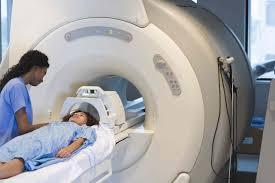
In today’s fast-paced world, health often takes a backseat until symptoms become impossible to ignore. However, modern medical technology offers a smarter approach—early detection through advanced diagnostics like the MRI scan. Whole-body MRI screening is emerging as a powerful preventive tool that enables individuals to gain a complete picture of their internal health in a single, non-invasive procedure.
An MRI scan (Magnetic Resonance Imaging) uses magnetic fields and radio waves to generate highly detailed images of organs and tissues. Unlike traditional imaging methods, it does not use radiation, making it a safer and more suitable option for regular health assessments. With whole-body MRI screening, physicians can detect a wide range of conditions early, often before symptoms develop.
A Breakthrough in Early Cancer Detection
One of the most compelling reasons to consider a whole-body MRI scan is its ability to detect cancer in its earliest stages. Cancer often develops silently, and by the time symptoms appear, it may already be advanced. MRI scans can identify abnormal masses or tumors across multiple organs, including the liver, pancreas, lungs, and soft tissues.
The high-resolution imaging of an MRI scan allows doctors to differentiate between benign and potentially cancerous growths. This early detection significantly improves the chances of successful treatment and can reduce the need for aggressive therapies. In many cases, catching cancer early can be life-saving.
Comprehensive Cardiovascular Evaluation
Heart and vascular diseases are among the leading causes of mortality worldwide. A whole-body MRI scan offers a detailed evaluation of cardiovascular health by examining the heart, arteries, and blood vessels. It can detect issues such as arterial blockages, vessel narrowing, and aneurysms.
By identifying these problems early, individuals can take preventive action—whether through medication, lifestyle changes, or further medical intervention. The MRI scan provides valuable insights into blood flow and heart function, enabling a proactive approach to managing cardiovascular risk.
Advanced Neurological Insights
The brain and spinal cord require precise imaging for accurate diagnosis, and the MRI scan excels in this area. Whole-body MRI screening can reveal abnormalities linked to neurological conditions such as multiple sclerosis, brain tumors, and degenerative disorders.
Because MRI technology is highly sensitive to soft tissue changes, it can detect inflammation, lesions, and structural irregularities that might not be visible through other imaging techniques. Early identification of neurological issues allows for timely intervention and better long-term outcomes.
Detecting Musculoskeletal Conditions
Musculoskeletal health is another critical area where an MRI scan proves invaluable. It provides detailed images of bones, joints, muscles, and ligaments, helping diagnose conditions such as arthritis, fractures, and soft tissue injuries.
For individuals experiencing chronic pain or mobility issues, MRI screening can uncover underlying causes that might otherwise remain undiagnosed. It is also beneficial for athletes, as it can detect minor injuries before they become severe, enabling quicker recovery and prevention of long-term damage.
In-Depth Organ Health Assessment
A whole-body MRI scan offers a thorough examination of major internal organs, including the liver, kidneys, pancreas, and lungs. Many diseases affecting these organs develop gradually and may not show symptoms until they are advanced.
MRI screening can detect abnormalities such as cysts, tumors, inflammation, or organ dysfunction at an early stage. This allows healthcare providers to initiate treatment promptly, reducing the risk of complications and improving overall health outcomes.
Safe, Non-Invasive, and Radiation-Free
One of the biggest advantages of an MRI scan is its safety profile. Unlike CT scans or X-rays, MRI does not expose the body to ionizing radiation. This makes it an ideal choice for individuals seeking regular screenings or those who require ongoing monitoring of existing conditions.
The procedure is non-invasive and generally painless, although it may require the patient to remain still for a period of time. Advances in MRI technology have also improved comfort and reduced scan times, making the experience more convenient than ever.
A Smart Investment in Preventive Health
Whole-body MRI screening represents a shift from reactive to preventive healthcare. Instead of waiting for symptoms to arise, individuals can take charge of their health by identifying potential issues early. This approach is particularly valuable for those with a family history of chronic illnesses or individuals seeking peace of mind about their health status.
While an MRI scan is a powerful diagnostic tool, it should complement—not replace—regular medical check-ups and a healthy lifestyle. Consulting with a healthcare professional can help determine whether this type of screening is appropriate based on personal health risks and goals.
Conclusion
The MRI scan has transformed the way we approach health diagnostics, offering a comprehensive and detailed view of the entire body. From early cancer detection and cardiovascular assessment to neurological evaluation and organ health monitoring, whole-body MRI screening provides unmatched insights.
As healthcare continues to evolve, embracing preventive measures like MRI scans can make a significant difference in long-term well-being. Choosing a whole-body MRI scan is not just about diagnosing illness—it’s about staying one step ahead and taking control of your health with confidence.

 English
 Arabic
 French
 Spanish
 Portuguese
 Deutsch
 Turkish
 Dutch
Dutch
 Italiano
 Romaian
 Portuguese (Brazil)
 Greek
Greek