


A Look Inside Solid Fuel Systems
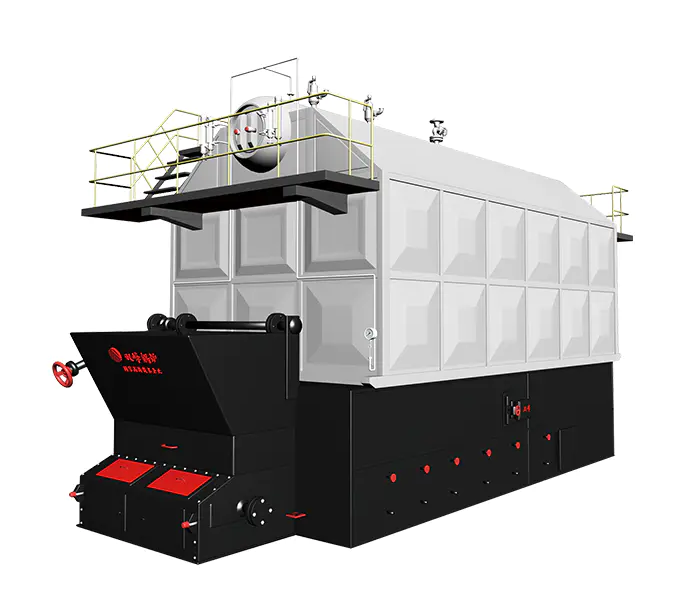
When discussing industrial heating solutions that require autonomy from gas networks, the Solid Fuel Steam Boiler remains a relevant workhorse in 2025. Unlike gaseous or liquid systems, these units rely on the combustion of physical materials such as coal, biomass pellets, wood chips, or agricultural waste. The engineering behind these systems focuses on managing the heterogeneity of solid fuels, which can vary widely in moisture content and calorific value.
A standard Solid Fuel Steam Boiler typically operates using a grate system. For example, a spreader stoker design projects fuel into the combustion chamber, where finer particles burn in suspension while heavier pieces fall to the grate for further burning. This two-stage process allows for a thermal efficiency range of 75-85%, depending on the ash content of the fuel. Key technical parameters to monitor include the flue gas exit temperature, which should remain below 200°C to prevent heat loss, and the carbon monoxide levels in the exhaust, which indicate incomplete combustion.
Modern configurations often utilize a water-tube design for high-pressure applications, handling up to 900 psi, or a fire-tube design for lower pressure, high-volume steam needs. The fuel feeding mechanism is a critical component; traveling grate or reciprocating grate systems help move the fuel through the furnace, allowing ash to be discharged continuously. For operators, the fuel's particle size is crucial—typical specifications recommend 6mm to 12mm for pelletized fuels to ensure proper airflow through the fuel bed.
The shift towards biomass has introduced new technical standards for these systems. A Solid Fuel Steam Boiler burning wood pellets requires a different air-to-fuel ratio than one burning bituminous coal. Specifically, biomass tends to have higher volatile matter, requiring a larger furnace volume to allow the gases time to burn completely. Many facilities are now retrofitting older coal units with new burners and grates to handle "agricultural waste," such as rice husks or palm kernel shells, which have a high silica content that can lead to slagging if combustion temperatures exceed 1,100°C. Proper insulation and automated de-ashing systems are necessary to maintain continuous operation in a 24/7 industrial environment.

 English
 Arabic
 French
 Spanish
 Portuguese
 Deutsch
 Dutch
Dutch
 Italiano
 Russian
 Romaian
 Portuguese (Brazil)
 Greek
Greek