


A Practical Guide to PEX Connections
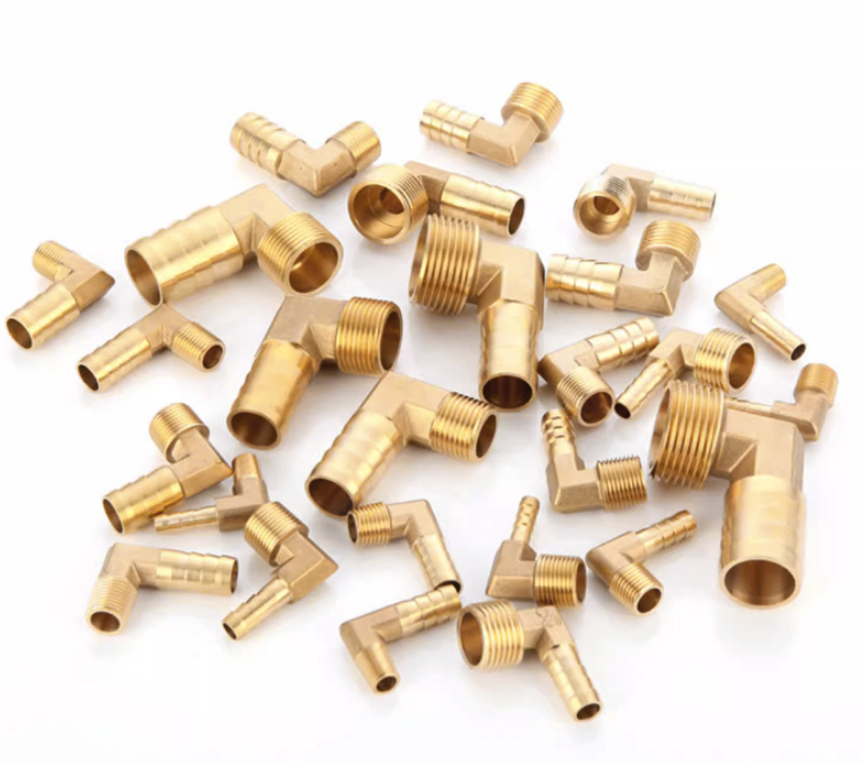
For decades, residential plumbing meant hauling heavy lengths of copper pipe, struggling with torches, and hoping a solder joint didn’t leak. The introduction of cross-linked polyethylene changed the workflow entirely. Today, PEX Pipe Fittings allow installers to navigate complex floor plans with fewer joints, which translates to lower risk of failure behind finished walls.
Understanding the technical standards is important for anyone planning a renovation. Not all connection methods are identical. For example, cold-expansion fittings (often following ASTM F1960 standards) utilize the material’s “shape memory.” You expand the tubing, insert the fitting, and the pipe naturally contracts to form a seal. This method often maintains a flow diameter similar to the pipe itself, reducing pressure drops. In contrast, crimp systems using ASTM F1807 standards involve a metal ring compressed over the pipe against a barbed insert. While both are reliable, the expansion method is frequently preferred in freezing climates because the connection can withstand the expansion of ice better than rigid alternatives.
When selecting PEX Pipe Fittings for a retrofit, you will also encounter push-to-connect variants. These are useful for spot repairs in tight spaces where swinging a crimp tool is impossible. However, preparation is critical. A common error is failing to deburr the pipe end. A rough edge can shave the O-ring inside a push fitting, leading to a slow drip weeks later.
Another technical consideration is the material of the fitting itself. You will find options in lead-free brass and engineered polymers like polysulfone (PSU). Brass offers rigidity, which is helpful for exposed installations like pump rooms. Polymer PEX Pipe Fittings are resistant to dezincification, a form of corrosion that can affect brass in aggressive water conditions. For gas applications, standards such as CSA B137.19 specify requirements for PEX used in fuel gas distribution, highlighting the material's versatility beyond just water. Always check the manufacturer's compatibility matrix before mixing metals and polymers to prevent galvanic reactions. Ultimately, a well-assembled PEX system using the correct insertion depth and pressure rating will outlast the building’s paint job.

 English
 Arabic
 French
 Spanish
 Portuguese
 Deutsch
 Turkish
 Dutch
Dutch
 Italiano
 Russian
 Portuguese (Brazil)
 Greek
Greek