


Compact Reactor Designs for Industrial Chemistry
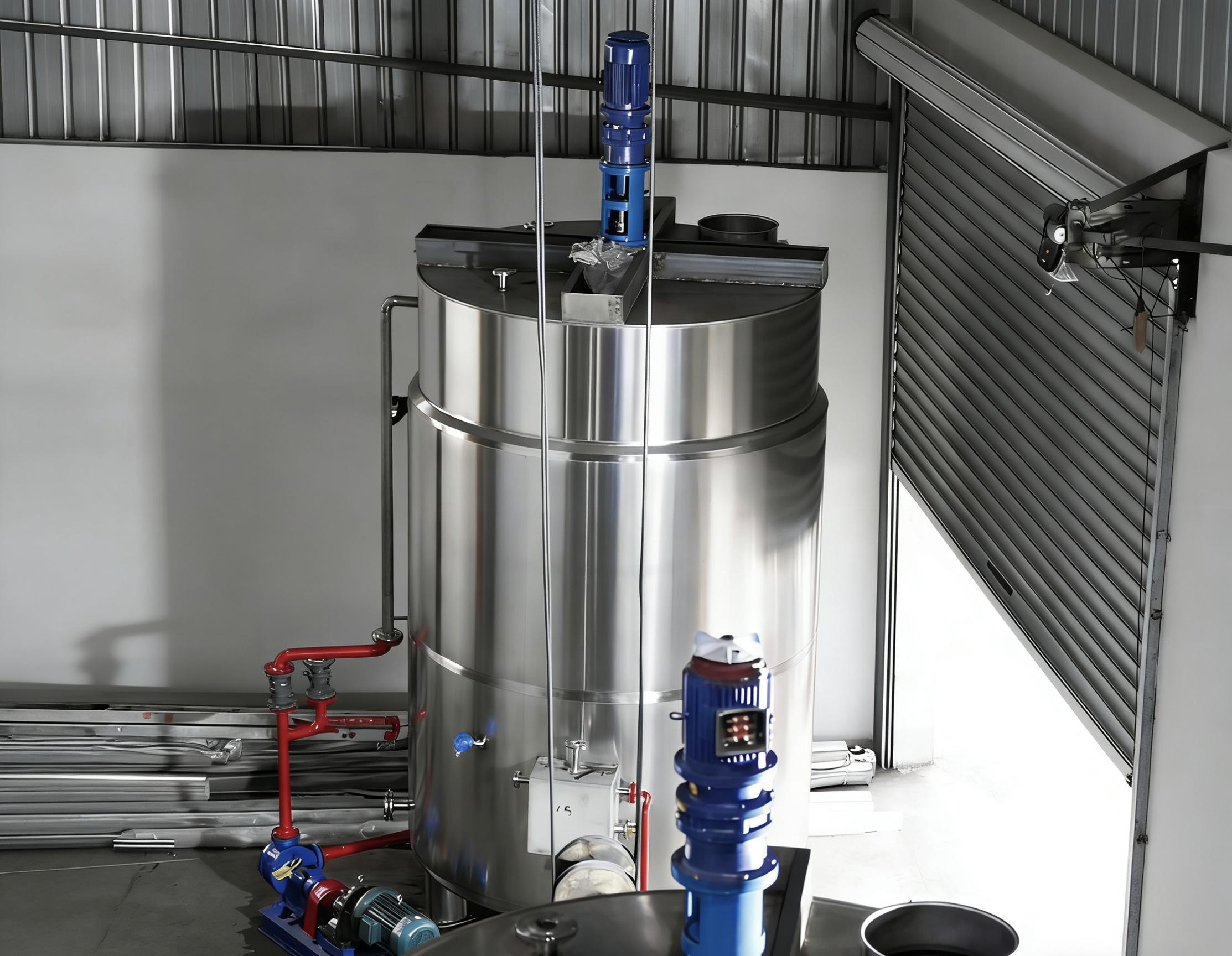
In modern chemical engineering, process intensification is becoming a key direction for improving reaction efficiency and reducing equipment footprint. One widely discussed approach is the High-Gravity Reaction System, which uses centrifugal force to simulate gravitational fields far stronger than Earth gravity.
In typical industrial setups, the system operates using a rotating packed bed (RPB) where rotational speeds can reach 800–2000 rpm, generating centrifugal accelerations of 100–1500 g. This significantly enhances gas–liquid and liquid–liquid mass transfer rates compared to conventional stirred tank reactors.
The main mechanism relies on liquid distribution across high-surface-area packing materials inside a rotating rotor. This creates thin liquid films with thicknesses often below 0.1 mm, which drastically reduces diffusion resistance. As a result, reaction rates in gas absorption or catalytic processes can increase by 1–3 orders of magnitude under optimized conditions.
Applications include desulfurization, solvent recovery, and fast exothermic reactions where heat removal is critical. Heat transfer coefficients in such systems can exceed 500–1000 W/m²·K, making temperature control more stable in highly reactive environments.
Industrial discussions often highlight that compact reactor size is another advantage. A High-Gravity Reaction System can replace traditional packed towers that are tens of meters tall with equipment occupying only a few square meters of floor space.
This transformation in reactor design demonstrates how centrifugal force is reshaping chemical processing efficiency and scalability.

 English
 Arabic
 French
 Spanish
 Portuguese
 Deutsch
 Turkish
 Dutch
Dutch
 Russian
 Romaian
 Portuguese (Brazil)
 Greek
Greek