


Engineering Aspects of Sofa Upholstery Materials
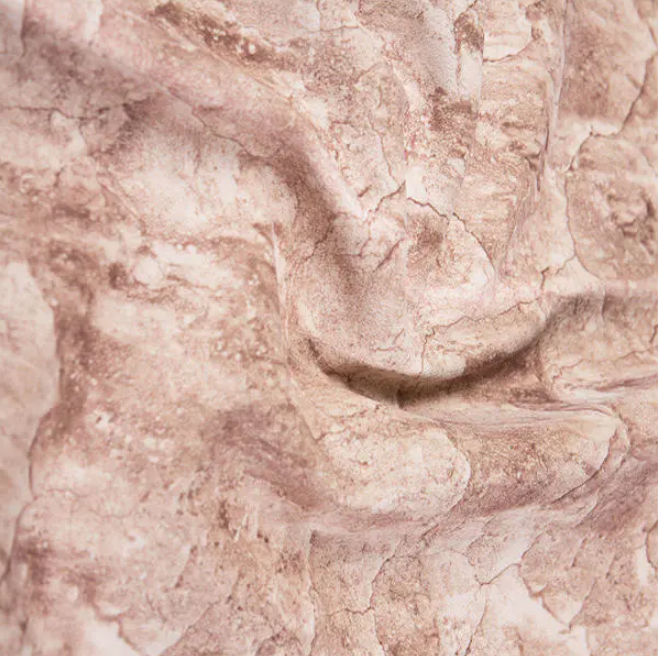
Modern furniture production relies heavily on engineered textiles that balance durability, appearance, and cost efficiency. Among these materials, polyester sofa fabric has become widely applied in residential and commercial seating due to its stable fiber structure and predictable performance characteristics.
Polyester is a synthetic polymer derived from petroleum-based compounds such as purified terephthalic acid (PTA) and ethylene glycol. The resulting fibers are extruded and spun into yarns that can be woven or knitted into upholstery textiles. A typical polyester upholstery fabric has a fiber diameter ranging from 10–25 microns, depending on finishing processes and yarn twist density.
One of the key technical advantages is tensile strength. Polyester fibers generally show tensile strength values between 3.5–6.0 g/denier, allowing them to withstand repeated compression and stretching in sofa seating applications. This makes polyester suitable for high-frequency use environments like living rooms, offices, and hospitality seating.
Another important parameter is abrasion resistance. In standardized Martindale testing, many polyester upholstery fabrics reach 30,000 to 100,000 cycles, indicating strong surface durability under friction conditions. This is particularly relevant for sofa cushions that experience constant body contact.
From a finishing perspective, polyester sofa fabric is often treated with anti-pilling and stain-resistant coatings. Pilling resistance is rated on a 1–5 scale, where higher-grade upholstery typically maintains a level 4 or above, reducing surface fuzz formation under repeated rubbing.
In terms of physical behavior, polyester has low moisture absorption, usually below 0.5%, which contributes to quick drying after cleaning. However, this also reduces breathability compared to natural fibers. Thermal conductivity remains relatively low, which helps maintain fabric shape stability under temperature variations.
Overall, polyester-based upholstery materials provide a balanced combination of mechanical strength, color retention, and production flexibility, making them a widely used option in modern sofa manufacturing systems.

 English
 Arabic
 French
 Spanish
 Portuguese
 Deutsch
 Turkish
 Italiano
 Russian
 Romaian
 Portuguese (Brazil)
 Greek
Greek