


Structural Features of Modern Lightweight Oil-Water Separation Units
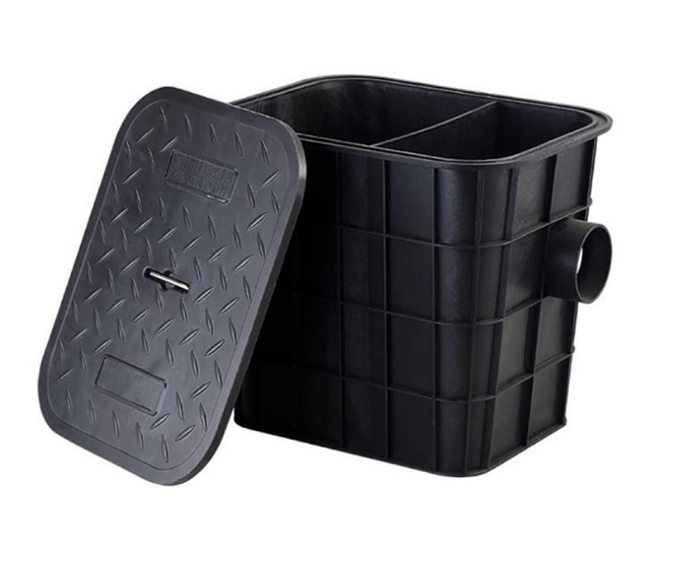
Industrial wastewater systems often require compact and corrosion-resistant solutions for separating oil, grease, and water mixtures. A Plastic Oil Water Separator is widely used in such applications due to its chemical resistance, lightweight structure, and ease of installation compared with metal-based systems.
The working principle relies on gravity separation combined with coalescence. Wastewater enters the inlet chamber at a controlled flow rate, typically between 5 m³/h to 200 m³/h, depending on system size. Inside the separation chamber, flow velocity is reduced to around 0.1–0.3 m/s, allowing oil droplets to rise due to density differences (oil density typically 0.85–0.95 g/cm³ vs water at 1.0 g/cm³).
Many plastic separators are built using HDPE, PP (polypropylene), or PVC materials, offering resistance to hydrocarbons and industrial chemicals. The internal structure often includes corrugated plate packs or lamella modules, which increase separation surface area by up to 10–15 times compared to open tank designs.
Typical performance parameters include:
Oil droplet removal size: ≥ 20–30 microns
Outlet oil concentration: below 30 mg/L in standard configurations
Operating temperature range: 0°C to 60°C
Pressure rating: atmospheric or low-pressure flow systems
In industrial environments such as vehicle washing stations, machinery workshops, and stormwater treatment systems, the Plastic Oil Water Separator is often installed as a pre-treatment unit before biological or filtration stages. The modular plastic structure allows skid-mounted or underground installation.
Maintenance is relatively simple. Oil accumulation is collected in a skimming chamber, while sludge settles at the bottom. Cleaning intervals depend on oil load, typically ranging from 1 to 3 months in moderate-use systems.
Due to its adaptability and stable hydraulic performance, plastic-based separation technology continues to be widely used in decentralized wastewater treatment systems.

 English
 Arabic
 Spanish
 Portuguese
 Deutsch
 Turkish
 Dutch
Dutch
 Italiano
 Russian
 Romaian
 Portuguese (Brazil)
 Greek
Greek