


Material Science Behind Nylon Zipper Tape Systems
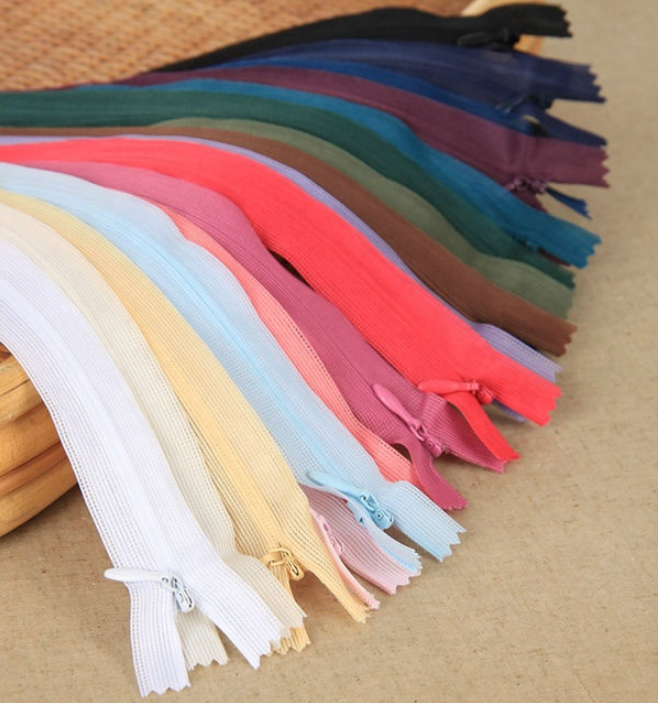
Nylon zipper tape is a fundamental component in modern fastening systems used across apparel, luggage, tents, and industrial enclosures. It serves as the structural base that supports the zipper chain and ensures smooth mechanical engagement during repeated opening and closing cycles.
From a manufacturing perspective, nylon zipper tape is typically constructed from polyester or nylon blended woven fibers with a denier range often between 210D and 840D, depending on application strength requirements. Higher denier values generally provide improved tensile resistance and reduced deformation under stress. The tape width usually ranges from 20mm for light-duty zippers to around 35mm for heavy-duty industrial applications.
The production process begins with weaving high-density warp and weft yarns to form a stable textile base. This base is then dyed, heat-set, and stabilized to ensure dimensional consistency. In many cases, surface treatments are applied to improve abrasion resistance or water repellency. These coatings may include polyurethane or acrylic finishes, especially for outdoor-grade products.
Once the tape is prepared, the zipper chain—often made from nylon monofilament coils—is attached through precision sewing or ultrasonic bonding. The flexibility of nylon zipper tape is one of its most important characteristics, allowing it to conform to curved seams without causing puckering or distortion. This is particularly useful in backpacks, sportswear, and automotive interior components.
Thermal stability is another key factor. Nylon zipper tape generally maintains structural integrity within a working temperature range of approximately -20°C to 120°C, although prolonged exposure to high heat may affect fiber elasticity. Moisture absorption is relatively low compared to natural fibers, typically under 4–7%, which helps maintain consistent performance in humid environments.
Another important aspect is stitching compatibility. Most nylon zipper tape is designed for standard industrial sewing machines using polyester threads in the Tex 40–Tex 70 range. Proper stitch density, usually around 3–4 stitches per centimeter, ensures secure attachment without damaging the tape structure.
Overall, nylon zipper tape functions as more than just a supporting fabric strip. It is an engineered material designed to balance flexibility, durability, and dimensional stability across a wide range of mechanical fastening applications.

 English
 Arabic
 French
 Spanish
 Portuguese
 Deutsch
 Turkish
 Dutch
Dutch
 Italiano
 Russian
 Portuguese (Brazil)
 Greek
Greek