


Effects of Wildfire Smoke on Human Health Explained
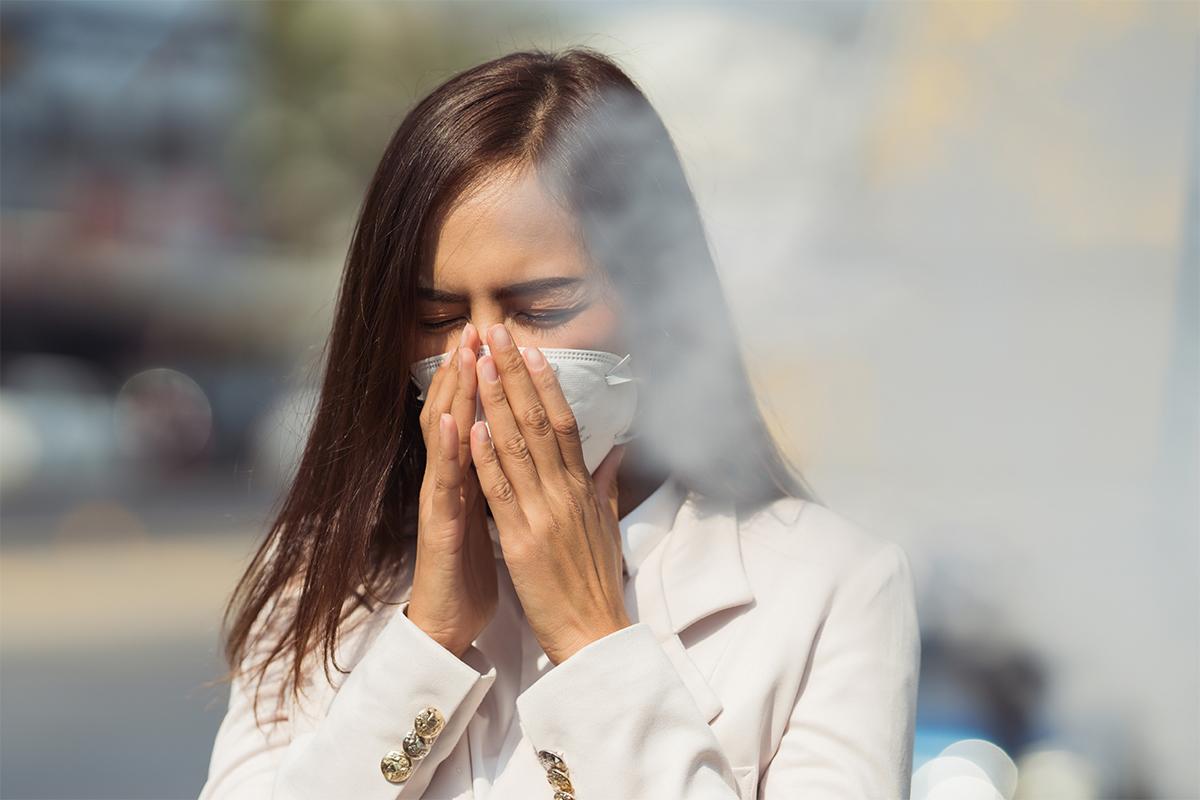
Wildfires are powerful natural events that can cause widespread damage to forests, homes, and communities. However, one of the most serious and often overlooked impacts of wildfires is smoke. Wildfire smoke can travel long distances and affect millions of people, even those far away from the fire itself. Understanding the effects of wildfire smoke on human health is important for staying safe and reducing health risks.
What Is Wildfire Smoke?
Wildfire smoke is a mixture of gases and tiny particles released when trees, plants, and other materials burn. It contains harmful substances such as carbon monoxide, volatile organic compounds, and fine particulate matter (PM2.5). These fine particles are especially dangerous because they are small enough to enter deep into the lungs and even reach the bloodstream, showing how Wildfires Smoke Affects human health and air quality in serious ways.
These tiny particles are small enough to enter deep into the lungs and, in some cases, pass into the bloodstream. This makes wildfire smoke a serious health concern, especially during prolonged exposure.
Why Wildfire Smoke Is Harmful
Wildfire smoke is harmful because it reduces air quality and introduces toxic substances into the body through breathing. Even short exposure can cause irritation, while long-term exposure can lead to more serious health conditions. The severity of effects depends on factors such as exposure time, air quality levels, and a person’s health condition.
Effects on the Respiratory System
Irritation of the Airways
One of the first and most common effects of wildfire smoke is irritation of the airways. People may experience coughing, sore throat, and a burning sensation in the nose and chest. These symptoms occur because smoke particles inflame the lining of the respiratory tract.
Difficulty in Breathing
Fine particles in wildfire smoke can make it harder to breathe. They reduce lung function and limit oxygen flow, especially during physical activity. People may feel shortness of breath or tightness in the chest.
Asthma and Lung Disease Flare-Ups
Individuals with asthma, bronchitis, or chronic obstructive pulmonary disease (COPD) are especially vulnerable. Wildfire smoke can trigger asthma attacks and worsen existing lung conditions, sometimes requiring emergency medical care.
Effects on the Heart and Circulatory System
Short-term exposure to wildfire smoke can cause immediate symptoms such as coughing, headaches, dizziness, and eye irritation. These effects usually improve once the person moves to cleaner air, and proper care from Xendo Health can help manage and reduce these symptoms effectively.
This can lead to increased blood pressure, irregular heartbeat, and a higher risk of heart attacks or strokes. Older adults and people with pre-existing heart conditions are at greater risk of these complications.
Effects on Eyes, Nose, and Throat
Wildfire smoke often causes irritation in the eyes, nose, and throat. Common symptoms include watery eyes, redness, itching, and a scratchy throat. These effects are usually temporary but can become more severe with prolonged exposure.
Short-Term Health Effects
Short-term exposure to wildfire smoke can cause immediate symptoms such as:
-
Coughing
-
Headaches
-
Dizziness
-
Eye irritation
-
Fatigue
-
Shortness of breath
These symptoms typically improve once a person moves to an area with cleaner air. However, repeated exposure can make symptoms worse over time.
Long-Term Health Effects
Long-term exposure to wildfire smoke is more concerning. Studies suggest that repeated exposure to fine particulate matter can lead to:
-
Reduced lung function
-
Chronic respiratory diseases
-
Increased risk of heart disease
-
Higher chance of hospital visits due to breathing issues
Although research is still ongoing, evidence shows that long-term exposure can have lasting effects on overall health.
Effects on Vulnerable Groups
Certain groups are more sensitive to wildfire smoke:
Children
Children breathe more air relative to their body size, making them more vulnerable to air pollution. Their lungs are still developing, so exposure to smoke can have long-term effects.
Older Adults
Older adults may have weaker immune systems and pre-existing health conditions, making them more likely to experience severe symptoms.
Pregnant Women
Pregnant women exposed to wildfire smoke may face risks that affect both their health and their baby’s development.
People with Chronic Illnesses
Individuals with asthma, heart disease, or diabetes are at higher risk of complications from smoke exposure.
Psychological and Mental Health Effects
Wildfire smoke can also affect mental well-being. Continuous exposure to smoky conditions, along with news of wildfires, can lead to stress, anxiety, and feelings of helplessness. People living in affected areas may also worry about their health, safety, and property.
How Wildfire Smoke Affects Daily Life
Outdoor Limitations
When air quality is poor, outdoor activities become unsafe. People are advised to avoid exercise, sports, and long periods outside.
School and Work Disruptions
Schools may close or switch to online learning, and outdoor jobs may be temporarily halted to protect workers.
Transportation Issues
Smoke can reduce visibility on roads, increasing the risk of accidents. Flights may also be delayed or canceled during severe smoke conditions.
Indoor Air Quality
Wildfire smoke can enter homes through windows, doors, and ventilation systems. Without proper air filtration, indoor air can also become unhealthy.
How to Protect Your Health
Stay Indoors
Staying indoors during heavy smoke conditions is one of the most effective ways to reduce exposure.
Use Air Purifiers
Air purifiers with HEPA filters can help remove fine particles from indoor air.
Wear Protective Masks
If you must go outside, wearing an N95 mask can reduce inhalation of harmful particles.
Monitor Air Quality
Checking air quality reports helps you plan outdoor activities safely.
Limit Physical Activity
Avoid strenuous exercise during smoky conditions to reduce inhalation of polluted air.
Long-Term Solutions
Addressing wildfire smoke requires long-term efforts such as better forest management, climate change mitigation, and improved emergency response systems. Public awareness campaigns are also important to educate people about health risks and safety measures.
Final Thoughts
The effects of wildfire smoke on human health are serious and wide-ranging. From breathing problems to heart risks and mental stress, smoke exposure can impact almost every part of the body. Even people far from wildfire zones can be affected due to how far smoke travels.
The good news is that simple precautions—such as staying indoors, using air filters, and wearing protective masks—can greatly reduce health risks. As wildfires continue to increase, understanding and preparing for their health effects is more important than ever for protecting individuals and communities.

 English
 Arabic
 French
 Spanish
 Portuguese
 Turkish
 Dutch
Dutch
 Italiano
 Russian
 Romaian
 Portuguese (Brazil)
 Greek
Greek