1. What Does Liver with High Iron Mean?
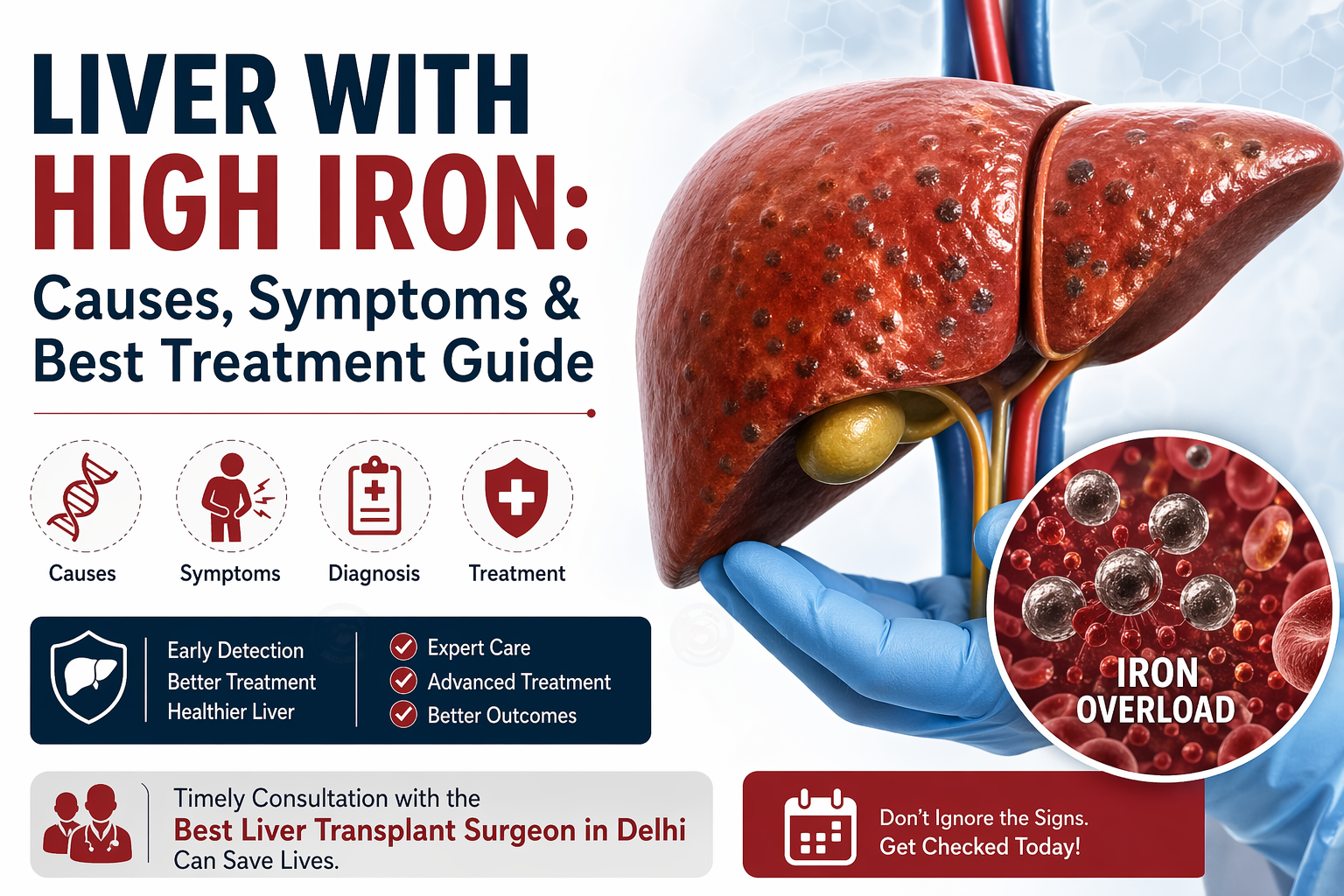
A liver with high iron means excess iron has accumulated inside liver tissues. Normally, your body stores small amounts of iron for future use. But if too much enters the body or too little leaves, the extra iron starts collecting in organs.
Think of your liver like a warehouse. It stores useful supplies, but if boxes keep piling up with no space left, the warehouse stops working properly. That’s exactly what excess iron does.
This condition is often linked with iron overload disorders or hemochromatosis.
2. Why Does Iron Build Up in the Liver?
Iron builds up when the body absorbs more iron than it needs. Unlike some nutrients, the body has no easy way to remove extra iron naturally.
The liver becomes the main storage site. Over time, these iron deposits create stress and inflammation, damaging liver cells.
Some people inherit this tendency through genes, while others develop it due to illness, supplements, or repeated blood transfusions.
3. Common Causes of High Iron in Liver
Hereditary Hemochromatosis
This is a genetic disorder where the body absorbs too much iron from food.
Repeated Blood Transfusions
People with conditions like thalassemia or severe anemia often need transfusions, which can increase iron levels.
Liver Diseases
Fatty liver disease, hepatitis, or alcohol-related liver damage may affect iron handling.
Excess Iron Supplements
Taking iron tablets without medical advice can lead to overload.
Metabolic Disorders
Some rare conditions can interfere with iron balance.
4. Risk Factors You Should Know
You may have a higher risk if you:
- Have a family history of iron overload
- Drink alcohol heavily
- Have chronic liver disease
- Need frequent blood transfusions
- Take iron supplements unnecessarily
- Have diabetes or obesity
Knowing your risk factors helps in early testing and prevention.
5. Symptoms of High Iron in Liver
One tricky part is that symptoms often appear slowly. Many people feel normal for years.
Common symptoms include:
Fatigue
Constant tiredness even after rest.
Abdominal Pain
Especially discomfort in the upper right side.
Joint Pain
Often in hands or knees.
Weakness
Low energy and reduced stamina.
Skin Changes
Bronze or gray skin tone in some cases.
Weight Loss
Unexplained loss of appetite or body weight.
Liver Enlargement
Sometimes the liver becomes swollen.
Because these signs are common in many illnesses, blood tests are important.
6. How Doctors Diagnose Iron Overload
Doctors usually combine symptoms, tests, and scans.
Blood Tests
These may include:
- Serum ferritin
- Transferrin saturation
- Liver function tests
Genetic Testing
Checks for inherited hemochromatosis.
MRI Scan
A special MRI can measure iron in the liver.
Liver Biopsy
In some cases, a small tissue sample is taken.
Early diagnosis can prevent long-term damage.
7. What Happens If It Is Ignored?
Ignoring high iron in the liver can lead to serious complications.
Liver Scarring (Cirrhosis)
Long-term damage forms scar tissue.
Liver Failure
The liver may stop performing vital functions.
Diabetes
Iron can affect the pancreas too.
Heart Problems
Excess iron may weaken the heart.
Liver Cancer
Risk increases when cirrhosis develops.
This is why timely treatment matters.
8. Best Treatment Options
Treatment depends on the cause and severity.
1. Phlebotomy (Blood Removal)
This is one of the most common treatments for hereditary iron overload. A small amount of blood is removed regularly, similar to blood donation. This lowers iron levels safely.
2. Iron Chelation Therapy
Medicines are used to bind extra iron and remove it from the body. This is often used for people who cannot undergo phlebotomy.
3. Treat the Underlying Cause
Managing hepatitis, fatty liver disease, or alcohol use can improve liver health.
4. Lifestyle Changes
Healthy diet, exercise, and avoiding alcohol can reduce liver stress.
5. Regular Monitoring
Follow-up blood tests help track improvement.
9. Foods to Eat and Avoid
Foods to Eat
- Fresh fruits
- Vegetables
- Whole grains
- Lean protein
- Plenty of water
Foods to Limit or Avoid
- Red meat in excess
- Iron-fortified foods
- Alcohol
- Raw shellfish
- Vitamin C supplements with iron-rich meals (can increase absorption)
You don’t need to fear food, but balance is key.
10. Can High Iron Be Reversed?
Yes, in many cases high iron can be controlled or reversed if caught early.
Once extra iron is removed, inflammation may reduce and the liver can heal. However, if severe cirrhosis has already formed, some damage may be permanent.
That’s why early testing is your best friend.
11. When Is Liver Transplant Needed?
A liver transplant is usually considered only in advanced cases when the liver is severely damaged or fails completely.
Situations may include:
- End-stage cirrhosis
- Liver failure
- Liver cancer in selected patients
- Severe complications not responding to treatment
If transplant becomes necessary, choosing an experienced specialist is critical. Many patients search for the best liver transplant surgeon in delhi because Delhi has advanced hospitals, expert teams, and modern transplant facilities.
12. Tips to Protect Your Liver
Here are simple steps you can start today:
- Get regular health checkups
- Avoid self-medication with iron supplements
- Limit alcohol
- Maintain healthy weight
- Exercise regularly
- Eat balanced meals
- Manage diabetes and cholesterol
- Ask for family screening if iron overload runs in your family
Small habits can create big protection.
13. Final Thoughts
A liver with high iron is more common than many people realize, and it often hides quietly until damage begins. The silver lining is that it can usually be diagnosed early with simple tests and managed effectively.
If you have fatigue, abnormal liver tests, or a family history of iron overload, don’t ignore the signs. Speak with a liver specialist, get tested, and take action early. Your liver works for you every day—return the favor by protecting it.
14. FAQs
1. Can high iron in the liver be cured?
It can often be controlled and significantly improved with treatment like phlebotomy, medicines, and lifestyle changes.
2. Is high iron in liver dangerous?
Yes, if untreated it can lead to cirrhosis, liver failure, diabetes, heart issues, or cancer.
3. What foods reduce iron levels naturally?
There is no magic food, but a balanced diet with fewer iron-rich processed foods and less red meat may help.
4. How do I know if I have iron overload?
Blood tests such as ferritin and transferrin saturation, along with scans, can diagnose it.
5. Should I see a specialist for high iron in liver?
Yes, a hepatologist or transplant expert can guide the best treatment plan, especially in advanced cases.




 English
 Arabic
 French
 Spanish
 Deutsch
 Turkish
 Dutch
Dutch
 Italiano
 Russian
 Romaian
 Portuguese (Brazil)
 Greek
Greek