



• What is the Link Between Diabetes and Cardiovascular Disease?
    What is heart disease

    Cardiovascular disease includes all disorders connected to the heart, i.e. stroke, blood vessel, and, the most common, coronary artery disease. Coronary artery disease is a result of plaque build-up on the walls of the arteries that supply oxygenated blood to the heart. 
    How high blood sugar affects your heart

    Another effect of high blood sugar is damage to blood vessels and nerves of your heart. This, coupled with the narrowing of arteries, causes high blood pressure. The combination of high BP and diabetes significantly increases the risk of heart disease
    What is the most important risk factor for cardiovascular disease?
    There are several habits that increase the risk of heart disease. Whether or not you’re diabetic, it is a good idea to observe the following Do’s and Dont’s:
    Stop smoking
    Ensure weight is in the normal range
    Avoid high-fat diets
    Don’t over-salt your food
    Moderate or avoid alcohol consumption
    1. Electrocardiogram (ECG)
    Electrocardiogram (ECG). This is a simple painless test that measures the electrical impulse of your heart—since the heartbeat is caused by the electrical impulse, this test tells the doctor if your heart is not beating properly.
    2. Echocardiogram
    Echocardiogram Also known simply as echo, the echocardiogram measures the thickness of your heart muscle and checks the efficiency of your heart’s pumping action.
    3. Stress Test
    Stress Test is the clinician will hook you up with sensors that measure your heart rate (as well as pulse) to determine how efficiently your heart functions when you are physically active.

    Browse full blog-
    https://www.freedomfromdiabetes.org/blog/post/what-is-the-link-between-diabetes-and-cardiovascular-disease/2645
    Contact us :-
    Mob : +91-7776077760
    Email-Id : info@freedomfromdiabetes.org
    Also connect with us on our website , Facebook page, and youtube
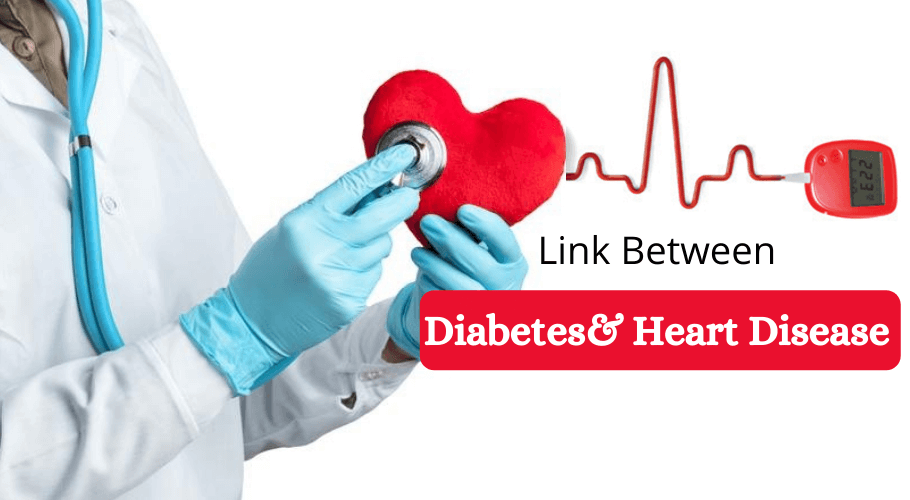
    What is the Link Between Diabetes and Cardiovascular Disease? What is heart disease Cardiovascular disease includes all disorders connected to the heart, i.e. stroke, blood vessel, and, the most common, coronary artery disease. Coronary artery disease is a result of plaque build-up on the walls of the arteries that supply oxygenated blood to the heart.  How high blood sugar affects your heart Another effect of high blood sugar is damage to blood vessels and nerves of your heart. This, coupled with the narrowing of arteries, causes high blood pressure. The combination of high BP and diabetes significantly increases the risk of heart disease What is the most important risk factor for cardiovascular disease? There are several habits that increase the risk of heart disease. Whether or not you’re diabetic, it is a good idea to observe the following Do’s and Dont’s: Stop smoking Ensure weight is in the normal range Avoid high-fat diets Don’t over-salt your food Moderate or avoid alcohol consumption 1. Electrocardiogram (ECG) Electrocardiogram (ECG). This is a simple painless test that measures the electrical impulse of your heart—since the heartbeat is caused by the electrical impulse, this test tells the doctor if your heart is not beating properly. 2. Echocardiogram Echocardiogram Also known simply as echo, the echocardiogram measures the thickness of your heart muscle and checks the efficiency of your heart’s pumping action. 3. Stress Test Stress Test is the clinician will hook you up with sensors that measure your heart rate (as well as pulse) to determine how efficiently your heart functions when you are physically active. Browse full blog- https://www.freedomfromdiabetes.org/blog/post/what-is-the-link-between-diabetes-and-cardiovascular-disease/2645 Contact us :- Mob : +91-7776077760 Email-Id : info@freedomfromdiabetes.org Also connect with us on our website , Facebook page, and youtube
    WWW.FREEDOMFROMDIABETES.ORG
    Unlocking the Connection: Understanding the Link Between Diabetes and Cardiovascular Health - Freedom from Diabetes
    Explore the intricate relationship between diabetes and cardiovascular disease, uncovering the intertwined factors, risks, and preventive measures in this insightful examination.
    0 Комментарии 0 Поделились 10 Просмотры 0 предпросмотр

  • Transseptal Access System Market Analysis: Current Trends and Insights

    The Transseptal Access System Market analysis reveals a dynamic landscape driven by the rising prevalence of cardiovascular diseases and increasing adoption of minimally invasive procedures. Transseptal access systems play a critical role in procedures like atrial fibrillation ablation and structural heart interventions, enabling precise catheter placement and reducing procedural complications. Technological innovations in device design, including steerable sheaths and improved catheter navigation, have significantly enhanced procedural safety and efficacy. As healthcare providers prioritize patient outcomes, these advancements have accelerated the market’s adoption across hospitals and cardiac care centers globally.

    Get Full Reports:https://www.marketresearchfuture.com/reports/transseptal-access-system-market-40224

    Moreover, emerging markets in Asia-Pacific and Latin America are witnessing robust growth due to expanding healthcare infrastructure, rising awareness of cardiac health, and increasing reimbursement support. Investments in research and development are fostering next-generation transseptal systems with enhanced imaging compatibility and ergonomic designs. Market stakeholders are increasingly focusing on product differentiation strategies, including value-added features and training programs for clinicians. The competitive landscape is shaped by collaborations, mergers, and acquisitions aimed at expanding regional presence and strengthening technological capabilities. The Transseptal Access System Market analysis
    indicates promising growth trajectories for both established and emerging players.

    FAQs:
    Q1: What is a transseptal access system?
    A1: It is a medical device used to create access through the atrial septum for cardiac procedures like ablation or structural interventions.

    Q2: Which procedures benefit from transseptal access systems?
    A2: Primarily atrial fibrillation ablation, left atrial appendage closure, and structural heart interventions.

    Q3: What factors are driving market growth?
    A3: Increasing cardiovascular disease prevalence, technological innovations, and expansion of healthcare infrastructure in emerging markets.
    Transseptal Access System Market Analysis: Current Trends and Insights The Transseptal Access System Market analysis reveals a dynamic landscape driven by the rising prevalence of cardiovascular diseases and increasing adoption of minimally invasive procedures. Transseptal access systems play a critical role in procedures like atrial fibrillation ablation and structural heart interventions, enabling precise catheter placement and reducing procedural complications. Technological innovations in device design, including steerable sheaths and improved catheter navigation, have significantly enhanced procedural safety and efficacy. As healthcare providers prioritize patient outcomes, these advancements have accelerated the market’s adoption across hospitals and cardiac care centers globally. Get Full Reports:https://www.marketresearchfuture.com/reports/transseptal-access-system-market-40224 Moreover, emerging markets in Asia-Pacific and Latin America are witnessing robust growth due to expanding healthcare infrastructure, rising awareness of cardiac health, and increasing reimbursement support. Investments in research and development are fostering next-generation transseptal systems with enhanced imaging compatibility and ergonomic designs. Market stakeholders are increasingly focusing on product differentiation strategies, including value-added features and training programs for clinicians. The competitive landscape is shaped by collaborations, mergers, and acquisitions aimed at expanding regional presence and strengthening technological capabilities. The Transseptal Access System Market analysis indicates promising growth trajectories for both established and emerging players. FAQs: Q1: What is a transseptal access system? A1: It is a medical device used to create access through the atrial septum for cardiac procedures like ablation or structural interventions. Q2: Which procedures benefit from transseptal access systems? A2: Primarily atrial fibrillation ablation, left atrial appendage closure, and structural heart interventions. Q3: What factors are driving market growth? A3: Increasing cardiovascular disease prevalence, technological innovations, and expansion of healthcare infrastructure in emerging markets.
    WWW.MARKETRESEARCHFUTURE.COM
    Transseptal Access System Market Size, Growth, Trends 2035
    Transseptal Access System Market growth is projected to reach 3.33 billion, at a 7.32% CAGR by driving industry size, share, top company analysis, segments research, trends and forecast report 2025 to 2035
    0 Комментарии 0 Поделились 2Кб Просмотры 0 предпросмотр
  • Rivaroxaban Market Analysis: Emerging Trends and Opportunities

    The global Rivaroxaban Market analysis has revealed a transformative phase in anticoagulant therapy, driven by the rising prevalence of cardiovascular diseases and deep vein thrombosis worldwide. Rivaroxaban, an oral factor Xa inhibitor, has gained immense traction due to its efficacy in preventing stroke and systemic embolism in patients with non-valvular atrial fibrillation. Healthcare professionals increasingly prefer rivaroxaban over traditional anticoagulants due to its predictable pharmacokinetic profile, fewer dietary restrictions, and minimal requirement for routine monitoring. The market has witnessed significant expansion, fueled by continuous innovation in drug formulations, increasing geriatric populations, and heightened awareness among patients about thromboembolic risks. Furthermore, strategic partnerships among pharmaceutical companies are enhancing distribution channels, thereby increasing accessibility in emerging economies.

    Get Full Reports:https://www.marketresearchfuture.com/reports/rivaroxaban-market-39326

    In terms of regional dynamics, the Rivaroxaban Market analysis underscores North America as a dominant region due to advanced healthcare infrastructure, strong research capabilities, and high adoption rates of novel anticoagulants. Europe follows closely, with regulatory support and increasing cardiovascular disease prevalence driving growth. Asia-Pacific is emerging as a lucrative market, propelled by rising healthcare expenditures, urbanization, and government initiatives to enhance cardiovascular care. Additionally, the market benefits from continuous clinical trials exploring rivaroxaban's potential in treating other conditions like pulmonary embolism and acute coronary syndrome. Overall, the evolving market landscape presents lucrative opportunities for stakeholders to leverage technological advancements, expand product portfolios, and tap into under-penetrated regions.

    FAQs

    Q1: What is rivaroxaban used for?
    A1: Rivaroxaban is primarily used to prevent blood clots, strokes, and systemic embolism in patients with atrial fibrillation, deep vein thrombosis, and pulmonary embolism.

    Q2: Why is rivaroxaban preferred over traditional anticoagulants?
    A2: It offers predictable dosing, fewer dietary restrictions, and requires minimal monitoring, making it convenient for patients and healthcare providers.

    Q3: Which region dominates the Rivaroxaban Market?
    A3: North America currently leads due to advanced healthcare infrastructure, high adoption rates, and strong research capabilities.
    Rivaroxaban Market Analysis: Emerging Trends and Opportunities The global Rivaroxaban Market analysis has revealed a transformative phase in anticoagulant therapy, driven by the rising prevalence of cardiovascular diseases and deep vein thrombosis worldwide. Rivaroxaban, an oral factor Xa inhibitor, has gained immense traction due to its efficacy in preventing stroke and systemic embolism in patients with non-valvular atrial fibrillation. Healthcare professionals increasingly prefer rivaroxaban over traditional anticoagulants due to its predictable pharmacokinetic profile, fewer dietary restrictions, and minimal requirement for routine monitoring. The market has witnessed significant expansion, fueled by continuous innovation in drug formulations, increasing geriatric populations, and heightened awareness among patients about thromboembolic risks. Furthermore, strategic partnerships among pharmaceutical companies are enhancing distribution channels, thereby increasing accessibility in emerging economies. Get Full Reports:https://www.marketresearchfuture.com/reports/rivaroxaban-market-39326 In terms of regional dynamics, the Rivaroxaban Market analysis underscores North America as a dominant region due to advanced healthcare infrastructure, strong research capabilities, and high adoption rates of novel anticoagulants. Europe follows closely, with regulatory support and increasing cardiovascular disease prevalence driving growth. Asia-Pacific is emerging as a lucrative market, propelled by rising healthcare expenditures, urbanization, and government initiatives to enhance cardiovascular care. Additionally, the market benefits from continuous clinical trials exploring rivaroxaban's potential in treating other conditions like pulmonary embolism and acute coronary syndrome. Overall, the evolving market landscape presents lucrative opportunities for stakeholders to leverage technological advancements, expand product portfolios, and tap into under-penetrated regions. FAQs Q1: What is rivaroxaban used for? A1: Rivaroxaban is primarily used to prevent blood clots, strokes, and systemic embolism in patients with atrial fibrillation, deep vein thrombosis, and pulmonary embolism. Q2: Why is rivaroxaban preferred over traditional anticoagulants? A2: It offers predictable dosing, fewer dietary restrictions, and requires minimal monitoring, making it convenient for patients and healthcare providers. Q3: Which region dominates the Rivaroxaban Market? A3: North America currently leads due to advanced healthcare infrastructure, high adoption rates, and strong research capabilities.
    WWW.MARKETRESEARCHFUTURE.COM
    Rivaroxaban Market Size, Share, Trends, Growth, Report 2035
    Rivaroxaban Market share is projected to reach USD 16.01 Billion By 2035, at a 6.32 % CAGR by driving industry size, top company analysis, segments research, trends and forecast report 2025 to 2035 | MRFR
    0 Комментарии 0 Поделились 2Кб Просмотры 0 предпросмотр