


Why Wabi Sabi Wall Art Is Perfect for Modern Minimalist Homes
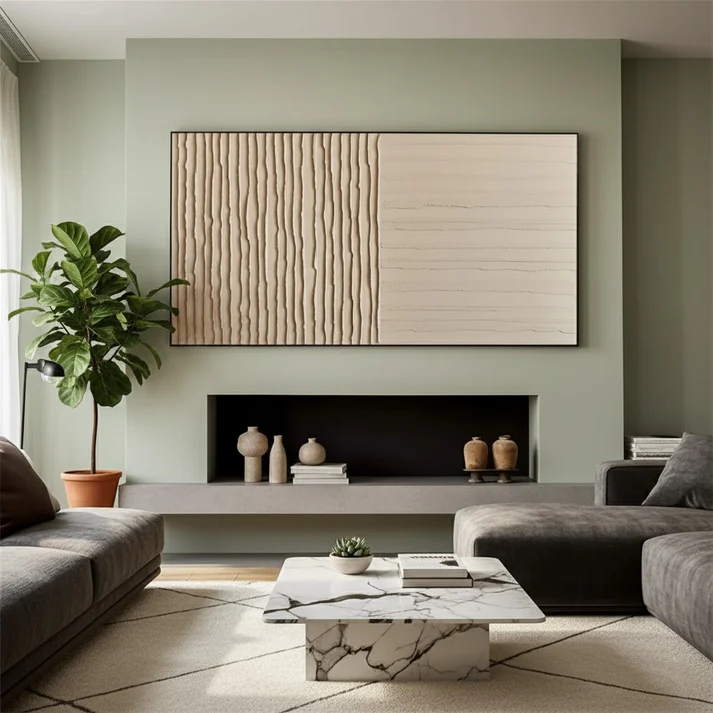
Modern interiors often focus on simplicity, clean lines, and carefully selected furniture. However, a minimalist room can sometimes feel too plain when there is little variation in texture or visual detail. This is where Wabi Sabi wall art can make a meaningful difference.
Inspired by Japanese aesthetics, Wabi Sabi celebrates imperfection, simplicity, natural materials, and the beauty of handcrafted details. Instead of relying on bright colors or complicated patterns, Wabi Sabi artwork creates visual interest through organic forms, muted tones, texture, and subtle variations. Artiquo’s collection follows this approach with textured minimalist artwork designed to add warmth and character without overwhelming an interior.
What Makes Wabi Sabi Wall Art Different?
Traditional decorative art often emphasizes symmetry, polished finishes, and bold visual statements. Wabi Sabi takes a different approach.
The style appreciates:
- Natural imperfections
- Organic shapes
- Neutral color palettes
- Handmade textures
- Raw and weathered finishes
- Simplicity
- Subtle visual depth
These characteristics make Wabi Sabi wall art particularly suitable for homeowners who want their interiors to feel calm and authentic.
Rather than becoming the loudest element in a room, the artwork works alongside the furniture, lighting, and architectural details.
Add Depth to Minimalist Walls
Minimalist design is not necessarily about having completely empty walls. It is about choosing fewer elements and making each one count.
A textured artwork can give a plain wall a sense of depth without introducing visual clutter. Rough surfaces, layered finishes, organic forms, and subtle shadows can make artwork more interesting as natural light changes throughout the day.
Artiquo describes textured minimalist wall decor as a way to introduce depth and character while maintaining a calm and uncluttered appearance.
This makes textured Wabi Sabi artwork a strong option for rooms where the existing furniture and accessories already follow a minimalist aesthetic.
Wabi Sabi Art for the Living Room
The living room is one of the best places to use a larger piece of Wabi Sabi wall art.
A statement artwork above a sofa can become the focal point of the room while maintaining a relaxed atmosphere. Choose artwork that complements the existing colors rather than trying to match every item exactly.
For example, a neutral sofa can be paired with artwork featuring:
- Warm beige
- Cream
- Taupe
- Soft gray
- Brown
- Charcoal
- Earth-inspired tones
The collection includes individual artworks as well as Wabi Sabi wall art sets, giving homeowners flexibility when decorating different wall sizes.
Create a Calm Bedroom
The bedroom should feel comfortable and peaceful, making it a natural environment for Wabi Sabi aesthetics.
Instead of using bright or highly detailed artwork, consider a textured composition with soft neutral colors. A large piece above the headboard can provide a visual anchor without making the room feel busy.
Pair it with natural bedding, wooden furniture, linen fabrics, and warm lighting to reinforce the organic character of the artwork.
Bring Warmth to a Home Office
Minimalist home offices can sometimes feel overly functional. Adding a Wabi Sabi artwork can introduce personality while maintaining a professional appearance.
Place a textured piece behind the desk or on a nearby wall. Organic shapes and neutral colors can provide visual interest without becoming distracting.
Wabi Sabi art also works well with natural wood desks, simple shelving, plants, and neutral office furniture.
Why Texture Matters
Texture is one of the most important elements of Wabi Sabi-inspired decor.
A completely flat artwork may provide color, but textured artwork adds another visual dimension. Surfaces inspired by plaster, rough brushwork, handmade materials, natural fibers, or weathered finishes can create subtle shadows and highlights.
Artiquo's collection specifically emphasizes natural textures, organic forms, muted designs, and tactile elements as part of its textured minimalist approach.
This allows homeowners to create a layered interior without relying on numerous decorative objects.
Wabi Sabi and Natural Materials
Wabi Sabi wall art pairs naturally with other organic materials.
Try combining artwork with:
Natural wood: Adds warmth and visible character.
Linen: Creates a soft and relaxed appearance.
Ceramics: Introduces handcrafted texture.
Stone: Provides an earthy foundation.
Woven materials: Add another layer of natural texture.
The key is balance. You do not need to use every material at once. Select a few complementary textures and allow the artwork to remain the focal point.
Choose Art Based on Your Space
Before purchasing Wabi Sabi artwork, consider the size and purpose of the wall.
A large empty wall may benefit from an oversized statement piece, while a smaller wall could work better with a single smaller artwork or coordinated set.
Also consider the furniture underneath the artwork. A piece above a large sofa should generally have enough visual presence to balance the furniture.
For taller walls, vertical artwork can also create a stronger sense of height. Artiquo's recent design guidance notes that vertical Wabi Sabi artwork can work especially well in Japandi and Wabi Sabi interiors, particularly when paired with muted palettes and textured surfaces.
Final Thoughts
Wabi Sabi wall art offers a simple way to make minimalist interiors feel warmer, more authentic, and more visually interesting.
Its combination of organic forms, neutral colors, natural textures, and imperfect beauty allows it to complement modern interiors without overwhelming them.
Whether you are decorating a living room, bedroom, dining area, or home office, a carefully selected Wabi Sabi artwork can turn an empty wall into a calm and sophisticated focal point.

 Arabic
 French
 Spanish
 Portuguese
 Deutsch
 Turkish
 Dutch
Dutch
 Italiano
 Russian
 Romaian
 Portuguese (Brazil)
 Greek
Greek