


Digital Printing on Fabric: Process, Benefits and Uses
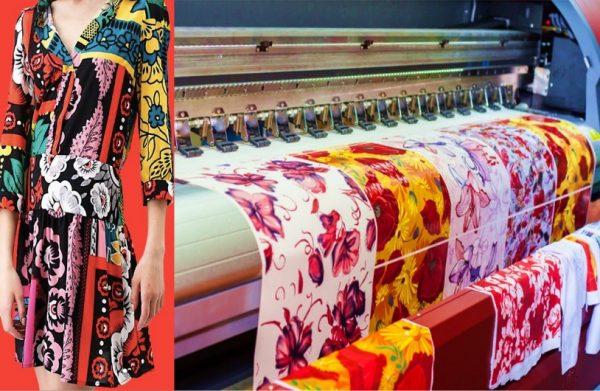
Digital printing on fabric is a textile printing process that applies digital artwork directly to fabric using specialized inkjet printing technology. Unlike conventional methods that may require screens, rollers, or engraved plates, digital printing uses a computer-controlled system to place tiny droplets of ink accurately on the textile. This allows manufacturers to reproduce detailed patterns, photographs, gradients, illustrations, logos, and customized artwork.
The use of Digital printing on fabric has grown in fashion, home décor, sportswear, advertising, interior design, and personalized textile products. It is especially useful for samples, short production runs, limited collections, and designs with many colors. However, producing a high-quality textile requires more than a capable printer. Fabric composition, ink selection, pretreatment, color management, fixation, and finishing all affect the final result.
What Is Digital Printing on Fabric?
Fabric printing is an inkjet-based method designed specifically for textile materials. A digital design is prepared on a computer and processed through printing software. The software converts the artwork into instructions that control the printer's print heads and ink delivery.
One important difference from screen printing is the lack of physical screens for individual colors. Digital equipment can reproduce complex color combinations directly from the digital file. This makes it suitable for photographs, detailed illustrations, gradients, and designs that would require extensive preparation with traditional methods.
However, not every fabric can be printed using the same process. Cotton, polyester, silk, nylon, viscose, and blended materials have different structures and chemical properties. The ink and finishing method must therefore be matched to the textile.
How Does Digital Fabric Printing Work?
Preparing the Artwork
The first stage is preparing the digital design. It may be a photograph, illustration, logo, repeating pattern, or custom graphic.
The artwork should be checked for resolution, dimensions, color settings, and pattern alignment before production. Repeating patterns need particular attention because incorrect alignment can create visible breaks when the design is repeated across a fabric roll.
Color management is also essential. The color displayed on a computer screen does not always match the shade produced on fabric. Professional production may use calibrated monitors, color profiles, printer calibration, and physical samples to improve color accuracy.
Preparing the Fabric
Fabric preparation depends on the selected ink technology. Some textiles require chemical pretreatment before printing.
Pretreatment helps control how ink interacts with the fibers. It can affect color intensity, image sharpness, ink penetration, and durability. Uneven pretreatment may cause differences in color or print definition across the fabric.
The material should also be clean, dry, and correctly positioned. Dust, moisture, wrinkles, and surface contamination can interfere with the printing process.
Applying the Ink
The prepared fabric passes through a digital textile printer. Its print heads release microscopic droplets of ink according to the digital artwork.
The machine controls the location and amount of ink applied to each area. Because the artwork remains digital, changes can be made without producing a new physical screen. This is particularly useful for customized products and smaller production runs.
Fixation and Finishing
Printing is usually followed by a fixation or curing stage, depending on the ink system.
Reactive dyes commonly require steaming to develop the color and bond it to suitable fibers. Disperse dyes used on polyester are generally fixed using controlled heat. Pigment inks normally require heat curing so that the binder securely holds the pigment to the fabric.
Some printed textiles are washed after fixation to remove unfixed dye and processing chemicals. The fabric is then dried and finished according to its intended use.
Types of Inks Used in Digital Textile Printing
Reactive Inks
Reactive inks are commonly used for cotton, linen, viscose, and other cellulosic fibers. During fixation, the dye forms a chemical bond with the fiber. When correctly processed, reactive printing can provide strong colors and good wash resistance.
Acid Inks
Acid inks are commonly used on silk, wool, nylon, and compatible fibers. They can produce vivid colors and fine details, making them suitable for selected fashion and premium textile applications.
Disperse Inks
Disperse inks are primarily used on polyester and related synthetic fabrics. Heat allows the dye to penetrate the fiber. This technology is widely used for sportswear, polyester garments, flags, and display textiles.
Pigment Inks
Pigment inks contain colored particles held to the textile with a binder. They can be used on various fabrics. The final softness, appearance, and durability depend on the pigment formulation, binder, fabric construction, and curing conditions.
Benefits of Digital Printing on Fabric
Detailed Artwork
Digital printing can reproduce fine lines, photographic images, gradients, shadows, and intricate patterns. A design can contain many colors without requiring a separate physical screen for each shade.
This makes digital technology useful for fashion collections, artistic textiles, photographic designs, and customized products.
Suitable for Short Production Runs
Digital printing reduces several setup requirements associated with conventional printing. This makes it practical for samples, prototypes, limited collections, and smaller orders.
For example, a fashion business can print several pattern variations in small quantities, assess the results, and then select the most successful designs for larger production.
Customization
Digital printing allows different artwork to be placed on individual products. Names, numbers, logos, photographs, and personalized patterns can be printed without preparing a separate screen for every variation.
This makes the technology useful for sports uniforms, customized apparel, promotional products, and made-to-order textiles.
Quick Design Changes
Digital artwork can be modified without changing physical printing equipment. Designers can alter colors, images, pattern sizes, and layouts and send the revised file directly to production.
Reduced Inventory Risk
Printing according to demand can reduce the amount of pre-printed fabric held in storage. This is particularly useful for seasonal products and designs that may become outdated quickly.
Applications of Digital Fabric Printing
Fashion and Apparel
Digitally printed textiles are used for dresses, shirts, scarves, skirts, jackets, and accessories. The process is especially useful for complex artwork and limited collections.
Home Décor
Curtains, cushion covers, bedding, table linens, and decorative fabrics can be printed with customized designs. Interior designers can create coordinated patterns for specific spaces.
Sportswear
Polyester sportswear can be printed with team names, player numbers, logos, graphics, and full-surface designs. Digital technology is useful when each garment requires different information.
Promotional Products
Companies use digitally printed textiles for banners, flags, exhibition graphics, branded backdrops, event decorations, and other promotional materials.
Art and Photography
Artists and photographers can transfer original work to fabric for wall displays, installations, garments, and decorative products. Digital printing allows detailed images to be reproduced without reducing them to a limited number of colors.
Choosing the Right Fabric
The fabric should be selected according to its intended application and the compatible printing technology.
Cotton is commonly used for clothing and household textiles. Polyester is widely used for sportswear, flags, and display materials. Silk is often chosen for premium garments and accessories, while nylon is used in selected technical and fashion applications.
Fabric construction also affects the final result. Weight, weave, surface texture, and finishing can influence ink absorption, color appearance, and image sharpness.
Blended fabrics require additional testing because different fibers may interact differently with the same ink. A small test print can help confirm compatibility before a large production order.
Practical Benefits and Key Insights
One of the strongest practical benefits of digital textile printing is the ability to test designs before making a large production commitment. A sample can reveal problems with color, pattern scale, image quality, fabric feel, or durability.
Testing is especially important when introducing a new fabric or ink combination. Settings that work well on one textile may produce different results on another.
Digital printing can also support on-demand manufacturing. Instead of storing large quantities of pre-printed fabric, businesses can produce material closer to the time it is needed.
Another important point is that print quality depends on the complete workflow. A high-quality printer cannot compensate for poor fabric preparation, incompatible ink, incorrect color management, or insufficient fixation.
Common Challenges and Considerations
Equipment Costs
Industrial textile printers can require considerable investment. Businesses also need to account for ink, maintenance, software, pretreatment, curing, washing, energy, and skilled labor.
Production Speed
Digital printing provides flexibility, but it may not be the most efficient choice for every large order. For very high volumes of simple repeating designs, rotary screen printing may offer better production efficiency.
Color Consistency
Maintaining consistent color requires control over fabric batches, printer calibration, ink formulation, pretreatment, environmental conditions, and finishing.
Durability
Print durability depends on the fabric, ink, fixation method, and finishing process. Garments may require strong resistance to washing and rubbing, while outdoor textiles may need resistance to sunlight and weather.
Production Waste
Errors in artwork, pretreatment, printing settings, or fabric handling can result in wasted material. Testing and quality control can reduce these risks.
Frequently Asked Questions
1. What is digital printing on fabric?
It is a textile printing process that transfers digital artwork directly onto fabric using specialized inkjet printers and textile-compatible inks.
2. Can cotton be digitally printed?
Yes. Cotton can be printed using suitable reactive or pigment printing systems. The required pretreatment and finishing depend on the selected technology.
3. Is digital printing suitable for small quantities?
Yes. It is well suited to samples, prototypes, customized products, limited collections, and short production runs.
4. How durable is digitally printed fabric?
Durability depends on the fabric, ink, pretreatment, fixation, and finishing process. Properly processed prints can provide good resistance to washing and everyday use.
5. Is digital printing better than screen printing?
It depends on the project. Digital printing is generally advantageous for detailed designs, customization, sampling, and short runs. Screen printing can be more economical for certain high-volume orders with simple artwork.
Conclusion
Digital printing on fabric has become an important textile production technology because it combines design flexibility with efficient short-run manufacturing. It allows businesses to produce complex patterns, photographic artwork, personalized products, and limited collections without many of the physical setup requirements associated with conventional printing.
The quality of the final textile depends on the entire production process. Selecting the correct fabric and ink, preparing the textile properly, managing color, applying suitable fixation, and completing the appropriate finishing treatment are all essential.
Digital printing is particularly valuable when customization, complex artwork, and production flexibility are priorities. Traditional methods may still be more suitable for certain high-volume orders with simple designs. By considering fabric type, design complexity, production quantity, durability, and total cost, manufacturers can select the printing method that best fits their specific requirements.

 English
 Arabic
 French
 Spanish
 Deutsch
 Turkish
 Dutch
Dutch
 Italiano
 Russian
 Romaian
 Portuguese (Brazil)
 Greek
Greek