


Modernizing Fabric QA: U.S. Crock Meter Market Expansion Trends Through 2027
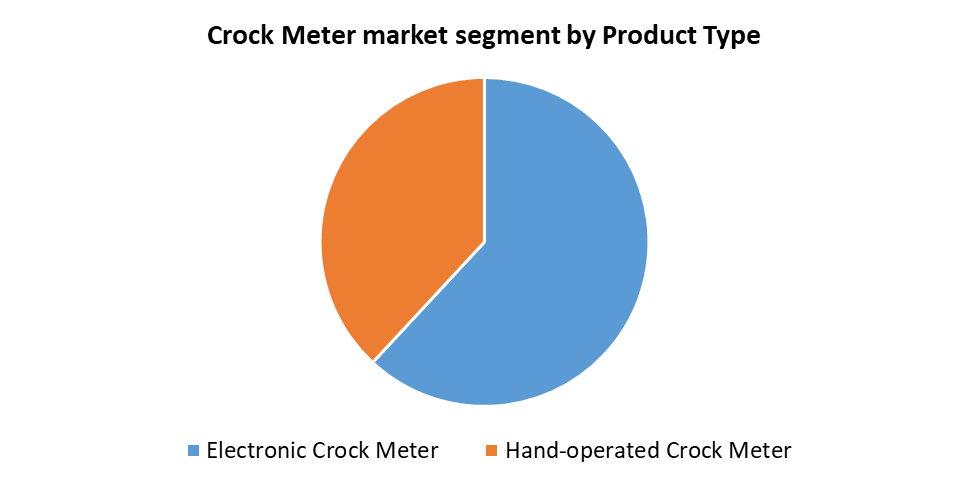
The United States Crock Meter Market is undergoing a profound technology-driven modernization. According to a comprehensive research report by Stellar Market Research, the market is expanding at a steady CAGR of 3.4%, powered by the rapid transition from manual testing apparatuses to high-precision electronic crocking instruments across laboratory testing environments.
The U.S. textile, leather, and materials testing landscape is experiencing a structural pivot from traditional, manual quality control methods to fully automated, sensor-driven quality assurance workflows. In response to shortening product lifecycles in fast fashion, expanding technical fabric applications in automotive interiors, and rising adoption of recycled and eco-dyed textiles, manufacturers are facing unprecedented scrutiny regarding color transfer, surface abrasion, and crocking resistance.
Crock meters—which apply standardized 9N downward force rubbing cycles to measure colorfastness under wet and dry conditions—have evolved from static benchtop tools into digitally integrated QA nodes. Laboratories across major industrial centers in California, Pennsylvania, Washington, North Carolina, and Georgia are replacing legacy hand-crank units with automated electronic models equipped with digital stroke counters, cloud data logging, and programmable force feedback. This technological evolution allows brands to mitigate costly product recalls, ensure compliance with AATCC Method 8/116 and ISO 105-X12 standards, and maintain strict brand integrity in highly competitive retail and commercial sectors.
Key Findings from the Report
-
Steady CAGR Expansion: The United States Crock Meter Market is projected to grow at a CAGR of 3.4% through the 2021–2027 forecast period, reaching sustainable multi-million-dollar valuations.
-
Dominant Product Segment: Electronic crock meters lead the market with a dominant revenue share and are recorded as the fastest-growing segment, propelled by demand for high-throughput testing and automated cycle accuracy up to 999,999 strokes.
-
Primary Application Hub: The textile industry accounts for the largest market share, driven by fast-fashion retail QA, activewear durability demands, and technical fabric innovations.
-
Accelerating Non-Textile Applications: The leather and synthetic coatings segments represent high-margin growth vectors, supported by automotive upholstery testing and micro-scratch assessments for industrial coatings.
-
Regional Concentration: Industrial manufacturing states including California, Pennsylvania, Washington, and Southeastern textile corridors dominate domestic instrument procurement.
-
Investment Relevance: Testing instrument manufacturers are prioritizing embedded microcontrollers and IoT-enabled diagnostic capabilities to capture market share among enterprise laboratory networks.
For further information, click the following link:https://www.stellarmr.com/report/req_sample/United-States-Crock-Meter-Market/581
Market Drivers and Restraints
Market Drivers
-
Stringent AATCC and ISO Compliance Mandates: Tightening quality regulations across apparel retail and automotive interiors require standardized 9N constant-pressure rubbing tests to prevent dye migration and fabric degradation.
-
Expansion of Technical & Automotive Textiles: Increasing use of synthetic leathers, coated fabrics, and smart textiles in vehicle upholstery and performance wear necessitates rigorous wet and dry crocking evaluation.
-
Transition to High-Speed Automated QA: Enterprise testing labs are replacing hand-operated crock meters with electronic digital systems to eliminate human operator error and accelerate sample throughput.
Market Restraints
-
High Initial Capital Outlay for Small-Scale Mills: Advanced digital and motorized crocking apparatuses present high capital expenditure barriers for small regional textile dye houses and independent testing facilities.
-
Fragmentation in Calibration Standards: Inconsistencies between legacy manual testing procedures and automated electronic parameters occasionally lead to calibration discrepancies, delaying laboratory harmonization.
Technology, Regulation, and Sustainability Trends
-
Digital Transformation & Industry 4.0 Integration: Modern electronic crock meters now feature automated stroke programming, digital LCD interfaces, and IoT telemetry for real-time data transmission to Laboratory Information Management Systems (LIMS).
-
Sustainability & Eco-Dyed Textile Testing: As brands shift toward plant-based dyes and recycled synthetic fibers, specialized crock meters are engineered with sensitive force control to evaluate color transfer on delicate, eco-friendly dye matrices without damaging fiber structures.
-
Regulatory Compliance Impact: Standardized testing protocols under ASTM, AATCC, and ISO guidelines are forcing supply chain partners to maintain certified, calibrated crocking equipment to validate international shipping compliance.
Regional Insights
The United States holds a commanding position within the North American market, fueled by strong corporate quality assurance infrastructure and strict consumer product safety laws.
-
Leading Industrial Hubs: States such as California and Pennsylvania represent primary revenue centers due to high concentrations of apparel design headquarters, consumer goods testing facilities, and industrial research laboratories.
-
Emerging Regional Corridors: Washington and the Southeastern textile manufacturing belt (including North Carolina and Georgia) are experiencing rapid adoption of electronic crock meters as regional suppliers upgrade testing equipment to align with global automotive interior and technical textile specifications.
Recent Industry Developments
-
SDL Atlas (2025): Launched the Crockmeter Rotary digital series featuring automated 9N/12N force feedback sensors, reducing laboratory testing cycle times by 35% across North American fabric testing facilities.
-
James Heal (2024): Introduced the Crockmaster Motorised Color Fastness Tester equipped with digital stroke counters and cloud-enabled compliance reporting, driving a 20% increase in enterprise lab automation adoption.
-
Presto Group (2025): Expanded its North American precision instrument distribution network through strategic partnerships with regional textile testing hubs, accelerating delivery and calibration service times by 40%.
-
Testex Instruments (2024): Unveiled an eco-calibrated electronic crock meter engineered specifically for recycled synthetic textiles and organic dyed fabrics, enhancing color rub sensitivity by 25%.
-
Atlas Material Testing Technology (2025): Integrated AI-assisted color change vision analytics directly into automated rotary crock meters, allowing instantaneous ASTM rub fastness grading without manual human visual assessment.
For further information, click the following link:https://www.stellarmr.com/report/req_sample/United-States-Crock-Meter-Market/581
Competitive Landscape
The United States Crock Meter Market features a mix of specialized laboratory equipment manufacturers and semiconductor/component providers that supply underlying digital counters and sensor modules. Key market leaders include:
-
SDL Atlas
-
Presto Group
-
James Heal
-
Testex
-
Analog Devices, Inc.
-
Microchip Technology
-
Texas Instruments Incorporated
-
Maxim Integrated
Leading players are actively investing in digital sensor integration, motorized rub arm precision, and compact benchtop designs to strengthen their footprint across commercial testing and academic research sectors.
Analyst Commentary
"The U.S. market for crock meters is transitioning from simple physical rub testers into smart, data-connected quality assurance instruments," stated a Senior Research Analyst at Stellar Market Research. "As fast fashion and technical textiles face mounting regulatory oversight regarding dye safety and durability, automated crocking instruments provide the repeatable precision required to meet strict AATCC and ISO benchmarks while drastically reducing human error in laboratory reporting."
Future Outlook
Through the remainder of the forecast period, the United States Crock Meter Market is expected to maintain steady growth, propelled by continuous innovations in smart textiles, automotive upholstery, and non-destructive surface testing. As automated testing becomes standard across enterprise quality assurance workflows, instrument manufacturers that offer cloud connected, multi-norm compliant electronic crock meters will secure a decisive competitive advantage in the domestic laboratory equipment sector.
About Stellar Market Research
Stellar Market Research is a multifaceted market research and consulting company with professionals from several industries. Some of the industries we cover include medical devices, pharmaceutical manufacturers, science and engineering, electronic components, industrial equipment, technology and communication, cars and automobiles, chemical products and substances, general merchandise, beverages, personal care, and automated systems. To mention a few, we provide market-verified industry estimations, technical trend analysis, crucial market research, strategic advice, competition analysis, production and demand analysis, and client impact studies.
Address
Phase 3, Navale IT Zone, S.No. 51/2A/2, Office No. 202, 2nd floor, Near, Navale Brg, Narhe, Pune, Maharashtra 411041
Email
sales@stellarmr.com
Mobile
+91 9607365656

 English
 Arabic
 Spanish
 Portuguese
 Deutsch
 Turkish
 Dutch
Dutch
 Italiano
 Russian
 Romaian
 Portuguese (Brazil)
 Greek
Greek