


High Performance Low Power Semiconductor Innovations Supply Next Generation Embedded Storage Infrastructure
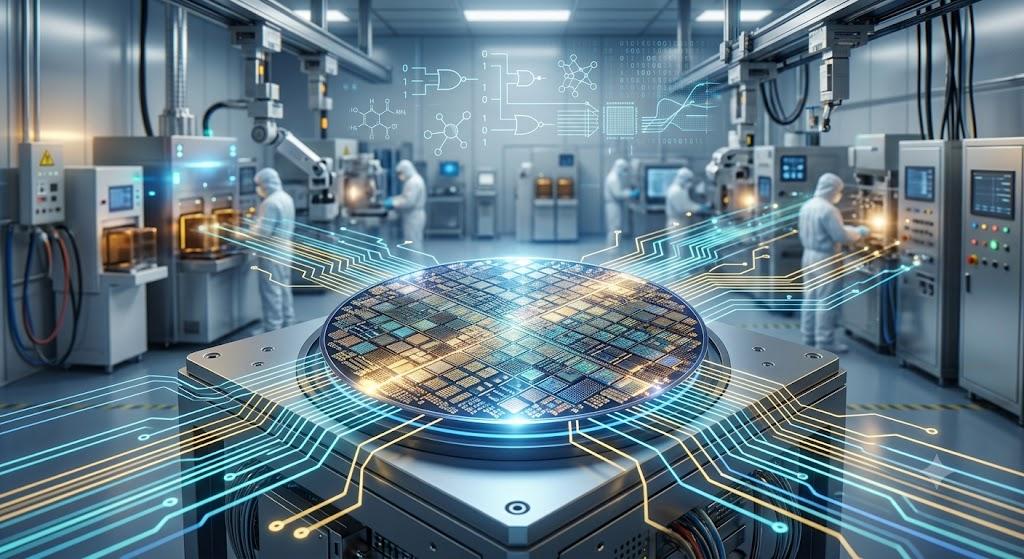
Modern high-density electronic systems face severe operational challenges—including data loss during power outages, slow write cycles, and excessive power consumption—making advanced ferroelectric devices an essential Fram Market Solution for critical computing hardware. Traditional non-volatile memories such as Flash and EEPROM require high write voltages and lengthy erase cycles that introduce write latency and consume substantial energy. FRAM eliminates these operational bottlenecks by providing nanosecond-level write access, enabling real-time data capture without requiring system hold-up power or bulky external capacitors.
In mission-critical automotive and aerospace applications, instantaneous data preservation solutions prevent catastrophic system failures and loss of diagnostic history. When an electronic control unit experiences an unexpected power loss during vehicle operation, onboard sensor data must be written to non-volatile memory within milliseconds. FRAM’s fast write speeds allow microcontrollers to store all operational registers, error codes, and sensor parameters instantaneously as system voltage drops, guaranteeing complete data integrity upon system reboot.
For remote battery-powered field sensors and energy-harvesting IoT nodes, low-power memory solutions overcome severe power budget constraints. Wireless environmental monitors often operate on micro-watts of harvested energy generated by ambient light, thermal gradients, or mechanical vibrations. Because conventional non-volatile memory write cycles draw heavy current spikes that drain tiny energy reserves, FRAM’s low write-energy profile allows sensors to perform continuous data logging while operating purely on harvested ambient energy, eliminating battery replacement maintenance overhead entirely.
Looking forward, software-configurable non-volatile memory blocks and unified memory architectures will represent the next major technical milestone. Future microcontroller architectures will utilize ferroelectric memory as a unified pool that functions dynamically as both working RAM and non-volatile code storage. As material scientists refine ferroelectric field-effect transistors (FeFET) and 3D ferroelectric architectures, these low-power memory solutions will serve as foundational building blocks for next-generation edge-AI chips, neuromorphic computing, and ultra-reliable embedded systems globally.
Top Trending Reports :
High Speed Data Converter Market
Home Security Products Solutions Market
Home Theater Audio System Market

 English
 Arabic
 French
 Spanish
 Portuguese
 Deutsch
 Turkish
 Italiano
 Russian
 Romaian
 Portuguese (Brazil)
 Greek
Greek