


The Right Way to Match Textured Rugs with Furniture and Flooring
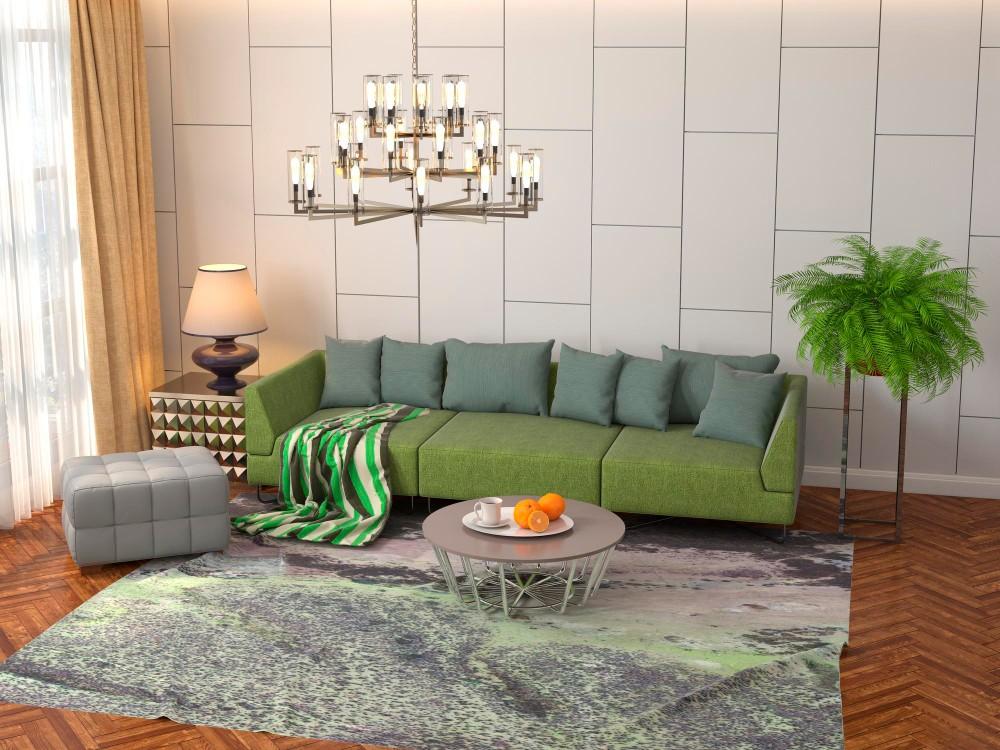
Match textured rugs with furniture by balancing visual weight—pair bold textures with simple furniture and neutral textures with busy or patterned pieces. Always factor in your flooring color and material. When you buy rugs, assess your space first to avoid mismatches that disrupt the room's overall look.
A textured rug does more than cover your floor. It adds depth, warmth, and character to a room in ways that paint or furniture alone simply cannot. But the wrong rug can throw off an entire space—clashing with your sofa, competing with your flooring, or shrinking a room that should feel open.
Getting it right takes more than picking a rug you like in a catalog. You need to understand how texture, color, and scale interact with the elements already in your room. This guide walks you through exactly that—so when you buy rugs, you make a choice you'll be happy with for years.
What Makes a Rug "Textured"?
Texture in a rug comes from three things: weave pattern, pile height, and material composition.
Pile height refers to how long the fibers are. High-pile rugs like shaggy styles feel plush underfoot and add a cozy, casual feel. Low-pile rugs—flat weaves and loop piles—are sleeker and work better in formal or high-traffic areas.
Weave patterns affect how light hits the rug's surface. Hand-knotted and hand-tufted rugs tend to have more visual complexity than machine-made ones.
Material plays a big role too. Wool holds its texture well over time. Silk adds sheen and a finer texture. Cotton is flatter and more casual.
Among the most sought-after options globally, handmade rugs in India—particularly from Bhadohi, the country's largest hub of hand-knotted carpet weaving—offer some of the highest-quality textures available. Brands like The Ambiente, based in Bhadohi with deep roots in traditional craftsmanship, work with thousands of skilled artisans to produce rugs with rich, durable textures that machine-made alternatives simply cannot replicate.
How to Assess Your Space Before You Buy Rugs
Before browsing any collection, spend time evaluating what you already have.
What furniture style and color palette are you working with?
Look at your sofa, chairs, and tables as a group. Are they modern and clean-lined, or more traditional and ornate? Are the colors muted and neutral, or bold and saturated? The answers directly shape which rug texture will work.
What type of flooring do you have?
Light wood, dark hardwood, tile, stone, and concrete all respond differently to rug textures. Take note of your floor's tone and sheen level.
How does light move through the room?
Natural light changes how texture reads throughout the day. A high-pile rug in a dim room can feel heavy. The same rug in a bright, sun-lit space might feel cozy and inviting.
Matching Textured Rugs with Furniture
Pairing bold textured rugs with minimalist furniture
Minimalist furniture—think clean lines, simple silhouettes, and a restrained color palette—gives you room to use a bolder rug texture. A chunky hand-knotted wool rug or a high-pile shag in a natural tone adds visual interest without competing with the furniture. The rug becomes the focal point.
Using neutral textured rugs with patterned or colorful furniture
If your furniture already makes a statement—floral upholstery, rich jewel tones, mixed materials—keep the rug texture subtle. A flat weave or low-pile rug in a neutral hue (ivory, warm grey, sand) lets the furniture shine while the rug still adds warmth underfoot.
Getting the scale right
Scale matters as much as texture. A small rug under a large sectional looks like an afterthought. As a general rule, the rug should extend at least 6–8 inches beyond the furniture on each side. In open-plan living spaces, use larger rugs to anchor the seating area and define the zone clearly.
Avoiding texture clashes
Mixing textures is good design. Mixing too many competing textures is not. If your sofa has a chunky knit throw and a tufted surface, pair it with a flatter rug to avoid visual noise. Smooth furniture—leather, polished wood, lacquered finishes—pairs well with more expressive rug textures.
Coordinating Textured Rugs with Flooring
Light wood flooring
Light wood tones (oak, ash, maple) pair best with warm-toned rugs—think terracotta, warm beige, rust, or honey gold. A textured wool rug in these tones creates a layered, natural look. Avoid very pale rugs on light floors, as they can blend in and disappear.
Dark wood or dark tile flooring
Dark floors create strong contrast. Use this to your advantage by choosing a textured rug in a lighter or medium tone. An ivory flat-weave or a hand-knotted rug in soft grey will stand out clearly without overwhelming the room.
Stone and tile flooring
Tile and stone have their own texture. To avoid visual competition, choose rugs with a low to medium pile and a clean pattern. The rug's job here is to soften the hardness of the floor, not add more complexity on top of it.
Creating transitions between flooring areas
Open-plan homes often have flooring that changes between kitchen, dining, and living areas. Use rugs to mark these transitions cleanly. A textured rug in the living area that shares tonal qualities with the kitchen tile, for example, creates flow rather than visual fragmentation.
Practical Tips When You Buy Rugs
Test before you commit. Many quality rug retailers—including The Ambiente—offer the ability to view samples or trial options. Seeing a rug in your actual space, under your lighting, next to your furniture, is far more reliable than a screen.
Think about foot traffic. High-traffic areas need durable textures. Hand-knotted wool rugs handle heavy use well and maintain their structure over time. High-pile shag rugs work better in low-traffic spaces like bedrooms.
Factor in maintenance. Long-pile rugs trap more dust and require more frequent vacuuming. Flat weaves are easier to clean and suit households with pets or children.
Consider longevity over trends. Trends shift. A well-made textured rug in a classic weave and a neutral or earthy tone will work across multiple furniture changes over the years.
Make the Right Choice for Your Space
Matching textured rugs with furniture and flooring is not guesswork—it follows clear principles once you understand how texture, scale, and color interact. Assess your space honestly, balance bold with simple, and always factor in your flooring's tone and material.
When you buy rugs, quality should be a priority. Handmade rugs in India, especially those crafted in the Bhadohi tradition, offer durability, authentic texture, and craftsmanship that hold up over decades. A brand like The Ambiente—founded in Bhadohi with over 30 years of manufacturing heritage through parent company Bhadohi Carpets—offers handcrafted silk and wool rugs made by skilled artisans, many of whom are women weavers contributing to a sustainable livelihood network.
A well-chosen rug ties a room together. Take your time, apply these principles, and invest in something that will last.
Frequently Asked Questions
What type of textured rug works best for high-traffic areas?
For high-traffic areas like hallways, entryways, and living rooms, low-pile or flat-weave rugs in durable materials like wool are the best choice. They handle heavy use without matting down and are easier to clean than high-pile options.
How do I know what size textured rug to buy for my living room?
The rug should fit under the front legs of all major seating pieces, or ideally extend under all furniture legs. For a standard living room, an 8x10 ft or 9x12 ft rug is a common starting point. Always measure your space before you buy rugs.
Are handmade rugs in India better quality than machine-made rugs?
Handmade rugs in India—particularly hand-knotted wool and silk rugs from Bhadohi—are generally more durable, more detailed in texture, and longer-lasting than machine-made alternatives. The density of knots and the quality of natural fibers contribute to a rug that wears well over decades.
Can I put a textured rug on top of carpet?
Yes, but keep it simple. Use a low-pile or flat-weave rug to avoid instability. Avoid placing a high-pile rug on thick carpet, as it creates an uneven surface that is both impractical and visually awkward.
How do I match a rug color to my flooring without making the room look flat?
Choose a rug tone that is two to three shades lighter or darker than your floor. This creates enough contrast to define the rug without creating a jarring visual break. For warm-toned wood floors, lean into earthy rug tones. For cool-toned tile or stone, use rugs in soft greys, blues, or natural cream.
What is the difference between hand-knotted and hand-tufted rugs?
Hand-knotted rugs are made by tying individual knots onto a foundation—a labor-intensive process that results in exceptional durability and intricate texture. Hand-tufted rugs are made by punching yarn through a backing material, making them faster to produce and generally less expensive. Hand-knotted rugs from regions like Bhadohi, India, typically last much longer.

 English
 Arabic
 French
 Spanish
 Portuguese
 Deutsch
 Turkish
 Dutch
Dutch
 Russian
 Romaian
 Portuguese (Brazil)
 Greek
Greek