


Loose Door Handles & Faulty Locks? A Complete Locksmith Maintenance Guide for Dubai
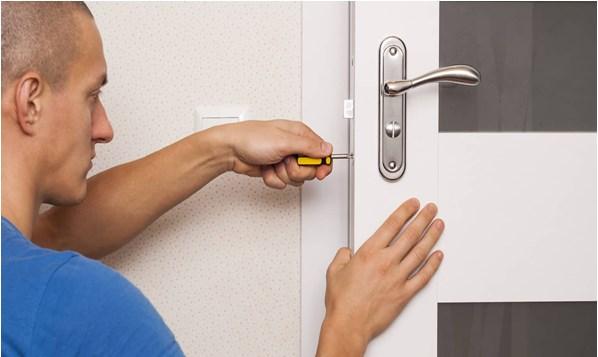
In a city like Dubai, door hardware works harder than most people realize. Between constant air conditioning, fine desert dust, humidity near the coast, and daily wear from busy homes and commercial spaces, locks and handles often fail much earlier than expected.
What starts as a small issue — a slightly loose handle or a stiff key — can quickly turn into a broken lock, a late-night lockout, or even a security risk.
The good news is that most problems are preventable with regular maintenance and early action.
This expert guide walks you through everything you need to know: why locks fail, warning signs to watch for, safe DIY care, and when it’s time to call a professional dubai locksmith. If you live or work in Dubai, these practical tips can save you time, stress, and emergency repair costs.
Why Locks and Handles Fail Faster in Dubai
Lock systems are mechanical devices. Like any mechanical part, they degrade over time. However, Dubai’s environment speeds up this process.
Heat Expansion and Contraction
Extreme temperature changes cause metal parts to expand during the day and contract at night. Over time, this movement loosens screws, shifts alignment, and affects internal components.
Dust and Sand Infiltration
Fine sand particles are small enough to enter cylinders and latches. Once inside, they interfere with pins and springs, creating stiffness and grinding sounds.
Humidity and Moisture
Bathrooms, kitchens, and coastal areas increase moisture exposure. This leads to corrosion, rust, and sticky mechanisms.
Heavy Daily Usage
Doors in homes, offices, and shops open and close hundreds of times daily. Constant pulling, pushing, and slamming accelerates wear.
Even high-quality locks are not immune to these conditions.
Common Door Handle Problems You Shouldn’t Ignore
Many lock failures begin with minor handle issues. Spotting these early can prevent major repairs.
Loose or Wobbly Handles
If the handle moves excessively or feels unstable, internal screws or mounting plates may have loosened. Continued use can damage the latch assembly.
Handle Drooping Downward
When the lever doesn’t return to its original position, the internal spring is likely weakening. This often leads to complete handle failure.
Stiff Movement
If turning the handle feels heavy or rough, the latch may be misaligned or dirty. Forcing it can bend internal parts.
Spinning Handle
A handle that turns without opening the door usually indicates a broken spindle or stripped mechanism. This requires immediate repair.
Ignoring these signs increases the risk of being locked out unexpectedly.
Common Lock Issues Residents Face
Locks themselves show warning signals before they fail completely.
Key Hard to Insert
Dust or debris inside the cylinder is often the cause. Forcing the key may bend or break it.
Key Hard to Turn
This may indicate internal pin damage, lack of lubrication, or alignment problems between the latch and strike plate.
Lock Jamming Occasionally
Intermittent sticking suggests internal wear. These locks often fail suddenly without warning.
Rust or Corrosion
Visible rust weakens components and shortens lifespan significantly.
Door Not Closing Smoothly
If the latch doesn’t align properly with the frame, extra pressure stresses both the handle and the lock.
Small inconveniences today can turn into complete lockouts tomorrow.
Simple Maintenance You Can Do Yourself
You don’t need professional tools to maintain your locks regularly. A few simple habits can extend their lifespan significantly.
Tighten Screws Monthly
Check handle and plate screws with a screwdriver. Tightening them prevents wobbling and internal strain.
Clean the Lock Area
Use a soft brush or dry cloth to remove dust around the keyhole and latch. Avoid water or harsh cleaners.
Use Proper Lubrication
Graphite powder or dry lubricant works best for cylinders. Avoid oil-based sprays because they attract dust.
Check Door Alignment
Ensure the latch enters the strike plate smoothly. Misalignment causes constant pressure on the lock.
Use the Handle Gently
Avoid slamming doors or forcing stuck handles. Gentle use prevents internal damage.
Regular care takes minutes but prevents costly repairs.
When DIY Isn’t Enough
Some problems require professional attention. Trying to fix them yourself can make things worse.
Call a locksmith dubai if you notice:
-
Broken or bent keys
-
Internal rattling sounds
-
Handles coming off
-
Locks completely stuck
-
Door won’t open or close properly
-
Repeated jamming even after cleaning
Professional locksmiths have specialized tools to repair or replace parts without damaging your door.
Why Professional Maintenance Matters
Locksmiths don’t just fix problems. They prevent them.
Professional maintenance includes:
-
Full inspection of lock mechanisms
-
Deep internal cleaning
-
Proper lubrication
-
Alignment correction
-
Replacement of worn components
-
Security upgrades if needed
This extends lock life and ensures smooth daily use.
For offices and commercial spaces, routine servicing also reduces downtime and improves security compliance.
Security Risks of Faulty Locks
Loose handles and damaged locks are not just inconvenient — they’re security risks.
A weak lock can:
-
Fail during emergencies
-
Allow easier forced entry
-
Leave doors partially unsecured
-
Compromise family or business safety
In apartments and villas, faulty locks make homes vulnerable. In offices and retail shops, they risk theft and liability.
Maintaining locks is as important as installing them.
Maintenance Tips by Property Type
Apartments
-
Inspect balcony and bathroom locks regularly
-
Check main entrance handle tightness
-
Keep spare keys safely stored
Villas
-
Maintain gates and sliding doors
-
Check outdoor locks for rust
-
Replace old locks periodically
Offices & Shops
-
Schedule quarterly inspections
-
Maintain heavy-use doors
-
Upgrade to durable commercial-grade locks
Different properties have different wear patterns. Adjust maintenance accordingly.
How Often Should You Service Locks?
A simple schedule helps avoid issues.
-
Monthly: Tighten screws and clean surfaces
-
Every 3–4 months: Lubricate cylinders
-
Every 6–12 months: Professional inspection
-
Every 5–7 years: Consider replacement
If your property experiences heavy usage, shorten these intervals.
Choosing the Right Replacement Locks
When replacement becomes necessary, choose quality over price.
Look for:
-
Solid metal construction
-
Anti-rust coating
-
High-security cylinders
-
Smooth lever mechanisms
-
Professional installation
Cheap locks often fail quickly, leading to repeated expenses.
Investing once saves money long-term.
Preventing Emergency Lockouts
Lockouts are stressful and often happen at the worst time.
To reduce risk:
-
Fix loose handles immediately
-
Avoid forcing stuck keys
-
Keep spare keys accessible
-
Service locks regularly
-
Replace worn hardware early
Proactive care prevents midnight emergencies.
Final Thoughts
Door handles and locks might seem like small components, but they protect everything inside your home or business.
In Dubai’s demanding environment, regular maintenance isn’t optional — it’s essential.
By tightening screws, cleaning dust, lubricating properly, and addressing small issues early, you can avoid major failures and costly emergencies. And when problems go beyond basic fixes, professional locksmith support ensures safety and reliability.
A few minutes of care today can save hours of frustration tomorrow.
If you notice loose handles, stiff locks, or any unusual behavior, don’t ignore it. Early action always costs less than emergency repairs.

 Arabic
 French
 Spanish
 Portuguese
 Deutsch
 Turkish
 Dutch
Dutch
 Italiano
 Russian
 Romaian
 Portuguese (Brazil)
 Greek
Greek