


Cardiac Emergency Devices & AED Accessories
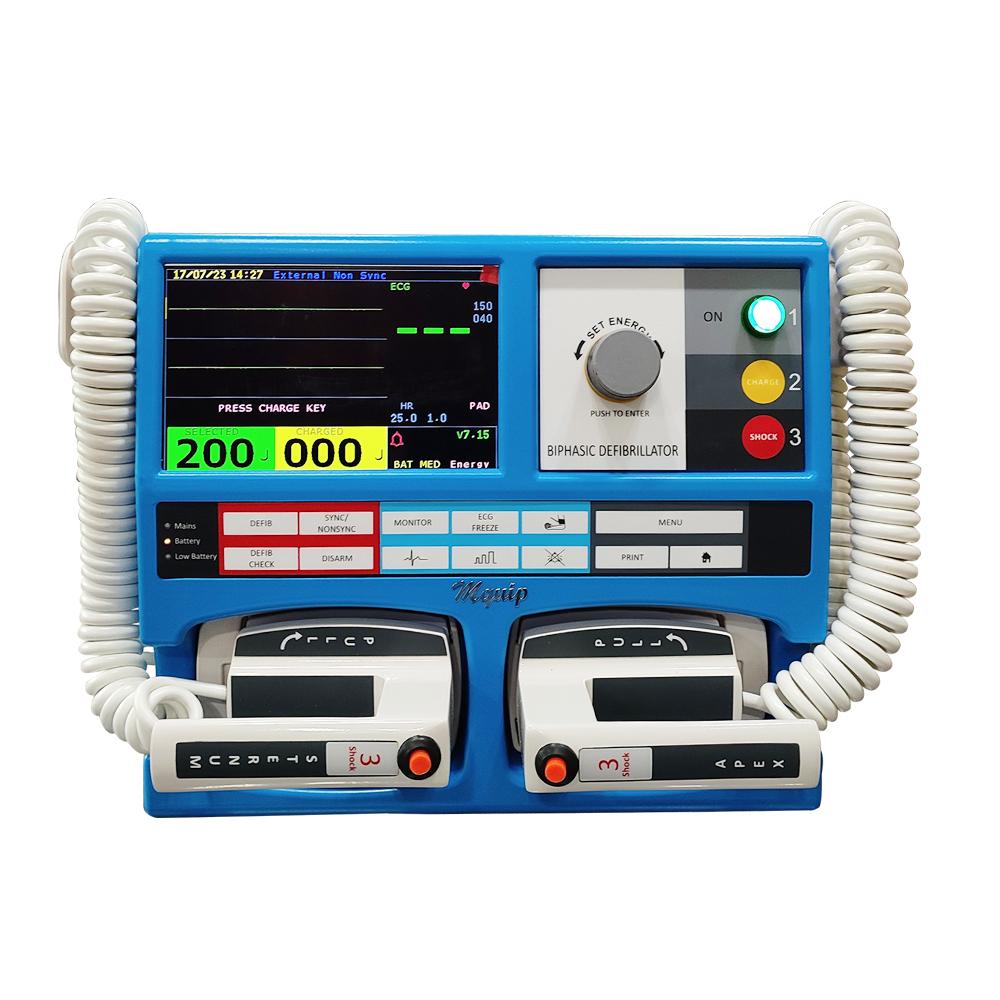
A comprehensive emergency response plan hinges on both the availability of Cardiac Emergency Response Devices and the proper maintenance of their Automated External Defibrillator (AED) Accessories. While the AED itself is the centerpiece, it is rendered useless without compatible, functional pads and batteries. Understanding the relationship between these devices and their accessories is critical for ensuring readiness during a sudden cardiac arrest. The market for defibrillator pads is robust, with automated external defibrillator pads estimated to be worth US$213 million in 2023 and forecasted to reach US$332 million by 2030, underscoring the importance of this accessory segment . For emergency preparedness managers, healthcare purchasers, and safety officers, the detailed report on Cardiac Emergency Response Devices provides essential benchmarking data.
H2: Types of Cardiac Emergency Response Devices
Cardiac Emergency Response Devices are broadly categorized into two types: automated external defibrillators (AEDs) and manual defibrillators . AEDs are designed for use by laypersons and first responders with minimal training. They automatically analyze the heart rhythm and advise whether a shock is needed. Manual defibrillators, typically found in hospitals and ambulances, allow trained professionals like paramedics and doctors to interpret the rhythm and manually select the energy level for the shock.
Both types of devices require specialized defibrillator electrode pads to function. AEDs use self-adhesive pads that are placed on the patient's bare chest in an anterior-lateral position . These pads are crucial for cardiac rhythm analysis and defibrillation . Manual defibrillators can use either paddles or self-adhesive pads. However, guidelines from organizations like the Australian and New Zealand Committee on Resuscitation (ANZCOR) recommend the use of self-adhesive defibrillation pads in preference to paddles, citing advantages in safety and efficacy .
H2: The Importance of AED Accessories
Automated External Defibrillator (AED) Accessories are not optional; they are essential, consumable components. The most critical accessory is the defibrillator electrode pad. These pads have a defined shelf life , typically ranging from 2 to 5 years, after which they must be replaced to ensure reliability . Pads are also specific to the device manufacturer and model, making compatibility a key factor in purchasing .
Other vital Automated External Defibrillator (AED) Accessories include:
-
Batteries: AEDs require specialized, long-life batteries that must be checked regularly and replaced according to the manufacturer's schedule.
-
Carrying Cases: These protect the device and keep all components organized and accessible.
-
Pediatric Pads/Keys: These are essential for treating children under 8 years old or weighing less than 55 lbs (25 kg). They attenuate the shock energy to a safe level for a smaller body.
H2: Ensuring System Readiness
A functional Cardiac Emergency Response Device is only part of the equation. A comprehensive emergency response plan includes a regular maintenance schedule for all Automated External Defibrillator (AED) Accessories . This includes:
-
Visual Inspections: Regularly checking the device and pads for any signs of damage or expiration.
-
Battery Checks: Monitoring the battery status indicator and replacing batteries before they expire.
-
Pad Replacement: Replacing pads before their expiration date and after any use, even if a shock was not delivered.
-
Training: Ensuring that potential responders are trained not only in CPR but also in the correct use of the AED and its accessories .
The cost of pads and their management can be a challenge for some organizations. While the advantages of self-adhesive pads are clear, their disposable nature makes them more expensive than traditional paddles, which is a factor in their adoption . For organizations striving to maintain a state of readiness, the market research available on Automated External Defibrillator Accessories offers comprehensive guidance.

 Arabic
 French
 Spanish
 Portuguese
 Deutsch
 Turkish
 Dutch
Dutch
 Italiano
 Russian
 Romaian
 Portuguese (Brazil)
 Greek
Greek