


Why Installation Planning Matters For Zhida Wall Mount Monitor Arm Setup
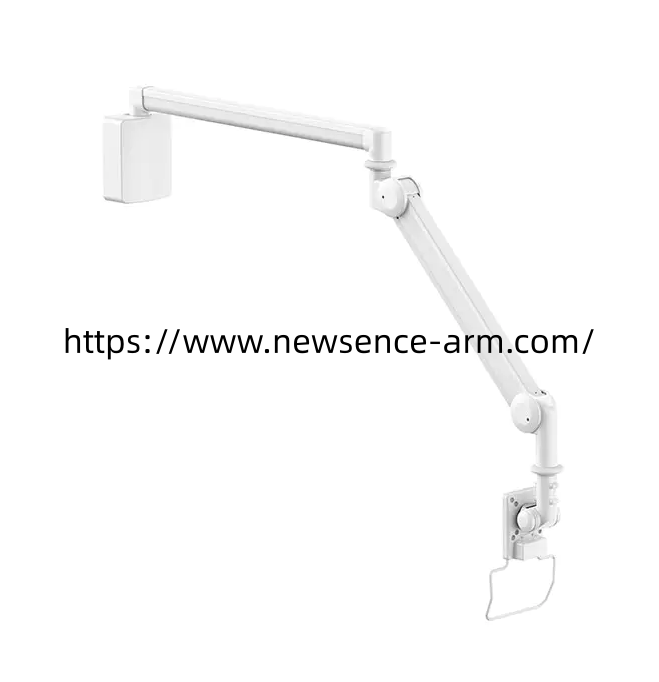
Wall Mount Medical Monitor Arm installation in healthcare environments requires careful preparation to ensure stability, usability, and long term reliability. In hospitals, clinics, and treatment rooms, display positioning plays an important role in supporting daily workflows and improving access to digital information. A well planned installation helps integrate equipment into clinical spaces without disrupting routine activities.
One of the first steps is evaluating the wall structure. Different rooms may use concrete, brick, or reinforced surfaces, and each type requires suitable mounting methods. Understanding the strength and condition of the installation area helps ensure safe and stable support. In some cases, reinforcement may be needed depending on equipment load and usage frequency.
Placement planning is also essential. Screens are often used during patient consultation, data review, and operational monitoring. Positioning should allow comfortable viewing from different working positions. Proper alignment helps reduce unnecessary movement and supports smoother task execution in busy environments.
Cable management is another important factor. Clean routing helps reduce clutter and supports hygiene standards commonly required in healthcare settings. Planning cable paths before installation helps maintain an organized workspace and prevents interference with other devices in the room.
Space efficiency is a key consideration in many clinical environments. Rooms often contain multiple devices, storage units, and patient care equipment. Efficient positioning of display systems helps maximize available space while maintaining easy access to essential information and tools.
Safety must always be prioritized. Equipment should be securely fixed to ensure stability during daily use. Proper installation methods help distribute weight evenly and reduce the risk of movement or misalignment. Regular inspection can also help maintain safe operation over time.
As a manufacturer focused on workspace solutions, Zhida understands that different departments have different requirements. Some environments require quick access to information, while others focus on detailed visualization or communication between staff and patients. Because of these differences, installation planning should be adjusted according to specific workflow needs.
Adjustability is another important aspect. Healthcare environments often change over time due to equipment upgrades or room redesigns. Systems that allow repositioning can help extend usability and reduce the need for major modifications in the future.
User interaction patterns should also be considered. In some cases, multiple staff members may need to view the screen at the same time, while in others, usage is more individual. Understanding these patterns helps determine the most suitable positioning and movement range.
Maintenance accessibility is also important. Equipment should be installed in a way that allows for easy cleaning, inspection, and servicing. This supports routine maintenance procedures commonly required in professional environments.
Overall, successful installation depends on a combination of structural evaluation, workflow understanding, and space planning. When these factors are considered together, healthcare rooms can achieve a more organized and functional display setup.
Zhida continues to develop solutions designed for practical workspace needs, focusing on adaptable installation and reliable support systems.More information can be found at https://www.newsence-arm.com/

 English
 Arabic
 French
 Portuguese
 Deutsch
 Turkish
 Dutch
Dutch
 Italiano
 Russian
 Romaian
 Portuguese (Brazil)
 Greek
Greek