


How to Design Essential Safety Signage for Hazard-Free Work Environments
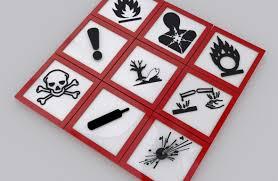
How to Design Essential Safety Signage for Hazard-Free Work Environments
In many workplaces, accidents do not always happen because of a lack of equipment or skills. Often, they occur because important warnings and instructions are not clearly communicated. A worker may unknowingly step into a restricted zone, ignore a chemical warning, or miss an evacuation route simply because the signage was unclear or poorly placed. This is where effective safety signage becomes a silent but powerful protector of lives.
In professional environments, especially those dealing with construction, manufacturing, oil and gas, or logistics, clear visual communication is essential. Many safety professionals who pursue qualifications such as NEBOSH in Multan often learn early on that signage is not just decoration on walls. It is a structured system of hazard communication that directly influences behavior, compliance, and emergency response.
Designing effective safety signage is not about adding more boards or colors. It is about ensuring that every symbol, color, and placement decision serves a specific safety purpose. When done correctly, it reduces confusion, prevents incidents, and supports a safer work culture.
Why Safety Signage Matters in Modern Workplaces?
Safety signage plays a critical role in preventing accidents before they occur. In fast-paced environments, workers do not always have time to read detailed instructions. Instead, they rely on quick visual cues to make decisions.
For example, a red sign near machinery immediately signals danger or prohibition. A green sign near exits indicates safe evacuation routes. Without these visual cues, even trained workers can make mistakes under pressure.
Another important aspect is consistency. When signage follows universal standards, workers can move between different sites or industries without confusion. This is especially important in global industries where teams may come from different backgrounds and language groups.
Poor signage, on the other hand, creates hesitation. And in safety-critical environments, hesitation can lead to serious consequences. That is why organizations invest in structured safety systems where signage is treated as an essential layer of risk control rather than an afterthought.
Types of Safety Signage Used in Work Environments
Understanding different types of safety signs is the first step toward effective design. Each category serves a distinct purpose in guiding behavior and reducing risk.
1. Prohibition Signs
These signs indicate actions that are not allowed. They are usually circular with a red border and a diagonal line. For example, “No Smoking” or “No Entry” signs help prevent unsafe behavior in restricted areas.
2. Warning Signs
Warning signs alert workers to potential hazards such as chemical exposure, electrical risks, or heavy machinery zones. These signs are typically triangular and use yellow backgrounds to attract attention.
3. Mandatory Signs
Mandatory signs indicate actions that must be followed. For instance, wearing helmets, gloves, or protective eyewear. These signs are usually blue and help enforce compliance with safety protocols.
4. Emergency Information Signs
These signs guide workers during emergencies. They include exit routes, first aid stations, and fire extinguisher locations. Green is commonly used to represent safe conditions and evacuation paths.
5. Fire Safety Signs
Fire-related signage shows equipment like alarms, extinguishers, and hose reels. These are critical in ensuring quick response during fire incidents.
Each type of signage works together as part of a visual safety language that reduces ambiguity and improves response time.
Principles of Effective Safety Signage Design
Designing safety signage is not just about choosing colors and symbols. It requires careful planning based on human behavior, visibility, and workplace conditions.
1. Clarity and Simplicity
A safety sign must be understood within seconds. Overloaded text or complex symbols reduce effectiveness. The best signs communicate one clear message at a time.
2. Visibility and Placement
Even the best-designed sign is useless if it is not visible. Signs should be placed at eye level, near hazards, and along natural lines of sight. Lighting conditions should also be considered, especially in low-visibility areas.
3. Standardization
Using internationally recognized symbols ensures that workers from different backgrounds understand the message. This reduces dependency on language and improves universal safety communication.
4. Durability
Work environments can be harsh. Dust, heat, moisture, and chemicals can damage signage. Materials should be chosen based on environmental conditions to maintain long-term visibility.
5. Contrast and Color Psychology
Colors are not random in safety signage. Red indicates danger, yellow signals caution, blue represents mandatory actions, and green indicates safety. Proper contrast ensures readability from a distance.
When these principles are followed, signage becomes a reliable safety tool rather than just a visual requirement.
Mistakes in Safety Signage Design
Even well-intentioned safety systems can fail due to simple design errors. Some of the most common mistakes include:
-
Overcrowding signs in one area, causing visual confusion
-
Using inconsistent symbols across different locations
-
Placing signs too high or too low for visibility
-
Ignoring lighting conditions in indoor or outdoor environments
-
Failing to update outdated signage after workplace changes
In many cases, these issues are not noticed until an incident occurs. Regular audits and inspections help ensure signage remains effective and relevant.
A practical example can be seen in warehouses where storage layouts change frequently. If signage is not updated accordingly, workers may follow outdated instructions, leading to unsafe navigation or material handling errors.
Step-by-Step Guide to Designing Effective Safety Signage
Creating effective signage requires a structured approach. Below is a practical guide used in professional safety planning.
Step 1: Conduct a Hazard Assessment
Identify all potential risks in the workplace. This includes physical, chemical, electrical, and environmental hazards.
Step 2: Define Communication Needs
Determine what information workers need to know instantly. This could include warnings, instructions, or emergency directions.
Step 3: Select Appropriate Sign Types
Choose between prohibition, warning, mandatory, emergency, or fire safety signs based on identified hazards.
Step 4: Design for Visibility
Ensure correct color usage, contrast, and font size. Consider distance and lighting conditions.
Step 5: Place Strategically
Install signage where it is most needed, not just where space is available. Entry points, machinery zones, and escape routes are key areas.
Step 6: Test and Review
Observe how workers interact with signage. Gather feedback and make improvements where necessary.
This process ensures that signage is not only compliant but also practical and effective in real-world conditions.
Role of Safety Awareness and Professional Training
While good design is essential, understanding safety principles behind signage is equally important. This is where professional safety education plays a key role. Structured learning helps individuals understand hazard communication, legal requirements, and workplace safety systems in depth.
Professionals who pursue safety qualifications develop the ability to evaluate workplace risks more effectively and design communication systems that actually influence behavior. This knowledge is especially valuable in industries where safety standards are strictly regulated and continuously evolving.
Training also helps bridge the gap between theory and practice. Learners are exposed to real-life scenarios, case studies, and risk assessments that strengthen their decision-making skills in workplace environments.
In this context, many learners explore internationally recognized safety programs such as the NEBOSH safety course in Multan, which helps them build a strong foundation in occupational health and safety principles, including hazard communication and signage systems.
FAQs
What is the main purpose of safety signage in workplaces?
The main purpose is to communicate hazards, instructions, and emergency information quickly and clearly to prevent accidents.
Why are colors important in safety signs?
Colors help people understand messages instantly. For example, red indicates danger, yellow shows caution, and green signals safety.
Where should safety signs be placed?
They should be placed at eye level, near hazards, entry points, and along evacuation routes for maximum visibility.
How often should safety signage be reviewed?
It should be reviewed regularly, especially after workplace changes, new equipment installation, or layout modifications.
Can poor signage really cause accidents?
Yes, unclear or missing signage can lead to confusion, unsafe actions, and delayed emergency responses.
Conclusion
Effective safety signage is a fundamental part of workplace risk management. It ensures that information is communicated instantly, clearly, and universally understood. From selecting the right colors to placing signs in strategic locations, every detail plays a role in preventing accidents and improving safety awareness.
When organizations invest time in designing proper signage systems, they create environments where workers can make safer decisions without hesitation. Ultimately, safety signage is not just about compliance, it is about protecting human lives through clear communication and thoughtful design.

 English
 Arabic
 French
 Spanish
 Portuguese
 Deutsch
 Dutch
Dutch
 Italiano
 Russian
 Romaian
 Portuguese (Brazil)
 Greek
Greek