


0 Comments
0 Shares
42 Views
0 Reviews

Directory
Discover new people, create new connections and make new friends
-
-
Diabetic Retinopathy: All you need to know
1. Blurry Vision in Diabetics
High blood sugar reduces blood flow to the small capillaries of the eye, causing swelling and distortion of the eye lens. This results in blurry vision. Before changing your glasses, get your BSL checked.
2. Eye Cataract
Eye Cataract are cloudy growths that can be seen on the internal lens of the eye. When cataracts form, they function just like dirty windows, compromising your ability to see clearly through them. When your lens of the eye is cloudy, it is harder for your eye to focus properly. Cataract symptoms include blurring of vision and glare.
3. Glaucoma
When high blood sugar starts damaging the small blood vessels of the eye, it causes pressure to build up inside the eye. As a result, the fluid is not drained out properly and it results in nerve damage and further blood vessel damage and begins to affect vision.
4. Diabetic Retinopathy
With high blood sugar comes the danger of damage to the retina. The retina consists of cells located at the back of your eye. These cells use light to perceive objects as images, which it sends to the brain via the optic nerve, in the form of nerve signals.Types of diabetic retinopathy
Other types of diabetic retinopathy:
Background retinopathy. Here, although there is damage to the blood vessels, your visibility might still be relatively ok, but the damage will get worse if your BSL is not properly managed.
1. Diabetic Maculopathy
The macula in the retina is responsible for vision needed for activities like reading, driving, etc. High BSL can cause it to swell. If this happens it can seriously compromise your eyesight. However, this swelling can be reversed unless it has progressed to greater severity. If more serious it may require surgery and is hard to treat properly.
2. Diabetic Proliferative Retinopathy
When the cells located at the rear of your eye get insufficient oxygen, new blood vessels become fragile. If these bleed they lead to clots that cause scars and pull the retina out of its position at the back of your eye. Should the retina get detached, it will lead to vision loss that cannot be fixed easily.
Browse full blog-
https://www.freedomfromdiabetes.org/blog/post/Diabetic%20Retinopathy:%20All%20you%20need%20to%20know%20%7C%20FFD/2631
Contact us :-
Mob : +91-7776077760
Email-Id : info@freedomfromdiabetes.org
Also connect with us on our website , Facebook page, and youtube
Diabetic Retinopathy: All you need to know 1. Blurry Vision in Diabetics High blood sugar reduces blood flow to the small capillaries of the eye, causing swelling and distortion of the eye lens. This results in blurry vision. Before changing your glasses, get your BSL checked. 2. Eye Cataract Eye Cataract are cloudy growths that can be seen on the internal lens of the eye. When cataracts form, they function just like dirty windows, compromising your ability to see clearly through them. When your lens of the eye is cloudy, it is harder for your eye to focus properly. Cataract symptoms include blurring of vision and glare. 3. Glaucoma When high blood sugar starts damaging the small blood vessels of the eye, it causes pressure to build up inside the eye. As a result, the fluid is not drained out properly and it results in nerve damage and further blood vessel damage and begins to affect vision. 4. Diabetic Retinopathy With high blood sugar comes the danger of damage to the retina. The retina consists of cells located at the back of your eye. These cells use light to perceive objects as images, which it sends to the brain via the optic nerve, in the form of nerve signals.Types of diabetic retinopathy Other types of diabetic retinopathy: Background retinopathy. Here, although there is damage to the blood vessels, your visibility might still be relatively ok, but the damage will get worse if your BSL is not properly managed. 1. Diabetic Maculopathy The macula in the retina is responsible for vision needed for activities like reading, driving, etc. High BSL can cause it to swell. If this happens it can seriously compromise your eyesight. However, this swelling can be reversed unless it has progressed to greater severity. If more serious it may require surgery and is hard to treat properly. 2. Diabetic Proliferative Retinopathy When the cells located at the rear of your eye get insufficient oxygen, new blood vessels become fragile. If these bleed they lead to clots that cause scars and pull the retina out of its position at the back of your eye. Should the retina get detached, it will lead to vision loss that cannot be fixed easily. Browse full blog- https://www.freedomfromdiabetes.org/blog/post/Diabetic%20Retinopathy:%20All%20you%20need%20to%20know%20%7C%20FFD/2631 Contact us :- Mob : +91-7776077760 Email-Id : info@freedomfromdiabetes.org Also connect with us on our website , Facebook page, and youtube0 Comments 0 Shares 166 Views 0 Reviews -
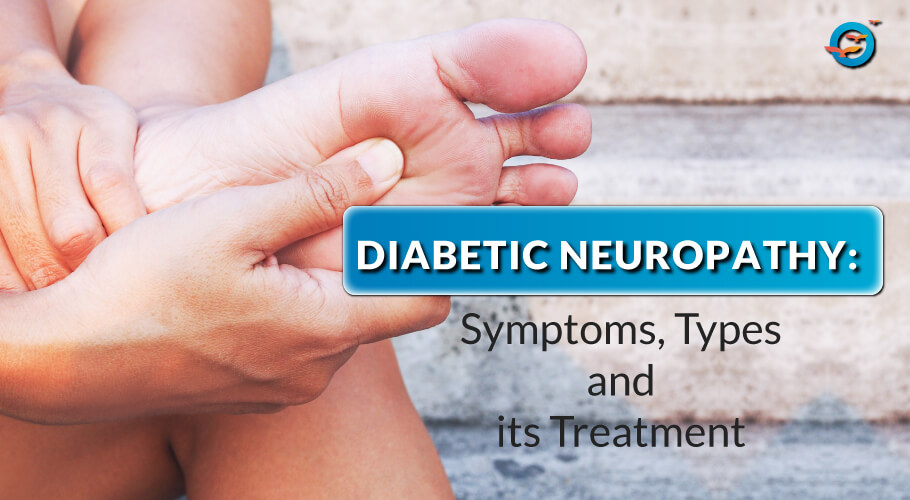
Diabetic Neuropathy: Things you Should Know
What Is Diabetic Neuropathy?
Sustained, untreated high blood sugar levels can damage almost every organ in the body, and the nerves are among the most sensitive. Damage to the nerves, or diabetic neuropathy, starts with the nerves of your lower extremities.
Symptoms include pins and needles, burning sensation, pain and numbness in the legs and feet, as well as problems with the digestive system, urinary tract, heart, and overall blood circulation.
What are the types of diabetic neuropathy?
There are different types of diabetic neuropathy, and each one brings a different set of symptoms and challenges. To further complicate matters, diabetics can suffer from two or more types of diabetic neuropathy.
1. what is peripheral neuropathy?
Peripheral Neuropathy is also known as distal symmetric peripheral neuropathy, is the most commonly seen diabetic neuropathy.
It starts by affecting feet and legs, progressing to hands and arms. Sufferers report symptoms being worse at night.
2. Diabetic Autonomic Neuropathy
The body has an involuntary or diabetic autonomic nervous system that is responsible for controlling organs like the heart, bladder, stomach, intestines, reproductive organs, and eyes.
3. Proximal neuropathy (diabetic polyradiculopathy)
Proximal Neuropathy also called diabetic amyotrophy, generally affects nerves in the leg—thighs, hips, buttocks, legs. But it can also affect organs in the abdomen and chest cavity.
4. Diabetic Mononeuropathy (focal neuropathy)
Diabetic Mononeuropathy Mono means ‘one’ and that’s what this type of neuropathy indicates—damage to a specific nerve.
Browse full blog-
https://www.freedomfromdiabetes.org/blog/post/diabetic-neuropathy/2630
Contact us:-
Mob : +91-7776077760
Email-Id : info@freedomfromdiabetes.org
Also connect with us on our website , Facebook page, and youtube
Diabetic Neuropathy: Things you Should Know What Is Diabetic Neuropathy? Sustained, untreated high blood sugar levels can damage almost every organ in the body, and the nerves are among the most sensitive. Damage to the nerves, or diabetic neuropathy, starts with the nerves of your lower extremities. Symptoms include pins and needles, burning sensation, pain and numbness in the legs and feet, as well as problems with the digestive system, urinary tract, heart, and overall blood circulation. What are the types of diabetic neuropathy? There are different types of diabetic neuropathy, and each one brings a different set of symptoms and challenges. To further complicate matters, diabetics can suffer from two or more types of diabetic neuropathy. 1. what is peripheral neuropathy? Peripheral Neuropathy is also known as distal symmetric peripheral neuropathy, is the most commonly seen diabetic neuropathy. It starts by affecting feet and legs, progressing to hands and arms. Sufferers report symptoms being worse at night. 2. Diabetic Autonomic Neuropathy The body has an involuntary or diabetic autonomic nervous system that is responsible for controlling organs like the heart, bladder, stomach, intestines, reproductive organs, and eyes. 3. Proximal neuropathy (diabetic polyradiculopathy) Proximal Neuropathy also called diabetic amyotrophy, generally affects nerves in the leg—thighs, hips, buttocks, legs. But it can also affect organs in the abdomen and chest cavity. 4. Diabetic Mononeuropathy (focal neuropathy) Diabetic Mononeuropathy Mono means ‘one’ and that’s what this type of neuropathy indicates—damage to a specific nerve. Browse full blog- https://www.freedomfromdiabetes.org/blog/post/diabetic-neuropathy/2630 Contact us:- Mob : +91-7776077760 Email-Id : info@freedomfromdiabetes.org Also connect with us on our website , Facebook page, and youtube0 Comments 0 Shares 192 Views 0 Reviews




 Arabic
 French
 Spanish
 Portuguese
 Deutsch
 Turkish
 Dutch
Dutch
 Italiano
 Russian
 Romaian
 Portuguese (Brazil)
 Greek
Greek